
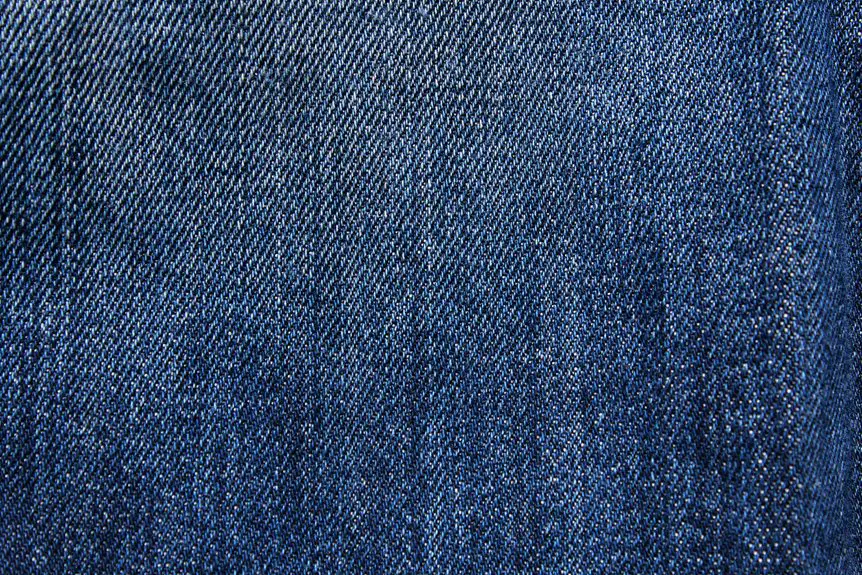
You’ll find Tetron fabric blends polyester and cotton, giving you durable, wrinkle-resistant, and breathable textiles. Its manufacturing process guarantees quality by carefully spinning and weaving strong yarns. Using Tetron means you get long-lasting, colorfast, and easy-care garments perfect for apparel, home textiles, and sportswear. You can wash them easily without shrinking or fading. If you want to understand how Tetron fits into the textile world and why it’s so popular, there’s more to explore.
Key Takeaways
- Tetron fabric blends polyester and cotton fibers, combining durability, wrinkle resistance, and breathability for versatile textile applications.
- Its manufacturing involves precise fiber selection, blending, spinning, and weaving to ensure consistent quality and strength.
- Tetron offers advantages like long-lasting durability, easy maintenance, color retention, lightweight comfort, and cost-effectiveness.
- Commonly used in apparel, home textiles, industrial workwear, and sportswear due to moisture-wicking and quick-drying properties.
- Care involves machine washing with mild settings, avoiding bleach, low heat drying, and minimal ironing to maintain fabric quality.
Composition and Properties of Tetron Fabric
Tetron fabric combines polyester and cotton fibers to offer durability and comfort. When you choose Tetron, you get the best of both worlds: the strength and wrinkle resistance of polyester, along with the breathability and softness of cotton.
Tetron fabric blends polyester’s strength with cotton’s softness for durable, comfortable wear.
This blend makes the fabric ideal for everyday wear and industrial use. You’ll notice that Tetron resists shrinking and fading, so your garments maintain their shape and color through multiple washes.
Its moisture-wicking properties keep you dry, making it suitable for warm climates. The fabric also dries quickly, reducing downtime between uses.
Plus, Tetron’s smooth texture feels comfortable against your skin. Overall, its balanced composition guarantees you enjoy long-lasting, easy-care textiles without compromising comfort or appearance.
Manufacturing Process of Tetron Fabric
Although blending polyester and cotton fibers might seem straightforward, the manufacturing process of Tetron fabric involves several precise steps to guarantee quality and performance.
First, both fibers are carefully selected and cleaned to remove impurities. Then, they’re blended in a specific ratio to balance comfort and durability.
Next, the mixed fibers undergo spinning to create yarns with consistent strength. Finally, these yarns are woven or knitted into fabric using advanced machinery to secure uniform texture and appearance.
Here’s a quick rundown of the key steps:
- Fiber selection and cleaning
- Blending fibers in precise ratios
- Spinning blended fibers into yarn
- Weaving or knitting yarn into fabric
Each step plays a vital role in producing high-quality Tetron fabric you can rely on.
Advantages of Using Tetron in Textiles
Once the fabric is crafted through precise manufacturing steps, you can truly appreciate the benefits it offers. Tetron stands out for its durability, ease of care, and vibrant color retention. It resists wrinkles and shrinks less than natural fibers, making maintenance simple. Plus, its lightweight nature guarantees comfort without sacrificing strength.
| Advantage | Benefit | Impact on Textile Use |
|---|---|---|
| Durability | Long-lasting fabric | Reduces replacement frequency |
| Easy Maintenance | Wrinkle and shrink resistant | Saves time and effort |
| Color Retention | Holds vibrant colors | Keeps textiles looking new |
| Lightweight | Comfortable to wear | Enhances user experience |
| Cost-Effective | Affordable production | Accessible for various markets |
Common Applications of Tetron Fabric
When you choose fabrics for different purposes, you’ll find that Tetron fits a wide range of applications thanks to its strength and versatility.
Its durability and wrinkle resistance make it a popular choice across various industries. Here are some common uses you’ll encounter:
- Apparel: Ideal for uniforms, shirts, and dresses due to its comfort and easy care.
- Home Textiles: Widely used in curtains, upholstery, and bed linens for long-lasting elegance.
- Industrial Uses: Employed in protective clothing and workwear because of its toughness.
- Sportswear: Preferred for activewear thanks to its moisture-wicking and quick-drying properties.
Care and Maintenance of Tetron Garments
Since Tetron fabric combines durability with ease of care, maintaining your garments is straightforward.
You can machine wash Tetron clothes using cold or warm water without worrying about shrinking or losing shape. Avoid using bleach, as it can weaken the fibers.
For drying, opt for low heat settings or air dry to preserve the fabric’s integrity. Ironing isn’t usually necessary thanks to Tetron’s wrinkle-resistant properties, but if you do, use a low-temperature setting.
When storing, keep your garments in a cool, dry place to prevent any potential damage.
Environmental Impact and Sustainability Considerations
Taking good care of your Tetron garments not only extends their lifespan but also ties into their environmental impact.
Tetron, being a polyester blend, involves synthetic fibers derived from petrochemicals, which affect sustainability. However, you can reduce your footprint by focusing on eco-friendly practices.
Consider these key sustainability points:
- Choose Tetron products made with recycled fibers to lower resource use.
- Wash your Tetron clothes in cold water to save energy.
- Avoid overbuying; quality Tetron lasts longer, reducing waste.
- Support brands that implement responsible manufacturing processes.
Frequently Asked Questions
How Did Tetron Fabric Get Its Name?
You’ll find that Tetron fabric got its name by combining “tetra,” meaning four, with “ron,” a common suffix in synthetic fibers. This reflects its polyester content and four-part chemical structure.
Which Countries Are the Largest Producers of Tetron Fabric?
Did you know India produces over 30% of the world’s Tetron fabric? You’ll find the largest producers include India, China, and South Korea—they dominate Tetron manufacturing thanks to advanced technology and vast textile industries.
What Are the Historical Milestones in Tetron Fabric Development?
You’ll find that Tetron fabric’s development started in the 1950s with DuPont’s invention of polyester. Over time, improvements in durability and blending techniques made it a staple in textiles worldwide.
How Does Tetron Fabric Compare Cost-Wise to Other Textiles?
You won’t believe how Tetron fabric often costs less than gold—okay, almost! Compared to natural fibers, it’s way more affordable and durable, so you’ll save money without sacrificing quality or style in your textile choices.
Are There Any Fashion Designers Known for Using Tetron Fabric?
You won’t find many famous designers exclusively using Tetron fabric, but some eco-conscious brands incorporate it for durability and affordability. If you explore sustainable fashion, you’ll spot Tetron blends in various collections.