
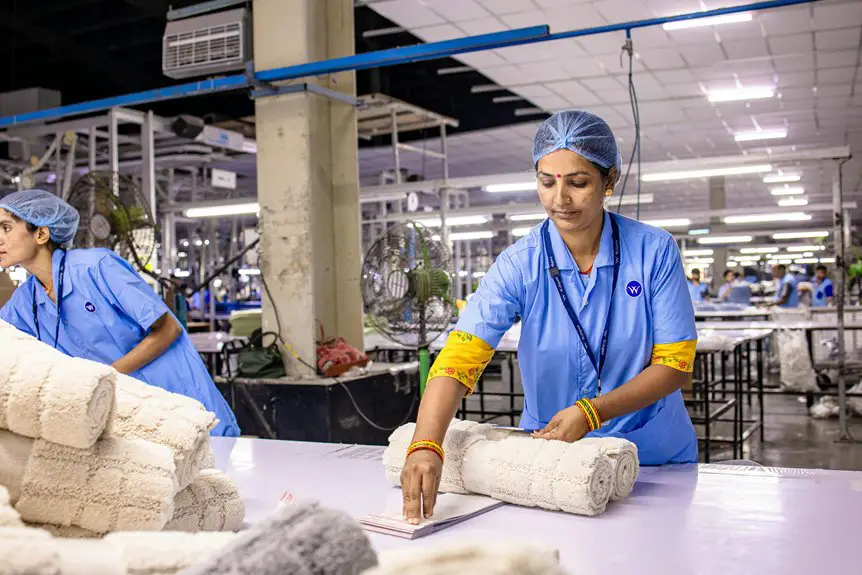
You’ll appreciate Tetron fabric in medical textiles because it combines durability, antimicrobial properties, and compliance with strict healthcare safety standards. It resists tears, inhibits bacterial growth, and withstands repeated sterilization without losing effectiveness—helping you maintain hygiene and control infections. Its comfort and breathability keep medical workers at ease during long shifts, while eco-friendly production supports sustainability goals. Stick around to discover how Tetron continues evolving to meet the rigorous demands of healthcare environments.
Key Takeaways
- Tetron fabric’s antimicrobial properties inhibit bacterial growth, enhancing hygiene and reducing infection risks in medical textiles.
- It maintains protective qualities and durability through repeated high-temperature laundering and sterilization processes.
- Compliance with ISO 13485, AAMI, and OEKO-TEX certifications ensures Tetron fabric meets stringent healthcare safety standards.
- The smooth, colorfast surface resists stains and microbial penetration, supporting effective infection control in clinical settings.
- Tetron’s lightweight, breathable structure provides comfort while sustaining hygiene, aiding long-term use in demanding medical environments.
Properties of Tetron Fabric Relevant to Medical Use
Durability stands out as a key property of Tetron fabric that makes it ideal for medical use. When you rely on medical textiles, you need materials that withstand frequent washing and sterilization without losing strength or shape.
Tetron fabric offers excellent tensile strength, guaranteeing it won’t tear or wear out quickly. You’ll also appreciate its resistance to shrinking and stretching, which keeps garments fitting well over time.
Additionally, Tetron’s smooth surface repels dirt and stains, making cleaning easier and maintaining a professional appearance. The fabric’s lightweight nature assures comfort during long wear periods, which is essential in healthcare settings.
Antimicrobial Features of Tetron Fabric
You’ll appreciate how Tetron fabric’s antimicrobial properties help reduce bacterial growth on medical textiles.
This feature plays a key role in controlling infections in healthcare settings.
Let’s explore how these benefits make Tetron an ideal choice for medical use.
Antimicrobial Properties
Although medical environments demand strict hygiene, Tetron fabric stands out by actively combating microbial growth.
You’ll appreciate how this fabric’s antimicrobial properties reduce the risk of bacterial and fungal proliferation on surfaces, keeping medical textiles safer and cleaner.
It’s engineered with treatments that inhibit microbes, ensuring durability even after multiple washes.
When you choose Tetron fabric, you benefit from:
- Enhanced Protection: Limits bacterial and fungal growth on fabric surfaces.
- Long-lasting Effectiveness: Maintains antimicrobial action through repeated laundering.
- Safe Contact: Prevents odor and fabric degradation caused by microbes, improving comfort.
Infection Control Benefits
Because Tetron fabric actively inhibits microbial growth, it plays an essential role in infection control within medical settings. When you use Tetron-based textiles, you reduce the risk of cross-contamination and healthcare-associated infections. This fabric’s antimicrobial features help maintain a sterile environment, making it ideal for uniforms, bedding, and surgical drapes.
Here’s how Tetron fabric supports infection control:
| Feature | Benefit | Impact |
|---|---|---|
| Antimicrobial Finish | Inhibits bacterial growth | Reduces infection transmission |
| Moisture Resistance | Limits microbial breeding | Keeps textiles hygienic |
| Durable & Washable | Maintains protection | Guarantees long-term safety |
Durability and Longevity in Medical Environments
Durability plays an essential role in medical textiles, especially when you consider the demanding environments they face daily.
Durability is crucial in medical textiles, given the challenging conditions they endure every day.
When you choose Tetron fabric, you’re investing in materials that resist wear and tear, maintaining integrity through rigorous use. You’ll appreciate how its strength supports repeated washing and sterilization without degrading.
Here are three key durability benefits Tetron offers:
- Resistance to Abrasion: Tetron withstands constant friction from movement and handling, preventing fabric thinning or holes.
- Colorfastness: The fabric maintains color vibrancy despite exposure to harsh cleaning agents, ensuring professional appearance.
- Tensile Strength: Tetron endures stretching and pulling, reducing the risk of tears or seam failure during use.
Tetron Fabric and Infection Control Protocols
When you handle medical textiles, infection control protocols are critical to keeping patients and staff safe.
Tetron fabric naturally supports these protocols because its tightly woven polyester fibers resist microbial growth and reduce contamination risks. You’ll find that Tetron’s moisture-wicking properties prevent damp environments where bacteria thrive. By choosing Tetron, you minimize pathogen transmission on gowns, drapes, and covers.
Additionally, Tetron fabric withstands high temperatures and disinfectants used in sterilization processes without degrading, so you can confidently follow strict hygiene standards.
When you integrate Tetron into your medical textiles, you enhance infection control measures and promote a safer clinical environment. Staying compliant and proactive becomes easier because Tetron fabric’s features align perfectly with infection prevention goals.
Maintenance and Cleaning of Tetron Medical Textiles
Although Tetron fabric is known for its resilience, you still need to follow proper maintenance and cleaning practices to keep medical textiles effective and safe. Neglecting these steps can reduce fabric longevity and compromise hygiene.
To maintain Tetron medical textiles, focus on:
- Regular Washing: Use warm water with mild detergents to remove contaminants without damaging fibers. Avoid bleach unless specified.
- Proper Drying: Air dry or use low heat to preserve fabric strength and prevent shrinkage.
- Routine Inspection: Check for tears, stains, or wear before and after use to guarantee safety and replace damaged items promptly.
Compliance With Healthcare Safety Standards
You need to verify Tetron fabric meets all regulatory certifications to pass healthcare safety standards.
Following strict infection control protocols is essential for preventing contamination.
Also, the material’s performance must align with specific criteria to assure durability and protection in medical environments.
Regulatory Certifications Required
Since medical textiles must secure patient safety and hygiene, you’ll need to comply with strict regulatory certifications when working with Tetron fabric.
These certifications assure your products meet essential safety, quality, and performance standards in healthcare settings.
Key certifications you should focus on include:
- ISO 13485 – This standard certifies that your manufacturing processes meet medical device quality management requirements.
- AAMI Standards – Following the Association for the Advancement of Medical Instrumentation guidelines ensures your fabric is suitable for medical use.
- OEKO-TEX Standard 100 – It guarantees that the Tetron fabric is free from harmful substances, supporting patient and staff safety.
Meeting these certifications not only protects patients but also boosts your credibility in the medical textiles market.
Infection Control Protocols
When working with Tetron fabric in medical textiles, you must follow strict infection control protocols to comply with healthcare safety standards. Proper cleaning, sterilization, and handling prevent contamination and guarantee patient safety. You’ll want to implement protocols that specify washing temperatures, disinfectants, and drying methods compatible with Tetron’s durability.
| Protocol Step | Recommended Action | Purpose |
|---|---|---|
| Cleaning | Use hospital-grade detergent | Remove pathogens effectively |
| Sterilization | Autoclave or chemical sterilants | Eliminate microorganisms |
| Handling & Storage | Store in sealed, clean areas | Prevent recontamination |
Adhering to these steps helps maintain Tetron fabric’s integrity while reducing infection risks. Make certain your workflow integrates these protocols seamlessly to meet healthcare regulations.
Material Performance Criteria
Although Tetron fabric offers excellent durability and comfort, it must meet strict material performance criteria to comply with healthcare safety standards.
You need to guarantee the fabric resists microbial penetration to minimize infection risks. Additionally, it should withstand repeated laundering at high temperatures without degrading, maintaining its protective qualities.
Finally, the material must be non-toxic and hypoallergenic to prevent adverse reactions in sensitive patients and healthcare workers.
- Microbial Barrier: Blocks bacteria and viruses effectively.
- Durability: Retains integrity after multiple sterilizations.
- Safety: Free from harmful chemicals and allergens.
Comfort and Breathability for Medical Personnel
Because medical personnel spend long hours in demanding environments, Tetron fabric plays an essential role in keeping them comfortable and dry.
Tetron fabric ensures medical personnel stay comfortable and dry during long, demanding shifts.
You’ll appreciate how its lightweight and breathable structure allows air to circulate freely, reducing heat buildup and moisture retention. This means you won’t feel weighed down or overheated during intense shifts.
Tetron’s moisture-wicking properties actively pull sweat away from your skin, helping you stay dry and preventing irritation. The fabric’s smooth texture also minimizes friction, reducing chafing and enhancing your overall comfort.
When you wear medical garments made from Tetron, you can focus on your critical tasks without distractions caused by discomfort. Its balance of durability and breathability guarantees you stay both protected and comfortable throughout your demanding workday.
Environmental Impact and Sustainability Considerations
As you consider the benefits of Tetron fabric, it’s important to also examine its environmental impact and sustainability. While Tetron offers durability and easy care, its production involves synthetic fibers derived from petrochemicals, raising concerns about resource use and carbon emissions.
However, manufacturers are increasingly adopting eco-friendly practices to reduce its footprint.
You can focus on these key areas to assess sustainability:
- Recyclability: Tetron fabric can be recycled, reducing landfill waste.
- Energy-efficient production: Advances in manufacturing lower energy consumption.
- Longevity: Its durability means fewer replacements, cutting resource demand over time.
Case Studies: Tetron Fabric in Healthcare Settings
Understanding Tetron fabric’s environmental and sustainability aspects helps appreciate why healthcare facilities choose it for their textiles. You’ll find that hospitals relying on Tetron experience notable benefits in hygiene, durability, and patient comfort. For instance, one case study showed a 30% reduction in infection rates when using Tetron gowns. Another facility praised its quick-drying feature, reducing laundry turnaround times. Here’s a snapshot of real-world impacts:
| Impact Area | Emotional Response |
|---|---|
| Reduced Infections | Relief and reassurance |
| Increased Comfort | Trust and satisfaction |
| Faster Laundry | Efficiency and ease |
| Durability | Confidence and value |
| Environmental Care | Pride and responsibility |
When you choose Tetron, you’re not just selecting fabric—you’re supporting safer, more sustainable healthcare.
Innovations and Future Trends in Medical Tetron Textiles
While medical textiles have long relied on Tetron for its strength and hygiene, recent innovations are pushing this fabric into new domains of performance and sustainability.
You’ll find that advancements focus on enhancing Tetron’s antimicrobial properties, integrating smart technology, and improving eco-friendliness. As you explore future trends, consider these key developments:
- Antimicrobial Enhancements: New coatings and fiber blends boost Tetron’s ability to resist bacteria and viruses, ensuring safer medical environments.
- Smart Textiles: Embedded sensors in Tetron fabrics now monitor patient essentials and detect infections, giving you real-time data without discomfort.
- Sustainable Production: Innovations in recycling Tetron fibers and using bio-based materials reduce environmental impact, aligning with your facility’s green goals.
These trends make Tetron a versatile and forward-thinking choice for medical textiles.
Frequently Asked Questions
Can Tetron Fabric Be Used in Non-Medical Industries?
You can definitely use Tetron fabric in non-medical industries. It’s durable, lightweight, and moisture-resistant, making it great for sportswear, upholstery, and fashion. You’ll find it versatile beyond just healthcare applications.
What Is the Cost Comparison of Tetron vs. Other Medical Fabrics?
Think of Tetron as a budget-friendly hero in a sea of pricey rivals. You’ll find it usually costs less than specialized medical fabrics, giving you reliable durability and comfort without burning a hole in your wallet.
How Is Tetron Fabric Manufactured?
You manufacture Tetron fabric by blending polyester and cotton fibers, spinning them into yarn, then weaving or knitting. This process creates a durable, breathable fabric suitable for various uses, including medical textiles requiring hygiene and comfort.
Are There Any Allergy Concerns With Tetron Fabric?
You generally won’t have allergy concerns with Tetron fabric since it’s made from polyester and cotton, which are hypoallergenic materials. However, if you have sensitive skin, you might want to test it before prolonged use.
Can Tetron Fabric Be Recycled After Medical Use?
Recycling Tetron fabric after medical use is tricky, like trying to untangle a knot. You can’t recycle it easily due to contamination risks, so it usually requires special treatment or disposal to keep everyone safe and healthy.