
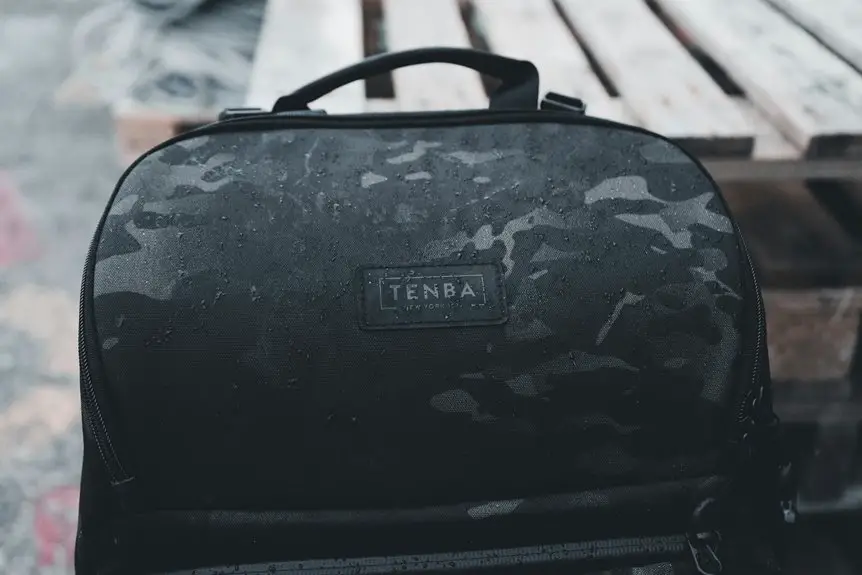
You’ll find Tetron fabric excellent for luggage because it’s strong, lightweight, and resists wear, tearing, and UV fading. Its tight weave protects your belongings from moisture and rough handling, making your bag last longer. Plus, Tetron offers various colors, patterns, and customization options to suit your style. Though it’s a synthetic material, its durability helps reduce waste. Keep exploring to uncover how its unique qualities make it ideal for your travel needs.
Key Takeaways
- Tetron fabric offers high durability and abrasion resistance, ideal for luggage that withstands rough handling and frequent travel use.
- Its moisture and UV resistance protect luggage from spills, rain, and fading, maintaining appearance over time.
- Choose Tetron luggage with twill weave for enhanced strength and flexibility suitable for rugged conditions.
- Customize Tetron luggage with patches, embroidery, or contrasting trims to personalize style and functionality.
- Maintain Tetron luggage by spot cleaning gently, storing in cool, dry places, and avoiding overpacking to extend lifespan.
What Is Tetron Fabric?
Tetron fabric is a type of polyester known for its strength and durability. When you choose luggage made with Tetron, you’re getting a material designed to withstand rough handling and resist wear over time.
It’s a synthetic fabric woven tightly to create a surface that doesn’t tear or fray easily. You’ll also appreciate its resistance to water and stains, making your bags easier to clean and maintain.
Because of these qualities, Tetron is often used in luggage, backpacks, and outdoor gear. When you carry a Tetron bag, you’re benefiting from a fabric engineered for long-lasting use without sacrificing a lightweight feel.
This balance makes Tetron a practical choice for frequent travelers who need reliability without extra bulk or weight.
How Tetron Compares to Other Luggage Materials
While several materials compete in the luggage market, you’ll find that Tetron stands out for its unique balance of durability and lightweight performance.
Unlike heavy leather, Tetron keeps your bag light without sacrificing strength. Compared to nylon, it resists abrasion better, ensuring your luggage stays looking fresh trip after trip.
Tetron offers lightweight strength and superior abrasion resistance, keeping your luggage fresh and durable on every trip.
Polyester is common, but Tetron’s tighter weave offers enhanced resilience and a smoother finish. You’ll also appreciate how Tetron handles moisture—it dries faster and resists mold better than cotton blends.
While aluminum shells protect your belongings, they add bulk and can dent easily, unlike Tetron’s flexible yet sturdy fabric.
Choosing Tetron means you get a reliable, lightweight suitcase that combines the best features of synthetic materials without their typical drawbacks.
Key Properties That Make Tetron Durable
Because you rely on your luggage to withstand rough handling and frequent travel, the materials used need to offer exceptional strength and resilience.
Tetron fabric delivers this by combining polyester’s robust molecular structure with a tight weave, providing excellent tensile strength. You’ll find that Tetron resists stretching and tearing, which means it maintains shape and integrity even when overloaded.
Its inherent moisture resistance protects your belongings from unexpected spills or rain. Plus, Tetron’s resistance to UV rays prevents fading and degradation, so your luggage looks newer longer.
You’ll also appreciate that Tetron is lightweight, reducing overall bag weight without sacrificing durability. These key properties make Tetron a smart choice when you want luggage that stays reliable trip after trip.
Resistance to Abrasion and Impact
When you travel, your luggage faces constant knocks and scrapes that can wear down lesser fabrics quickly.
Tetron fabric resists abrasion exceptionally well, thanks to its tightly woven polyester fibers. This tight weave creates a tough surface that withstands rubbing against rough surfaces, preventing tears and scuffs.
Tetron’s tightly woven polyester fibers create a durable surface that resists tears, scuffs, and abrasion.
You’ll notice that Tetron can handle impacts better than many other materials, absorbing shocks without compromising the fabric’s integrity. This means your luggage stays looking newer longer, even after frequent trips.
When choosing luggage, consider Tetron if you want fabric that holds up against everyday travel wear and rough handling. Its resistance to abrasion and impact guarantees your bag won’t easily show signs of damage, keeping your belongings protected throughout your journey.
Lightweight Advantages of Tetron Fabric
Beyond its toughness, Tetron fabric offers a significant benefit that travelers appreciate: its lightweight nature. When you choose luggage made from Tetron, you won’t be weighed down unnecessarily. This fabric helps you travel smarter and easier.
Here are three key lightweight advantages you’ll notice:
- Easier Mobility – You’ll maneuver your luggage effortlessly, whether traversing busy airports or crowded streets.
- More Packing Space – Since the bag itself is lighter, you get to pack more essentials without exceeding weight limits.
- Reduced Fatigue – Carrying or lifting your bag feels less strenuous, making long trips less tiring.
With Tetron, lightweight doesn’t mean less durable—it means smarter choices for hassle-free travel.
Water Resistance and Weather Protection
Although weather conditions can change unexpectedly, Tetron fabric keeps your luggage protected from rain, spills, and moisture. You’ll appreciate how this tightly woven polyester blend resists water penetration, so your belongings stay dry even during sudden downpours.
The fabric’s inherent water resistance means you don’t have to worry about light rain ruining your trip or your gear. Additionally, Tetron’s surface allows water to bead up and roll off quickly, reducing absorption. This feature also helps prevent stains from liquids, keeping your luggage looking fresh longer.
When you choose Tetron luggage, you’re opting for reliable weather protection without sacrificing style or durability. It’s a smart choice for anyone who travels often and needs gear that can handle unpredictable environments.
Maintenance Tips for Tetron Luggage
To keep your Tetron luggage in great shape, you’ll want to follow a few simple cleaning methods and storage tips.
Avoid harsh chemicals and store your bag in a cool, dry place to prevent damage.
Taking these steps will help your luggage last longer and stay looking fresh.
Cleaning Methods
When you want to keep your Tetron luggage looking sharp and durable, regular cleaning is key. Tetron fabric resists stains, but dirt and grime can still build up over time.
To clean effectively without damaging the material, follow these tips:
- Spot Clean with Mild Detergent: Use a soft cloth dipped in warm water mixed with a gentle detergent. Dab the stained area gently, avoiding aggressive scrubbing that can wear down the fabric.
- Rinse and Air Dry: After cleaning, wipe the area with a damp cloth to remove soap residue. Let your luggage air dry completely before use or storage.
- Avoid Harsh Chemicals: Steer clear of bleach or strong solvents that can weaken Tetron fibers and fade colors.
Stick to these methods to maintain your luggage’s appearance and longevity.
Storage Recommendations
Keeping your Tetron luggage clean is just one part of maintaining its durability. When storing your luggage, make sure it’s completely dry to prevent mold and mildew growth.
Store it in a cool, dry place away from direct sunlight, which can cause fading and weaken the fabric over time. Avoid stacking heavy items on top of your Tetron luggage to maintain its shape and avoid creases.
If possible, keep your luggage in a breathable dust bag or cover to protect it from dust and dirt while allowing air circulation.
Finally, occasionally air out your luggage to keep it fresh and prevent any musty odors from developing during long-term storage. Proper storage extends your Tetron luggage’s lifespan and keeps it looking great for every trip.
Damage Prevention
Although Tetron fabric is known for its durability, you should handle your luggage with care to prevent damage. Proper maintenance extends its lifespan and keeps your bags looking new.
To protect your Tetron luggage, follow these simple tips:
- Avoid Overpacking: Overloading strains seams and zippers, increasing the chance of tears or breaks.
- Clean Regularly: Wipe down with a damp cloth and mild soap to remove dirt and stains without damaging the fabric.
- Store Properly: Keep your luggage in a cool, dry place away from direct sunlight to prevent fading and fabric weakening.
Popular Tetron Fabric Weaves and Finishes
You’ll notice Tetron fabric comes in a few common weaves like plain and twill, each offering different strength and texture.
Finishes such as water-repellent coatings and anti-abrasion treatments boost durability and performance.
Understanding these can help you choose luggage that fits your needs perfectly.
Common Tetron Weave Types
When choosing Tetron fabric for your luggage, understanding the common weave types can help you pick the right balance of durability and style.
Each weave affects the fabric’s strength, texture, and resistance to wear differently. Here are three popular Tetron weaves you’ll encounter:
- Plain Weave: Simple and tight, this weave offers good durability and a smooth surface, making it resistant to tears and easy to clean.
- Twill Weave: Recognizable by its diagonal pattern, twill provides enhanced strength and flexibility, which helps your luggage withstand rough handling.
- Satin Weave: Known for its glossy finish, satin weave is less durable but adds a sleek, stylish look to your luggage.
Choosing the right weave depends on how you prioritize toughness versus appearance.
Surface Finishing Techniques
Understanding the weave type sets a solid foundation, but the surface finishing techniques applied to Tetron fabric play a big role in defining your luggage’s look and performance.
Popular finishes include calendaring, which smooths and adds a subtle sheen, enhancing water resistance and durability. You might also encounter PU coatings that boost abrasion resistance and make cleaning easier.
Some Tetron fabrics get a Teflon or silicone finish, providing excellent stain and moisture repellency—perfect if you want low-maintenance luggage. Additionally, embossing creates textured patterns that add style without compromising strength.
By choosing the right finishing technique, you guarantee your luggage not only looks great but also withstands travel’s rigors.
Color and Pattern Options for Tetron Bags
Tetron bags come in a wide range of colors and patterns, giving you plenty of options to match your style and preferences.
Whether you want something classic or bold, you’ll find choices that fit your luggage needs. Here are some popular options to evaluate:
- Solid Colors: Choose from traditional shades like black, navy, or gray for a sleek, professional look.
- Geometric Patterns: Opt for modern designs with shapes and lines that add a touch of sophistication.
- Printed Fabrics: Select vibrant prints or subtle textures to make your bag stand out at the airport.
With these options, you can pick a Tetron bag that’s both durable and visually appealing, ensuring your luggage reflects your personality.
Customizing Luggage With Tetron Fabric
Choosing the right color and pattern is just the beginning of making your luggage truly yours. With tetron fabric, you can personalize your bag by adding patches, embroidery, or even custom prints that reflect your style.
Since tetron is durable and smooth, it handles stitching and printing well without compromising strength. You can also select contrasting zippers, handles, or trims to create a unique look.
If you prefer functional customization, consider adding extra pockets or reinforced corners to suit your travel needs.
Environmental Impact and Sustainability of Tetron
While tetron offers excellent durability and customization options, you might wonder how it impacts the environment. Tetron is a polyester-based fabric, which means it’s derived from petrochemicals, contributing to fossil fuel consumption.
However, its long lifespan can reduce waste by limiting the need for frequent replacements. When considering sustainability, keep these points in mind:
- Production Footprint: Manufacturing tetron consumes energy and water, with emissions typical of synthetic fibers.
- Recyclability: Tetron can be recycled, but facilities are limited, so check local options.
- Longevity: Its durability means less frequent disposal, helping lower overall environmental impact.
Choosing the Right Tetron Luggage for Your Needs
When choosing Tetron luggage, you’ll want to compare material quality to guarantee durability and resistance to wear.
Consider the size and capacity options based on how much you typically pack for your trips.
Picking the right combination will make your travels smoother and more efficient.
Material Quality Comparison
Although Tetron fabric shares common traits, not all Tetron luggage offers the same level of durability and performance.
When choosing your luggage, consider these key factors to compare material quality:
- Fabric Density: Higher denier Tetron means thicker, more durable fibers that resist tears and abrasions better.
- Weave Tightness: A tighter weave improves water resistance and overall strength, helping your luggage withstand rough handling.
- Coating and Finish: Look for Tetron with protective coatings like PU or PVC; these enhance stain resistance and longevity.
Size and Capacity Options
Understanding the quality of Tetron fabric helps you pick luggage that lasts, but matching the size and capacity to your travel needs matters just as much.
You want a bag that fits what you typically pack without being too bulky or too small. For short trips, a compact carry-on made from Tetron offers durability with enough room for essentials.
If you travel longer or need to carry more gear, consider larger checked bags that maintain strength without adding weight. Remember, Tetron’s lightweight nature means even bigger bags won’t feel cumbersome.
Think about your trip length, packing style, and airline restrictions to choose the right size. Picking the perfect capacity guarantees you travel comfortably and make the most of Tetron’s tough, reliable fabric.
Frequently Asked Questions
Can Tetron Fabric Be Recycled After Its Usable Life?
You can recycle Tetron fabric, but it’s not always straightforward. Since it’s a polyester blend, specialized facilities handle the process. Check local recycling options, and consider repurposing or donating before disposal to reduce waste effectively.
Is Tetron Fabric Hypoallergenic or Safe for Sensitive Skin?
Think of Tetron fabric as a gentle breeze on your skin—it’s generally hypoallergenic and safe for sensitive skin. You won’t usually experience irritation, but always test small areas first if you’re extra cautious.
How Does Tetron Fabric Perform in Extreme Temperatures?
You’ll find Tetron fabric handles extreme temperatures well; it resists heat and cold without degrading. It won’t easily warp or weaken, keeping your luggage sturdy whether you’re in scorching deserts or freezing climates.
Are There Any Known Allergies Related to Tetron Fabric?
You won’t worry much about weird, widespread itchiness with Tetron fabric; typically, it’s hypoallergenic. However, if you’ve sensitive skin or specific allergies, testing the textile first will help you dodge any discomfort or rash risks.
Can Tetron Fabric Be Used for Other Travel Accessories Besides Luggage?
You can definitely use Tetron fabric for other travel accessories like backpacks, toiletry bags, and organizers. It’s durable, lightweight, and water-resistant, making your gear last longer and stay protected during your trips.