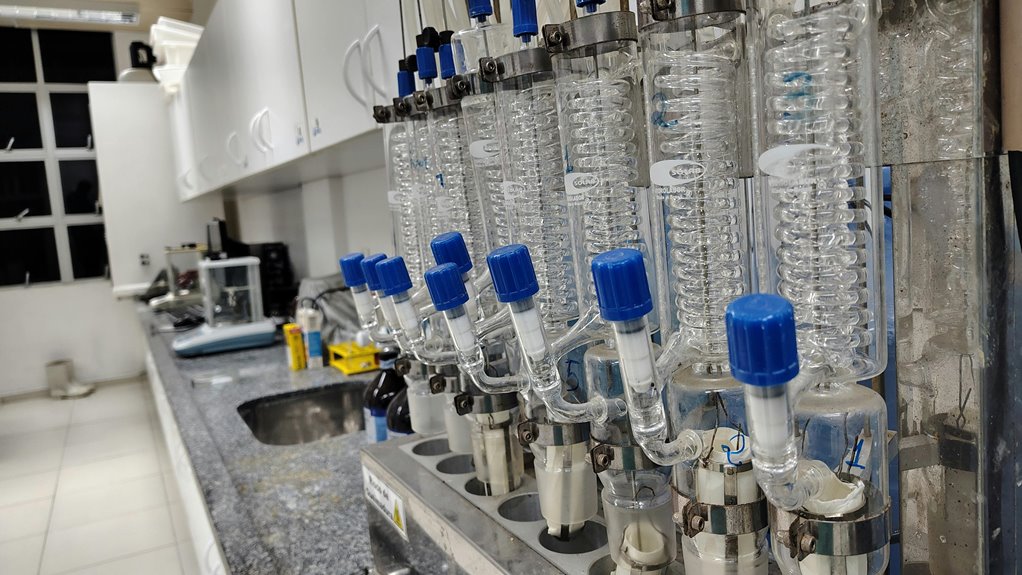
Chemistry Explained: the Polymerization of Hexamethylene Diamine Into Polyamide
Polymerizing hexamethylene diamine into polyamide unlocks a world of strong, versatile fibers—but what exactly drives this transformative chemical process?

Polymerizing hexamethylene diamine into polyamide unlocks a world of strong, versatile fibers—but what exactly drives this transformative chemical process?

Beneath their surfaces, Teflon and polyamides differ more than you think—discover the surprising facts that will change how you view these polymers.
Uncover why Kevlar’s unique polyamide structure makes it exceptionally strong and heat-resistant—qualities that set it apart from other materials.

Clearing up fabric confusion: discover the key differences between polyamide and acrylic—two synthetics that aren’t as similar as you might think.
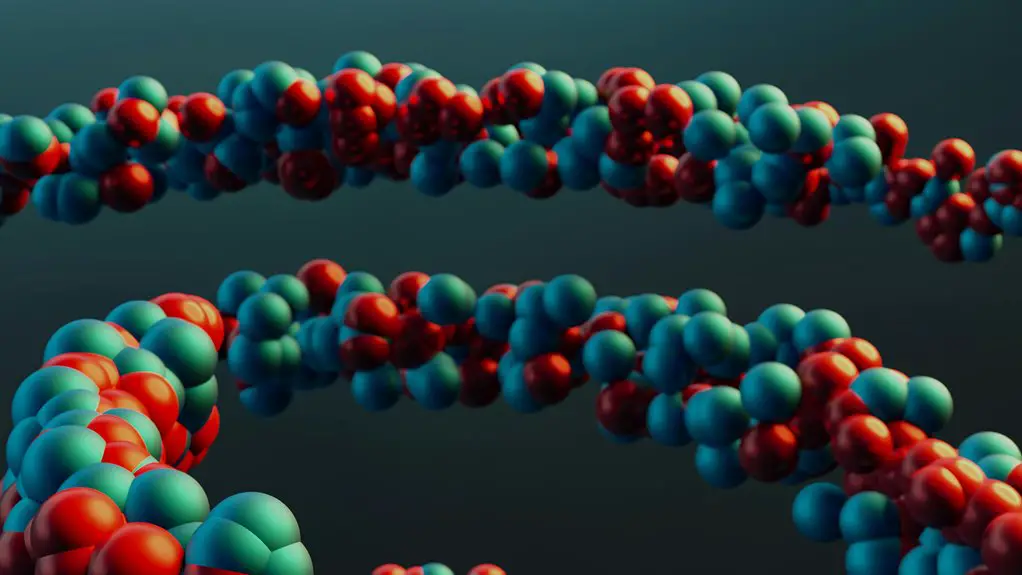
The truth behind polyamide’s formation as a condensation polymer reveals surprising chemistry that explains its strength and versatility—discover why it matters.

Surprisingly versatile, polyamide behaves uniquely under heat, revealing secrets about its thermoplastic nature that might just change your material choices forever.