
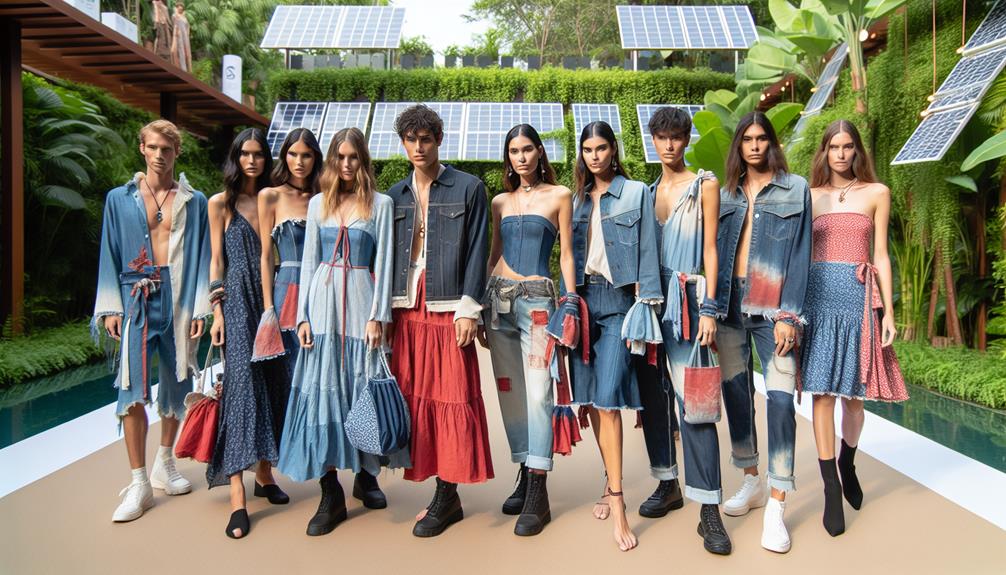
It's no coincidence that just as you start thinking about updating your wardrobe, sustainable fashion trends are revealing some exciting new practices. You'll find that recycled materials, ethical production, and zero-waste techniques are not only gaining traction but also transforming the industry. Brands are making significant progress with eco-conscious dyes and repurposed clothing, combining style with social responsibility. Curious about how these trends are shaping the future of fashion and what makes them unique? There's more to discover about these innovative approaches and how they might impact your fashion choices.
Key Takeaways
- Recycled fabrics are transforming waste into stylish, sustainable clothing.
- Ethical production practices ensure fair wages and safe working conditions.
- Zero-waste fashion techniques eliminate textile waste and maximize efficiency.
- Eco-friendly dyes derived from natural pigments reduce water and energy usage.
- Upcycled clothing trends celebrate creativity by revamping discarded garments.
Innovative Recycled Fabrics
Innovative recycled fabrics are transforming the fashion industry by turning waste into stylish and sustainable clothing. By embracing a circular economy, you can help reduce waste and promote the use of sustainable textiles.
Imagine wearing a chic jacket made from recycled plastic bottles or a luxurious dress crafted from upcycled cotton. These eco-conscious materials not only look great but also support green fashion initiatives.
You can play an active role in this transformation by choosing brands that prioritize recycled fabrics. These textiles aren't just a trend; they represent a commitment to reducing the environmental impact of fashion. When you opt for sustainable textiles, you're making a statement that you care about the planet.
Understanding the significance of a circular economy is pivotal. It's about keeping resources in use for as long as possible, extracting the maximum value, and recovering and regenerating materials at the end of their life cycle.
Ethical Production Practices
When you support ethical production practices, you're ensuring that your fashion choices reflect both style and social responsibility. By opting for brands committed to fair trade, you're advocating for fair wages and safe working conditions for laborers. It's not just about looking good—it's about knowing that your garments are made by individuals treated with dignity and respect.
Supply chain transparency is key in ethical production. Brands that openly share their sourcing and manufacturing processes allow you to make informed decisions. You can trace the journey of your clothing from raw materials to the finished product, ensuring each step aligns with ethical standards. This level of transparency builds trust and sets a high bar for corporate accountability.
Moreover, ethical production practices often involve environmentally friendly methods, reducing the overall footprint of fashion. When you choose brands that prioritize these principles, you're contributing to a more sustainable future. It's about embracing a holistic approach to fashion where ethics and aesthetics coexist harmoniously.
Zero-Waste Fashion
Zero-waste fashion embraces design techniques that eliminate textile waste by using every part of the fabric. When you explore this innovative trend, you'll find that it's all about maximizing efficiency and minimizing waste. The philosophy aligns seamlessly with the principles of a circular economy, where resources are kept in use for as long as possible, extracting maximum value before recovery and regeneration.
Designers in the zero-waste fashion domain think outside the box. They use pattern-making strategies that fit together like a puzzle, ensuring that no fabric goes unused. By doing so, they achieve minimal waste, making every inch of material count. You might be surprised to learn that traditional garment production can waste up to 15% of fabric. Zero-waste techniques aim to bring this figure down to zero.
You'll also notice that zero-waste fashion often involves multifunctional garments. These pieces can be worn in multiple ways, further extending their lifecycle and reducing the need for additional clothing items. Implementing zero-waste fashion into your wardrobe not only helps the environment but also supports the broader goal of a circular economy. By embracing these principles, you're taking a significant step towards sustainable living.
Eco-Friendly Dyes
Understanding zero-waste fashion's impact on sustainability, let's explore how eco-friendly dyes revolutionize the way we color our garments. These dyes, derived from natural pigments and plant-based sources, are transforming the textile industry by minimizing environmental harm. Unlike conventional dyes, which often rely on synthetic chemicals that pollute water sources and harm ecosystems, eco-friendly dyes offer a cleaner, greener alternative.
You can look to natural pigments from plants like indigo, turmeric, and madder root to provide vibrant, lasting colors without the toxic side effects. Indigo offers rich blues, turmeric delivers bright yellows, and madder root yields deep reds. These plant-based dyes not only reduce chemical waste but also promote biodiversity by encouraging the cultivation of dye plants.
Furthermore, the application of eco-friendly dyes often requires less water and energy compared to their synthetic counterparts. This reduction in resource consumption not only benefits the environment but also lowers production costs in the long run. By adopting these sustainable dyeing methods, you're supporting a fashion industry that values both style and the planet.
Incorporating eco-friendly dyes into your wardrobe isn't just a trend; it's a commitment to a more sustainable future.
Upcycled Clothing Trends
Upcycled clothing trends are making waves in the fashion industry by turning discarded garments into stylish, unique pieces. You've probably noticed the surge in DIY upcycling and creative repurposing, where fashion enthusiasts transform thrift store finds into vintage reimagined masterpieces. This trend isn't just about sustainability—it's a celebration of creativity and individuality.
Imagine this: you walk into a thrift store and spot an old denim jacket. With a keen eye and some basic sewing skills, you can turn that jacket into something spectacular. Maybe you add some embroidered patches, or perhaps you use fabric paint to give it a fresh, modern twist. The possibilities are endless when you embrace upcycling.
| Before | After |
|---|---|
| Faded Jeans | Trendy Patchwork Jeans |
| Oversized T-Shirt | Sleek Crop Top |
| Old Sweater | Cozy, Chic Cardigan |
| Plain Skirt | Customized Maxi Skirt |
| Worn-Out Jacket | Statement Piece Blazer |
Frequently Asked Questions
How Can I Identify Truly Sustainable Brands?
To identify truly sustainable brands, you should check for transparency in their ethical sourcing practices and use of green materials. Look for certifications and detailed information about their supply chain and environmental impact.
What Are the Benefits of Renting Clothes Instead of Buying?
Imagine cutting your fashion budget in half. Renting clothes reduces your environmental impact and is incredibly cost-effective. This shift in consumer behavior aligns with emerging fashion industry trends focused on sustainability and conscious consumption.
How Does Sustainable Fashion Impact the Global Economy?
Sustainable fashion positively impacts the global economy by promoting economic growth through eco-friendly practices. You'll see reduced environmental impact and more efficient global supply chains, fostering sustainability while supporting industries and creating green jobs.
Are There Any Certifications to Look for in Sustainable Fashion?
You should look for certifications like GOTS for green materials and Fair Trade for ethical manufacturing. These labels guarantee that the products meet high standards for sustainability and ethical production, giving you confidence in your choices.
How Do I Transition to a Sustainable Wardrobe on a Budget?
Ready to master a sustainable wardrobe on a budget? Start with thrift shopping and eco-friendly swaps. Then, immerse into DIY upcycling projects. Finally, embrace a minimalist wardrobe. You'll transform your closet without breaking the bank!