
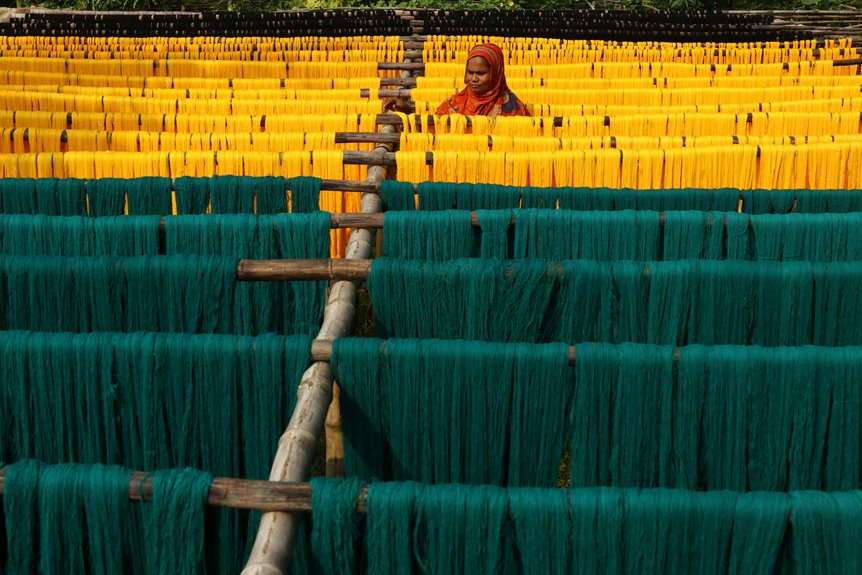
If you’re sourcing viscose fabric, Bangladesh offers top producers like Envoy Textiles, Pacific Jeans, and Beximco Textiles who combine modern tech with skilled labor to deliver quality, eco-friendly fabrics. They balance flexible order sizes with competitive pricing thanks to low labor costs and sustainable practices. These manufacturers meet international standards and support large-scale demands reliably. Exploring their innovative techniques and industry challenges will give you a clearer picture of Bangladesh’s growing viscose market.
Key Takeaways
- Envoy Textiles Ltd., Pacific Jeans Ltd., and Beximco Textiles are leading viscose fabric producers in Bangladesh with strong export capabilities.
- Top manufacturers offer high production capacities and scalable operations ensuring reliable supply chains for large orders.
- Producers maintain rigorous quality standards and sustainable practices, including eco-friendly manufacturing and advanced filtration systems.
- Technological innovations like automated processes and enzyme treatments improve fabric quality and allow flexible order sizes.
- Competitive pricing results from low labor costs, proximity to raw materials, economies of scale, and government export incentives.
Overview of Viscose Fabric Production in Bangladesh
Although Bangladesh is best known for its ready-made garment industry, it has also developed a growing capacity for producing viscose fabric.
When you explore the textile sector here, you’ll notice that manufacturers are investing in modern technologies to enhance viscose production. This fabric, made from regenerated cellulose fibers, appeals because it combines the softness of natural fibers with the versatility of synthetics.
As a result, you’ll find that viscose production in Bangladesh is increasing steadily, supported by a skilled workforce and expanding infrastructure. They focus on quality control and sustainable practices to meet international standards, which is vital if you want reliable sourcing.
Leading Viscose Fabric Manufacturers in Bangladesh
When sourcing viscose fabric, you’ll want to know the top manufacturers in Bangladesh driving the industry forward.
These key players boast impressive production capacities that can meet diverse demands.
Understanding who leads the market will help you make informed decisions for your supply needs.
Key Industry Players
Bangladesh hosts several leading manufacturers that dominate the viscose fabric industry, blending innovation with cost-effective production.
When sourcing viscose fabric, you’ll find these key players stand out by consistently delivering quality and meeting diverse client needs. They leverage advanced technology and sustainable practices to maintain their competitive edge.
You can rely on them for reliable supply chains and customization options that suit your project.
Here are three prominent viscose fabric manufacturers in Bangladesh you should consider:
- Envoy Textiles Ltd. – Known for eco-friendly viscose blends and extensive export experience.
- Pacific Jeans Ltd. – Offers innovative fabric finishes with flexible order quantities.
- Beximco Textiles – Combines cutting-edge machinery with a strong focus on sustainability.
Choosing any of these will help you secure top-quality viscose fabric for your business.
Production Capacity Highlights
The key manufacturers we mentioned don’t just excel in quality—they also boast impressive production capacities that can meet large-scale demands.
When you source viscose fabric from Bangladesh, you tap into factories equipped with advanced machinery producing thousands of meters daily. These facilities maintain consistent output without compromising fabric integrity, ensuring your bulk orders arrive on time.
You’ll find that leading producers implement efficient workflows and scalable operations, making them reliable partners whether you need moderate or massive quantities. Their commitment to high-volume production means you won’t face delays or shortages during peak seasons.
Quality Standards of Bangladeshi Viscose Producers
Although viscose production involves complex processes, Bangladeshi manufacturers consistently meet rigorous quality standards to guarantee durability and softness in their fabrics.
When you source viscose from Bangladesh, you can expect materials that undergo strict quality checks at every stage, ensuring consistent texture and color fastness.
These producers use advanced machinery and skilled labor to maintain fabric integrity, minimizing defects. You’ll find their commitment reflected in certifications that align with international norms, giving you assurance in every yard.
Key quality aspects to evaluate include:
- Precision in fiber blending to enhance strength and feel
- Thorough testing for shrinkage, pilling, and tensile strength
- Consistency in dyeing techniques to maintain vibrant, lasting colors
This focus on quality makes Bangladeshi viscose a reliable choice for your fabric needs.
Sustainable Practices Among Viscose Fabric Producers
When you source viscose fabric, it’s essential to take into account producers who use eco-friendly manufacturing techniques.
Look for those incorporating renewable materials and strong waste reduction initiatives.
These sustainable practices not only protect the environment but also guarantee long-term quality and responsibility in your supply chain.
Eco-friendly Manufacturing Techniques
Because you care about the environment, you’ll be glad to know many viscose fabric producers have adopted eco-friendly manufacturing techniques that greatly reduce waste and harmful emissions.
These producers focus on optimizing processes to minimize environmental impact while maintaining fabric quality. They use advanced filtration systems to capture and treat chemicals before release, ensuring cleaner water discharge.
Additionally, energy-efficient machinery cuts down on power consumption, lowering carbon footprints. You’ll also find that many facilities recycle waste materials back into production, reducing landfill contributions.
Here are some key eco-friendly techniques:
- Closed-loop manufacturing to recycle solvents and reduce pollution
- Use of biodegradable chemicals that break down safely
- Implementation of strict wastewater treatment protocols
These practices make sourcing viscose fabric more sustainable and responsible.
Use of Renewable Materials
Since sustainable sourcing starts at the raw material level, many viscose fabric producers prioritize using renewable materials like sustainably harvested wood pulp.
When you choose suppliers who source from certified forests, you support responsible forestry practices that maintain ecosystems and biodiversity.
You’ll also find that some producers incorporate recycled fibers alongside virgin pulp, reducing reliance on finite resources.
By opting for viscose made from renewable materials, you help lower environmental impact and promote circularity in textile production.
Additionally, these producers often collaborate with suppliers to guarantee traceability, giving you confidence in the fabric’s origin.
Embracing renewable inputs not only benefits the planet but also aligns with growing consumer demand for sustainability, making your sourcing decisions both ethical and market-savvy.
Waste Reduction Initiatives
Many viscose fabric producers have adopted waste reduction initiatives that considerably cut down environmental impact.
When you source viscose from Bangladesh, you can expect manufacturers to focus on minimizing waste during production. These initiatives not only help the environment but also improve efficiency and reduce costs.
You’ll find that leading producers implement smart strategies to manage by-products and recycle materials.
Here are key waste reduction practices you should look for:
- Efficient use of raw materials to reduce offcuts and scraps
- Recycling chemical solvents and water used in the manufacturing process
- Implementing circular production models that reuse fabric trimmings and fibers
Export Capabilities and Global Reach
When you explore sourcing viscose fabric, understanding export capabilities and global reach becomes essential.
Bangladesh’s top producers have established strong networks, allowing you to tap into reliable supply chains worldwide. Their strategic location and access to major ports facilitate efficient shipping to key markets in Europe, North America, and Asia.
You’ll find that these manufacturers comply with international trade regulations and certifications, ensuring smooth customs clearance. By choosing suppliers with proven export experience, you reduce risks of delays and increase your confidence in timely delivery.
Choosing experienced exporters ensures compliance and smooth customs for timely delivery.
Plus, many producers offer flexible order sizes and tailor shipments to your needs. This global reach empowers you to maintain consistent inventory and meet diverse customer demands efficiently.
Technological Innovations in Viscose Fabric Manufacturing
Beyond efficient global distribution, advancements in technology are reshaping how viscose fabric is produced.
When you source viscose from Bangladesh, you benefit from manufacturers who embrace cutting-edge methods to improve quality and sustainability. These innovations help reduce environmental impact while enhancing fabric properties.
You’ll find factories integrating automated processes and eco-friendly techniques that boost efficiency without compromising softness or durability.
Key technological improvements include:
- Closed-loop production systems that recycle chemicals and water
- Enzyme treatments for softer, more breathable fabric
- Advanced spinning machines ensuring consistent fiber strength
Competitive Pricing and Cost Advantages
Although quality and sustainability are essential, competitive pricing remains a top priority when sourcing viscose fabric. Bangladesh offers cost advantages due to lower labor costs, efficient supply chains, and government incentives, helping you get the best value without compromising on quality. Understanding pricing structures allows you to negotiate better deals and optimize your sourcing strategy.
| Factor | Bangladesh Advantage | Impact on Pricing |
|---|---|---|
| Labor Costs | Low wages, skilled workforce | Noticeably reduced |
| Raw Material Access | Proximity to suppliers | Lower transportation fees |
| Production Scale | Large factories, high output | Economies of scale |
| Energy Costs | Subsidized energy rates | Cost savings |
| Export Incentives | Tax benefits, export rebates | Improved profit margins |
These factors guarantee you can source competitively priced viscose fabric effectively.
Challenges Faced by Viscose Fabric Producers in Bangladesh
Despite Bangladesh’s advantages in sourcing viscose fabric, producers face significant challenges that can affect quality and delivery times. You might encounter issues like inconsistent raw material supply, which disrupts production schedules.
Additionally, environmental regulations require careful waste management, adding complexity to operations. Skilled labor shortages also limit production capacity and innovation, making it harder to meet growing demand efficiently.
Here are key challenges you should consider:
- Fluctuating availability of quality wood pulp, the main raw material
- Compliance with strict environmental standards to reduce pollutant discharge
- Limited access to advanced technology and trained workforce
Addressing these challenges is essential if you want to maintain high standards and timely delivery when sourcing viscose fabric from Bangladesh.
Future Trends in Viscose Fabric Production in Bangladesh
Bangladesh’s viscose fabric producers are responding to current challenges by adopting innovative methods that promise to reshape the industry.
You’ll notice a growing focus on sustainability, with producers investing in eco-friendly raw materials and cleaner production technologies. This shift not only reduces environmental impact but also meets increasing global demand for green textiles.
Digitalization is another trend transforming production—you can expect enhanced efficiency and quality control through automation and data analytics.
Additionally, collaborations with international brands are on the rise, helping local producers improve standards and access new markets.
Frequently Asked Questions
What Are the Common Uses of Viscose Fabric in Fashion?
You’ll find viscose fabric everywhere—from flowy dresses to cozy linings—it’s soft, breathable, and drapes beautifully. It’s perfect for casual wear, evening gowns, and even scarves, making your wardrobe both stylish and comfortable.
How Does Viscose Compare to Other Types of Rayon?
You’ll find viscose softer and more breathable than other rayon types, like modal or lyocell. It drapes well but wrinkles easily. You’ll appreciate its silk-like feel, though it’s less durable and absorbs moisture more.
Are There Any Health Risks Associated With Handling Viscose Fabric?
You might experience skin irritation if you’re sensitive, but viscose fabric itself isn’t toxic. Just avoid inhaling dust from cutting or processing it, and always wash your hands after handling to stay safe and comfortable.
Can Viscose Fabric Be Easily Dyed at Home?
Imagine you want to refresh a faded shirt; you can easily dye viscose fabric at home using fiber-reactive dyes. Just prep it well, follow dye instructions, and enjoy vibrant, long-lasting colors on your viscose garment.
What Care Instructions Are Recommended for Viscose Clothing?
You should wash viscose clothing in cold water on a gentle cycle or hand wash it. Avoid wringing, dry flat, and iron on low heat while damp to keep your garment looking great and lasting longer.