
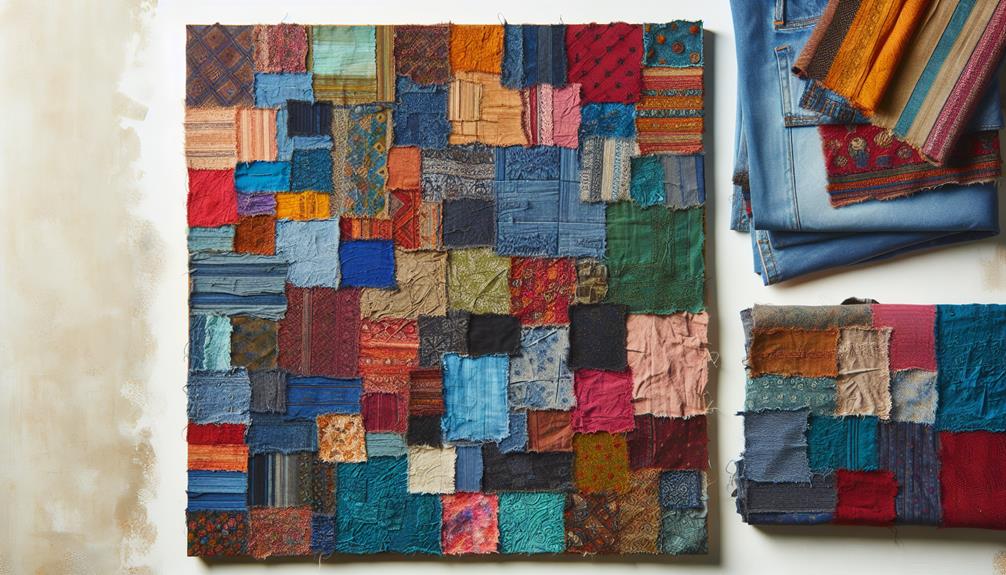
Imagine a world where your favorite pair of jeans started as discarded plastic bottles; this isn't just a dream but a growing reality in sustainable fashion. By embracing recycled fabrics, you can help combat the environmental toll of traditional textile production. These materials notably lower the industry's carbon footprint and support a circular economy. So, how exactly do recycled fabrics transform waste into stylish, eco-friendly clothing? And what role do you play as a consumer in this green revolution? Stay with us to explore these questions and more.
Key Takeaways
- Recycled fabrics significantly reduce the environmental impact of textile production by lowering energy and water consumption.
- Leading brands like Patagonia and Adidas showcase stylish, durable collections made from recycled materials, promoting sustainability.
- Advanced fiber reprocessing techniques ensure high-quality recycled textiles, supporting the circular economy.
- Blockchain technology enhances transparency in fashion supply chains, verifying ethical and sustainable sourcing.
- Consumer demand for eco-friendly fashion drives innovation and adoption of recycled fabrics in the industry.
History of Recycled Fabrics
The journey of recycled fabrics began centuries ago when people repurposed old clothing and textiles to create new garments. Back then, every scrap of fabric had value, and nothing was wasted. You can see how this practice wasn't only a matter of necessity but also an early form of sustainable living. Reflecting on textile history, you'll find that this tradition of recycling has always played an essential role in reducing the environmental impact of textile production.
In modern times, the environmental impact of the fashion industry has skyrocketed, prompting a renewed focus on recycling methods and sustainable initiatives. You've probably noticed the rise of eco-friendly fashion brands that are dedicated to minimizing waste and promoting sustainability. These brands use advanced recycling methods to transform discarded fabrics into new, high-quality materials. By doing this, they greatly reduce the waste and pollution typically associated with the textile industry.
Understanding this rich history empowers you to appreciate the depth and importance of sustainable initiatives in fashion. You're not just wearing a piece of clothing; you're part of a legacy that values innovation, resourcefulness, and environmental stewardship.
Types of Recycled Materials
When considering types of recycled materials, you'll find a diverse array that includes everything from plastic bottles to old garments transformed into new fabrics.
Recycled plastic is perhaps one of the most innovative and prevalent materials in sustainable fashion today. By converting PET bottles into fibers, manufacturers create textiles that aren't only durable but also environmentally friendly. These recycled fibers can be used in various fabric blends, offering the flexibility to produce everything from activewear to high-fashion garments.
Organic cotton is another key player in the world of recycled materials. When combined with recycled fibers, organic cotton creates a sustainable fabric that's both soft and robust. This blend maintains the integrity and quality of the original cotton while reducing waste to a large extent. Additionally, it offers an eco-friendly option for consumers who prioritize sustainability without compromising on comfort or style.
Recycled fibers extend beyond plastic and cotton. Old wool garments, for instance, can be shredded and re-spun into new yarn, offering a second life to materials that would otherwise end up in landfills.
Benefits of Recycled Fabrics
Recycled fabrics offer numerous benefits, making them an essential choice for eco-conscious consumers and brands alike. First, their environmental impact is notably lower compared to new materials. By diverting textile waste from landfills, you're actively reducing pollution and conserving resources. The fashion industry, notorious for its wastefulness, stands to gain immensely from integrating recycled fabrics into its practices.
Adopting recycled materials supports the circular economy, a model that emphasizes the reuse and recycling of products. This approach not only minimizes waste but also encourages the responsible use of resources. When you choose recycled fabrics, you're participating in a system designed to extend the lifecycle of materials, reducing the need for virgin resources.
Moreover, recycled fabrics often require less energy and water to produce, further reducing their environmental footprint. Brands that embrace these materials can market themselves as leaders in sustainability, appealing to a growing base of informed consumers who prioritize eco-friendly options.
Production Process Explained
To understand how recycled fabrics are made, you first need to know about the collection and sorting of used materials.
Then, you'll see how these materials undergo various fiber reprocessing techniques to create new textiles.
This process not only reduces waste but also conserves resources.
Collection and Sorting
Collecting and sorting discarded textiles form the cornerstone of producing recycled fabrics. You need to focus on sorting efficiency to guarantee high material quality. Efficient sorting separates textiles based on material type, color, and wear. This meticulous process is critical for maintaining the integrity of the recycled output, avoiding contamination, and maintaining a consistent quality of the final product.
Collection logistics are another pivotal aspect. You should implement sustainable practices to gather textiles from various sources like donation bins, municipal collection points, and retail take-back programs. Efficient logistics guarantee that textiles are promptly transported to sorting facilities, minimizing environmental impact and reducing waste.
Here's a quick breakdown of the collection and sorting process:
| Step | Description |
|---|---|
| Collection Points | Various sources like bins, collection points, etc. |
| Initial Sorting | Basic separation by type and condition |
| Detailed Sorting | Separation by material type, color, and wear |
| Quality Check | Ensuring no contamination and high material quality |
Fiber Reprocessing Techniques
The next vital step in creating sustainable fashion involves converting sorted textiles into reusable fibers through various advanced reprocessing techniques. You'll find that this stage is pivotal for transforming waste into high-quality materials.
One of the most effective methods is mechanical recycling, where textiles are shredded into fibers. These fibers can then be spun into new yarns. While this method is straightforward, it can result in shorter fibers, which sometimes compromises fabric strength.
To overcome this, you can leverage novel recycling techniques like chemical recycling. This method breaks down fibers at the molecular level, allowing for the creation of new, high-quality fibers that match virgin materials in durability. By using innovative technologies, chemical recycling effectively addresses the limitations of mechanical recycling.
Another technique involves thermal recycling, where heat is applied to melt synthetic fibers for remolding into new materials. Although energy-intensive, this process can be optimized using renewable energy sources, making it more sustainable.
You should also consider enzymatic recycling, a cutting-edge approach that uses enzymes to decompose fibers into their basic components. This method is particularly effective for natural fibers like cotton and wool, ensuring minimal environmental impact.
Popular Brands Using Recycled Fabrics
You'll find that several leading brands are making significant strides in sustainable fashion by using recycled fabrics.
Companies like Patagonia, Adidas, and Stella McCartney have remarkable collections that highlight their commitment to eco-friendly innovation.
They often incorporate prominent upcycled materials, making it easier for you to choose stylish and sustainable options.
Leading Eco-Friendly Innovators
Pioneering the shift towards sustainable fashion, several popular brands are now using recycled fabrics to create eco-friendly clothing lines. By embracing green technology and the principles of a circular economy, these innovators are redefining the fashion industry's environmental impact.
You'll see how they're leading the charge to reduce waste and promote sustainability. Patagonia is one such brand, utilizing recycled polyester from plastic bottles to create durable outdoor gear. They've integrated green technology into their production processes, ensuring minimal waste and maximum efficiency.
Similarly, Adidas has teamed up with Parley for the Oceans to turn plastic waste into high-performance sportswear, underscoring their commitment to a circular economy. Stella McCartney stands out with her luxurious, eco-conscious designs, using recycled nylon and polyester to craft fashion-forward pieces.
Her brand's dedication to sustainability significantly reduces the environmental impact typical of high fashion. You'll also find H&M's Conscious Collection making waves. They incorporate recycled cotton and polyester, demonstrating that affordable fashion can be sustainable too.
These brands aren't just creating clothing; they're setting a precedent for the entire fashion industry to follow. By choosing their products, you're joining a movement towards a more sustainable future.
Noteworthy Sustainable Collections
Ever wondered which collections from popular brands are making waves with their use of recycled fabrics? You're in for a treat. High fashion partnerships are at the forefront of sustainable innovation.
Stella McCartney, a pioneer in eco-friendly fashion, collaborates with celebrities like Taylor Swift, seamlessly blending style with sustainability. Her collections often feature recycled polyester and organic cotton, proving that high fashion can also be environmentally conscious.
Another remarkable brand is Patagonia. Known for its commitment to sustainability, Patagonia's collections utilize recycled fabrics, including nylon and wool, showcasing the brand's dedication to reducing waste. Their artistic interpretations of outdoor wear are both functional and stylish, making a strong statement about the importance of environmental responsibility.
Local artisanal influences are also gaining traction. EILEEN FISHER's Renew collection stands out by incorporating recycled materials sourced from local artisans. This not only supports local communities but also adds a unique touch to each piece. Celebrity endorsements, like those from Emma Watson, amplify the brand's message and reach.
Even major labels like Adidas are joining the movement. Their collaboration with Parley for the Oceans transforms ocean plastic into high-performance sportswear, setting a new standard for athletic wear.
Prominent Upcycled Materials
Prominent brands are making waves in sustainable fashion by incorporating upcycled materials like ocean plastic, recycled polyester, and regenerated nylon into their collections. You'll find that companies like Patagonia and Adidas are leading the charge.
Patagonia has long been committed to environmental stewardship, using recycled polyester in their fleece jackets, reducing waste and energy consumption. Adidas, through its collaboration with Parley for the Oceans, transforms ocean plastic into high-performance sportswear, demonstrating that sustainability and athletic excellence can coexist.
Consider Stella McCartney, who's known for her luxurious yet eco-friendly fashion. She utilizes regenerated nylon, sourced from discarded fishing nets and fabric scraps, to craft elegant garments and accessories. This method not only results in creative designs but also markedly decreases the environmental impact by reducing the need for virgin materials.
Everlane, another noteworthy brand, focuses on transparency and sustainability. They incorporate recycled plastic bottles into their ReNew collection, producing stylish outerwear that you can feel good about wearing. By choosing these brands, you're not just elevating your wardrobe; you're actively contributing to a more sustainable future.
The marriage of innovative materials and thoughtful design is setting a new standard in the fashion industry.
Consumer Trends and Preferences
Consumers are increasingly favoring recycled fabrics as they become more conscious of their environmental impact. You've likely noticed that ethical sourcing and green initiatives are becoming essential criteria in your purchasing decisions. Brands that prioritize eco-conscious choices and sustainable practices are gaining your loyalty. You're not just buying clothes; you're making a statement about your values.
This shift is evident in the rise of brands committed to ethical sourcing. They're transparent about where their materials come from and how they're produced. You appreciate this honesty because it aligns with your desire to support green initiatives. By choosing recycled fabrics, you're contributing to a reduction in waste and a lower carbon footprint.
Moreover, you're part of a growing community that values durable, sustainable fashion over fast fashion's fleeting trends. You understand that investing in quality pieces made from recycled materials means less frequent replacements and a more sustainable wardrobe. You're making eco-conscious choices that reflect a deeper commitment to preserving the planet.
Your preference for recycled fabrics is reshaping the fashion industry, pushing it towards more sustainable practices. As you continue to demand better, you'll see even more innovative solutions emerge.
Challenges and Limitations
Despite its many benefits, the use of recycled fabrics in fashion faces several challenges and limitations. First, market demand for recycled textiles isn't consistently high, which can deter manufacturers from fully committing to these materials. You might find that consumer interest fluctuates, influenced by trends rather than a sustained commitment to sustainability.
Second, technological advancements in recycling processes are still catching up to the needs of the fashion industry. Current methods can be energy-intensive and costly, making it difficult for recycled fabrics to compete with traditional materials on price and quality.
Third, the supply chain for recycled fabrics is often fragmented. Securing a steady supply of high-quality recycled raw materials can be tricky, leading to inconsistencies in the final product. This can pose a significant hurdle for brands that aim for uniformity and reliability in their offerings.
Fourth, consumer education is another critical aspect. Many people aren't fully aware of the benefits or availability of recycled fabrics. Without proper education, consumers may not prioritize these options, further complicating market dynamics.
Here's a summary of the challenges:
- Inconsistent market demand
- Lagging technological advancements
- Fragmented supply chain
- Insufficient consumer education
Innovations in Recycled Textiles
Amid these challenges, groundbreaking innovations in recycled textiles are reshaping the landscape of sustainable fashion. You're witnessing a transformative era where textile innovation is at the forefront. Companies are developing advanced methods to recycle materials like PET bottles and old garments into new, high-quality fabrics. These processes don't just reduce waste; they embody the principles of the circular economy, where resources are continually repurposed rather than discarded.
Imagine fabrics derived from ocean plastic or regenerated fibers that rival virgin materials in quality. These innovations aren't mere concepts; they're already influencing the market. By embracing recycled textiles, you're not only supporting sustainability but also investing in durability and performance.
Advancements in chemical recycling are particularly notable. They break down synthetic fabrics into their original polymers, allowing for almost infinite recycling without quality loss. Mechanical recycling, too, is evolving, creating fibers that maintain their integrity through multiple cycles.
Future Trends in Sustainable Fashion
Looking ahead, you'll see that the future trends in sustainable fashion are set to revolutionize not only how clothes are made but also how they're worn and disposed of. Embracing a circular economy and sustainable design, the industry is moving towards creating products that minimize waste and maximize longevity. Ethical sourcing will become a non-negotiable standard, ensuring that every step of the supply chain respects both people and the planet.
You'll notice four main trends driving this transformation:
- Closed-Loop Systems: Brands will adopt closed-loop systems where garments are designed to be easily recycled back into new products, reducing reliance on virgin materials.
- Modular Fashion: Expect to see modular fashion pieces that can be customized and updated, catering to eco-conscious consumers who value longevity and versatility.
- Smart Textiles: Innovations in smart textiles will produce fabrics that aren't only sustainable but also functional, like those that regulate temperature or monitor health metrics.
- Blockchain for Transparency: Blockchain technology will provide unprecedented transparency in the fashion supply chain, allowing consumers to verify ethical sourcing and sustainability claims.
Frequently Asked Questions
How Do Recycled Fabrics Compare in Cost to Traditional Fabrics?
You'll find cost comparison shows recycled fabrics can be pricier than traditional ones initially. However, their lower environmental impact often justifies the investment, making them a smarter choice for those committed to sustainable fashion.
Are Recycled Fabrics as Durable as New Materials?
Imagine a rugged trail jacket that withstands the harshest weather. Recycled fabrics offer similar durability to new materials. Their longevity and sustainability make them a wise choice, minimizing environmental impact without compromising on performance.
Can Recycled Fabrics Be Dyed and Printed Effectively?
Yes, you can dye and print recycled fabrics effectively using eco-friendly techniques. These methods guarantee vibrant colors and intricate patterns, enabling innovative designs while maintaining sustainability. You'll master creating unique, sustainable fashion pieces effortlessly.
What Certifications Should Consumers Look for in Recycled Fabrics?
Why wouldn't you want the best eco-friendly options? Look for quality certifications like GRS (Global Recycled Standard) and OEKO-TEX. These guarantee the recycled fabrics meet high environmental and safety standards, giving you peace of mind.
How Can Individuals Contribute to the Demand for Recycled Fabrics?
To boost demand for recycled fabrics, raise consumer awareness by educating others and making sustainable choices in your own purchases. Champion brands that prioritize sustainability, and share your eco-friendly practices to inspire others to follow suit.