
If you’re looking into the price of non-woven fabric bags in Bangladesh, expect variations caused by raw material costs like polypropylene, manufacturing expenses, and government regulations. Prices fluctuate with seasonal demand spikes and production complexities. Locally made bags may cost less than imports due to tariffs and subsidies. Market competition and eco-friendly demand also influence pricing. Keep exploring to understand how size, design, and future trends will affect these costs in detail.
Key Takeaways
- Non-woven fabric bag prices in Bangladesh fluctuate with polypropylene raw material costs and adhesive quality variations.
- Government policies, including import tariffs and subsidies, directly impact production costs and retail pricing.
- Seasonal demand spikes during festivals and holidays lead to temporary price increases in the non-woven bag market.
- Manufacturing expenses, such as skilled labor, machinery maintenance, and quality control, significantly influence final bag prices.
- Market competition and consumer preference for eco-friendly designs drive pricing strategies and product innovation.
Overview of Non-Woven Fabric Bag Market in Bangladesh
The non-woven fabric bag market in Bangladesh has grown rapidly due to rising environmental awareness and government regulations banning plastic bags.
Bangladesh’s non-woven fabric bag market thrives on eco-awareness and plastic bag bans.
You’ll find that consumers and businesses alike are shifting toward these eco-friendly alternatives because they’re reusable, durable, and biodegradable.
As a result, manufacturers have increased production to meet the growing demand, expanding distribution channels across urban and rural areas.
You’ll notice that this shift has encouraged local entrepreneurs to innovate with designs and sizes tailored to different needs.
With the government enforcing strict policies against plastic use, the market benefits from a steady rise in sales and acceptance.
If you’re involved in this sector, understanding these market dynamics is essential for staying competitive and capitalizing on emerging opportunities.
Key Raw Materials and Their Cost Impact
Although you might focus on market trends and consumer demand, understanding key raw materials is essential since they directly influence the cost and quality of non-woven fabric bags.
When you evaluate pricing, consider these three major materials:
- Polypropylene Fabric: This is the primary material, and its price fluctuates with the global polymer market, impacting your bag costs greatly.
- Adhesives: Used to bond layers, adhesive quality and price vary, affecting durability and final pricing.
- Printing Inks: Custom designs require inks, and their cost depends on type and volume, influencing the overall production expense.
Manufacturing Processes and Associated Expenses
Understanding the costs of raw materials sets the stage for examining how manufacturing processes shape the final price of non-woven fabric bags.
When you look at production, cutting, stitching, and printing add significant expenses. Each step requires skilled labor and specialized machinery, pushing up costs.
Automated machines speed up production but come with high maintenance and energy bills. Waste generated during cutting also impacts expenses since you pay for unused materials.
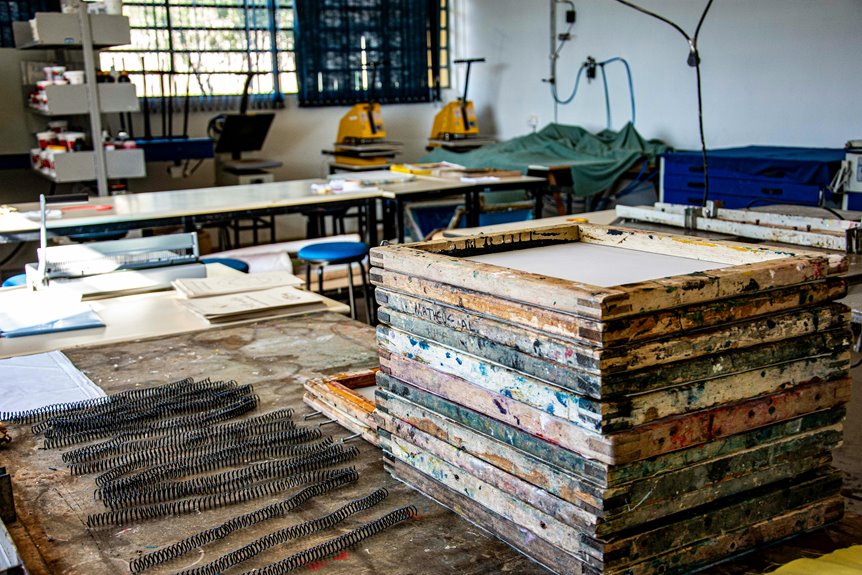
Quality control is essential too, ensuring bags meet standards but adding labor costs. If you want custom designs, printing techniques like screen printing or heat transfer add to the price.
Influence of Government Policies on Pricing
Since government policies directly regulate production standards and import-export tariffs, they play an essential role in shaping the price of non-woven fabric bags.
You’ll find these policies impact costs in several key ways:
- Tariffs and Taxes: Import duties on raw materials or finished bags can increase costs, which you’ll see reflected in final prices.
- Environmental Regulations: Compliance with eco-friendly standards may require you to invest in better materials or processes, slightly raising expenses.
- Subsidies and Incentives: Government support for local manufacturers can reduce production costs, allowing you to offer more competitive pricing.
Understanding these factors helps you anticipate price fluctuations and make informed decisions whether you’re buying or selling non-woven fabric bags in Bangladesh.
Comparison Between Locally Produced and Imported Bags
When you compare locally produced non-woven fabric bags to imported ones, you’ll notice differences in price, quality, and availability that directly affect your purchasing decisions.
Locally made bags tend to cost less since you avoid import duties and shipping fees. Plus, you can get them faster because they’re readily available in the market.
However, imported bags often offer higher quality materials and advanced manufacturing techniques, which might justify their higher price.
If you prioritize cost-effectiveness and quick access, local products serve you well. But if durability and premium finish matter more, imported bags could be worth the investment.
Understanding these trade-offs helps you choose bags that fit your budget and quality expectations without compromising your needs.
Market Demand Trends and Price Fluctuations
You’ll notice that demand for non-woven fabric bags shifts with the seasons, affecting prices throughout the year.
Various factors like raw material costs and consumer trends also play a big role in price changes.
Understanding these patterns helps you anticipate when prices might rise or fall.
Seasonal Demand Variations
Although demand for non-woven fabric bags remains steady throughout the year, you’ll notice significant fluctuations tied to seasonal trends. Understanding these variations helps you anticipate price changes and manage inventory effectively.
Here are key seasonal demand shifts you should watch:
- Festive Seasons: Demand spikes during festivals like Eid and Pohela Boishakh, as shoppers prefer eco-friendly bags for gifts and purchases.
- Back-to-School Period: Late summer sees increased orders from educational institutions and students needing durable bags for books.
- Holiday Shopping: Towards year-end, retailers ramp up orders to meet holiday shopping demands, pushing prices higher due to increased volume.
Price Impact Factors
Since market demand constantly shifts, it directly influences the pricing of non-woven fabric bags. When demand surges, suppliers often raise prices to balance limited stock, so you might notice price hikes during peak seasons or promotional events.
Conversely, when demand drops, prices tend to fall as sellers compete to clear inventory. Additionally, global trends like increased environmental awareness can boost demand, pushing prices up.
You should also watch for fluctuations in raw material costs, which affect production expenses and ultimately impact retail prices. Staying informed about these factors helps you anticipate price changes and make smarter purchasing decisions in Bangladesh’s non-woven fabric bag market.
Understanding these dynamics guarantees you don’t overpay when market conditions shift unexpectedly.
Cost Breakdown for Different Sizes and Designs
Understanding the cost breakdown for non-woven fabric bags helps you make smarter purchasing decisions. The price mainly depends on the bag’s size, design complexity, and material quality.
Knowing how size, design, and material affect non-woven bag costs leads to better buying choices.
Here’s what you need to take into account:
- Size: Larger bags require more fabric, increasing material costs. Small bags are cheaper but offer less utility.
- Design: Simple designs with minimal printing lower production costs. Intricate patterns or multiple colors add to expenses.
- Accessories and Features: Adding zippers, pockets, or reinforced handles boosts the price due to added materials and labor.
Future Outlook for Non-Woven Fabric Bag Prices in Bangladesh
You’ll see that market trends will play a big role in shaping non-woven fabric bag prices in Bangladesh.
Environmental policies are pushing manufacturers to adopt greener practices, which could affect costs.
Keep an eye on production cost forecasts to understand how these factors might impact prices moving forward.
Market Trends Impact
As global awareness of environmental issues rises, the demand for non-woven fabric bags in Bangladesh is set to increase, influencing their future prices.
You’ll notice market trends shaping costs based on:
- Raw Material Availability – Fluctuations in polypropylene prices directly impact manufacturing expenses, affecting final retail prices.
- Consumer Preferences – As more people prefer eco-friendly alternatives, producers might raise prices due to higher demand.
- Technological Advances – Improvements in production efficiency could lower costs, potentially stabilizing or reducing prices.
Environmental Policy Effects
While new environmental policies in Bangladesh aim to reduce plastic waste, they’ll also shape the pricing of non-woven fabric bags.
You’ll notice that stricter regulations on single-use plastics increase demand for eco-friendly alternatives like non-woven bags. As a result, manufacturers might raise prices to capitalize on growing demand and cover compliance costs.
You’ll also see incentives for sustainable production methods, which could stabilize prices by encouraging efficiency. However, if the government tightens rules further or imposes taxes on materials, prices could rise.
Staying informed about policy changes helps you anticipate price movements and make better purchasing decisions.
Production Cost Forecast
Although demand for non-woven fabric bags is rising, production costs in Bangladesh will play an essential role in determining their future prices.
You need to take into account several factors that might affect these costs moving forward:
- Raw Material Prices: Fluctuations in polypropylene prices directly impact manufacturing expenses, influencing final bag prices.
- Labor Costs: As wages increase, especially with improving labor laws, production costs may rise, pushing prices higher.
- Energy and Transportation: Changes in fuel and electricity costs can considerably affect overall production expenses.
Frequently Asked Questions
How Environmentally Friendly Are Non-Woven Fabric Bags Compared to Alternatives?
You’ll find non-woven fabric bags more eco-friendly than single-use plastics since they’re reusable and biodegradable. However, they still impact the environment during production, so you should reuse them often to reduce waste effectively.
Can Non-Woven Fabric Bags Be Customized With Logos or Designs?
Yes, you can customize non-woven fabric bags with logos or designs easily. They’re perfect for branding or promotional purposes, and you’ll find many printing options to make your bags stand out and represent your style.
What Are the Typical Lifespan and Durability of These Bags?
You might think these bags wear out quickly, but they actually last quite well. With proper care, you can use them for months or even years—they’re durable, resistant to tearing, and perfect for everyday use.
Are Non-Woven Fabric Bags Recyclable or Biodegradable in Bangladesh?
You should know non-woven fabric bags aren’t biodegradable, but you can recycle them in Bangladesh if proper facilities exist. Make sure you check local recycling options since not all areas accept these materials for recycling.
Where Can Consumers Buy Non-Woven Fabric Bags at Wholesale Prices?
You might expect convenience stores, but wholesale markets like Dhaka’s New Market or wholesale hubs in Chittagong offer better deals. Don’t overlook online platforms, either—they often have competitive prices and bulk buying options.