
To prevent fabric shrinkage, always wash with cold water and select gentle cycles for delicate items. Avoid high heat in the dryer; instead, opt for lower settings or air drying. Choose stable fabrics like polyester or pre-shrunk cotton to resist shrinking. When caring for your clothes, store them in a cool, dry place and treat stains promptly. If you want to keep your garments looking great, discover more essential tips to guarantee their longevity.
Key Takeaways
- Always check and follow care labels to ensure proper washing and drying instructions for each fabric type.
- Use cold water and gentle wash cycles to minimize fiber contraction and agitation during laundry.
- Avoid high heat in the dryer; opt for lower settings or air drying to prevent unwanted shrinking.
- Separate laundry by fabric type to protect delicate items from stretching and damage during the wash.
- Choose stable fabrics like polyester or pre-shrunk cotton to reduce the risk of shrinkage over time.
Causes of Fabric Shrinkage
Fabric shrinkage can happen for several reasons, and understanding these causes is key to prevention. One primary culprit is heat. When you expose fabrics to high temperatures during washing or drying, the fibers contract, leading to shrinkage.
Another factor is moisture; when wet fibers are agitated, they can bunch together, causing shrinkage. Additionally, the type of fabric matters; natural fibers like cotton and wool are more prone to shrinking than synthetic materials.
Finally, improper care, such as using harsh detergents or neglecting care labels, can exacerbate the issue. By recognizing these causes, you can take the necessary steps to protect your clothes and maintain their original fit and shape.
Preventive Measures for Washing
To prevent fabric shrinkage during washing, you should always pay attention to the temperature settings of your machine. Use cold water for most fabrics, as hot water can cause fibers to contract.
Additionally, select gentle wash cycles for delicate items to reduce agitation and stress on the fabric. It’s also wise to separate your laundry by fabric type; heavier items can pull and stretch lighter fabrics.
If possible, use a mesh laundry bag for delicate garments to provide extra protection. Always check care labels for specific washing instructions, as they can guide you on the best practices for each item.
Drying Techniques to Prevent Shrinkage
While you might be tempted to toss your laundry into the dryer on high heat, doing so can lead to unwanted shrinkage. Instead, opt for a gentler drying method. If possible, use a lower heat setting or the air-dry option to minimize fabric stress.
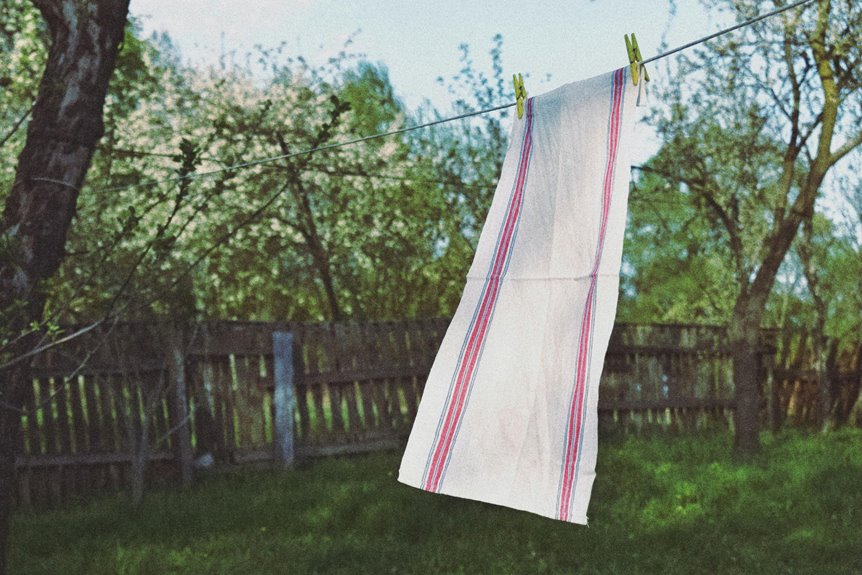
You can also try removing your clothes from the dryer while they’re still slightly damp; this helps them retain their shape. If you prefer line drying, hang your garments in a shaded area to avoid sun damage.
When drying sweaters or delicate items, lay them flat on a clean towel to prevent stretching. By being mindful of your drying techniques, you can keep your clothes fitting perfectly and looking great for longer.
Fabric Selection Strategies
Choosing the right materials is essential for preventing shrinkage in your garments. When you shop, opt for fabrics known for their stability, like polyester or blends that include spandex. These materials tend to resist shrinking better than pure cotton or wool.
If you love natural fibers, look for pre-shrunk cotton options, which have undergone treatment to minimize shrinkage. Additionally, consider the weight of the fabric; heavier fabrics often hold their shape better than lightweight ones.
Always check the care labels, as they provide vital information about the fabric’s behavior during washing. By selecting the right fabrics and blends, you’ll enjoy longer-lasting garments that maintain their fit and appearance after every wash.
Long-Term Fabric Care
When you want your fabrics to last, proper long-term care is essential.
Start by storing your garments in a cool, dry place, away from direct sunlight to prevent fading. Use breathable garment bags for delicate items, and avoid overcrowding your closet, as this can lead to unwanted creasing.
Regularly check for stains and treat them promptly to prevent permanent damage. When washing, use gentle detergents and cold water to minimize wear. Avoid over-drying in the dryer; air-drying is often gentler on fabrics.
If you must iron, always check the fabric care label for the right temperature.
Finally, consider rotating your wardrobe to give each piece a break, ensuring they stay in great shape for years to come.
Frequently Asked Questions
Can I Use Fabric Softener to Prevent Shrinkage?
Using fabric softener can help, but it won’t work miracles. While it can make your clothes feel softer, it doesn’t guarantee you’ll avoid shrinkage. To be safe, always follow care labels and wash with care.
How Does Fabric Weight Affect Shrinkage Rates?
Fabric weight plays a vital role in shrinkage rates. Heavier fabrics generally shrink less due to their denser fibers, while lightweight materials might contract more easily. Choosing the right weight can help minimize shrinkage issues.
Are There Specific Washing Machines That Minimize Shrinkage?
Imagine your favorite sweater, perfectly cozy after every wash. Choosing a gentle washing machine, like a front-loader with a delicate cycle, helps minimize shrinkage. You’ll keep your clothes looking fresh and fitting just right.
Does the Age of the Fabric Influence Its Shrinkage Potential?
Yes, the age of the fabric can influence its shrinkage potential. Older fabrics may have already undergone some shrinkage, while newer materials might still react strongly to heat and water, increasing their risk of shrinking.
What Role Does Humidity Play in Fabric Shrinkage?
Humidity’s like a sneaky thief, stealing your fabric’s shape. When the air’s damp, fibers swell, leading to increased shrinkage. You’ve gotta keep your laundry dry to protect those cherished clothes from unwanted changes.