
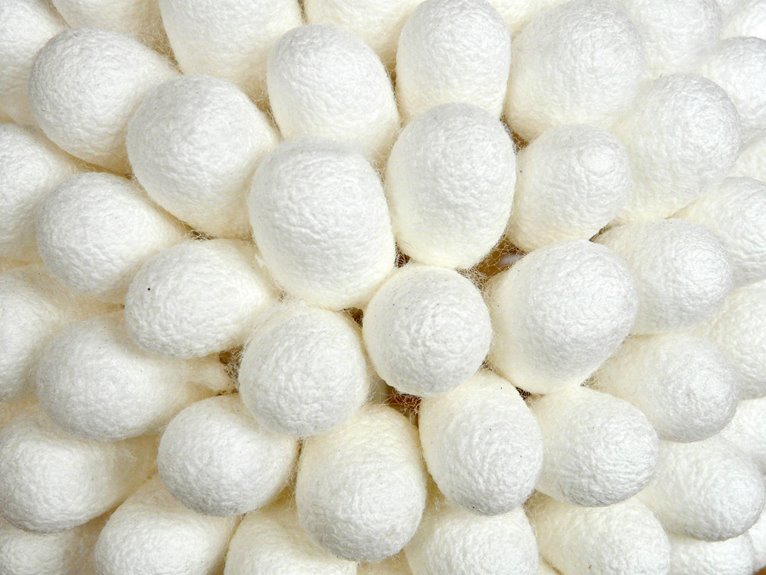
When you think about silk, you might picture luxurious fabrics, but have you considered the ethical implications behind its production? Peace silk, or Ahimsa silk, claims to offer a more compassionate alternative by allowing silkworms to thrive. Yet, questions linger about its true sustainability and the costs involved. Is this really the answer for mindful consumers, or just another trend? Let’s explore the complexities surrounding this intriguing fabric.
Key Takeaways
- Ahimsa silk is produced without harming silkworms, allowing them to complete their natural life cycles, making it more ethical than conventional silk.
- The production supports fair trade practices, ensuring artisans receive fair wages and promoting social equity in the textile industry.
- Peace silk production uses less water and avoids harmful chemicals, significantly reducing environmental impact compared to traditional silk farming methods.
- The fabric’s biodegradable nature aligns with sustainability goals, preventing landfill waste and promoting eco-friendly fashion choices.
- Increasing consumer demand for ethical fashion highlights a shift toward transparency in supply chains, making Ahimsa silk a desirable choice for conscious consumers.
Understanding Ahimsa Silk: Origins and Production
Ahimsa silk, often referred to as “peace silk,” has its roots in ancient traditions that prioritize compassion over exploitation. This unique fabric is produced without harming silkworms, allowing them to complete their life cycle naturally.
Instead of boiling the cocoons, artisans collect them after the moths emerge, ensuring minimal environmental impact. You’ll find that this method not only preserves the lives of the silkworms but also results in a softer, more luxurious textile.
The production process involves careful handling and is often done by skilled artisans who maintain traditional weaving techniques.
Ethical Considerations of Peace Silk
When choosing peace silk, you’re not just selecting a luxurious fabric; you’re also embracing a philosophy that prioritizes ethical practices in textile production. This fabric is made without harming silkworms, allowing them to complete their life cycle.
By supporting peace silk, you contribute to a movement that values compassion and respect for all living beings.
Moreover, many peace silk producers are small-scale artisans who depend on fair trade practices, ensuring that workers receive fair wages and work in safe conditions. This commitment to ethical labor enhances the overall value of your purchase.
Ultimately, when you wear peace silk, you’re not just making a fashion statement; you’re aligning your choices with a deeper ethical commitment that resonates with your values.
Sustainability and Environmental Impact
Choosing peace silk not only reflects your ethical values but also highlights a commitment to sustainability.
This fabric contributes positively to the environment in several ways:
- It promotes biodiversity by supporting natural ecosystems.
- The production process typically uses less water than conventional silk.
- You’ll find that peace silk often avoids harmful chemicals, reducing soil and water pollution.
- It encourages traditional farming practices, preserving cultural heritage.
- Peace silk’s biodegradable nature means it won’t contribute to landfill waste.
The Production Process of Ahimsa Silk
When you explore the production process of Ahimsa silk, you’ll discover unique cocoon harvesting techniques that prioritize the well-being of silkworms.
After harvesting, the degumming and processing steps guarantee the silk retains its quality while remaining cruelty-free.
Finally, weaving techniques and quality variations come together to create stunning, sustainable fabrics that reflect this ethical approach.
Cocoon Harvesting Techniques
In the quest for ethical textiles, many people are discovering the unique process of cocoon harvesting for Ahimsa silk. This method prioritizes the well-being of silkworms and aligns with sustainable practices.
Here’s how it’s done:
- Farmers allow silkworms to complete their life cycle.
- Once the moths emerge, they lay eggs for the next generation.
- The empty cocoons are collected gently to avoid waste.
- This process respects the natural growth of silkworms, promoting biodiversity.
- The harvested cocoons are then prepared for the next stages of silk production.
Degumming and Processing
After harvesting the empty cocoons, the next step in producing Ahimsa silk involves degumming and processing.
You’ll start by soaking the cocoons in hot water to loosen the sericin, the natural gum that holds the silk fibers together. This step is essential, as it guarantees the silk remains soft and lustrous without harming any silkworms.
After soaking, you gently remove the sericin by rinsing the fibers. Once degummed, you’ll hang the silk to dry, allowing it to maintain its natural sheen.
The processing doesn’t involve harmful chemicals, making it a more sustainable choice. By employing these gentle methods, you contribute to an ethical production process that respects nature and the life cycle of the silkworms.
Weaving and Quality Variations
As you explore the weaving process of Ahimsa silk, you’ll discover that each loom produces unique patterns and textures, reflecting the artisan’s skill and creativity.
The quality variations in Ahimsa silk arise from several factors, each contributing to its distinctiveness:
- The type of loom used—traditional handlooms vs. modern machines
- The skill level of the weaver—experience plays a vital role
- The choice of dye—natural dyes vs. synthetic options
- The thickness of the yarn—affecting both durability and feel
- The weaving technique—different techniques yield varied results
These elements intertwine to create beautiful, ethically produced silk that not only honors the craft but also respects the environment and the silkworms.
Embrace the artistry and sustainability woven into every piece.
Types of Ahimsa Silk and Their Qualities
While exploring the world of Ahimsa silk, you’ll discover various types, each with unique qualities that cater to different preferences and uses.
One popular type is Mulberry silk, known for its softness and sheen, making it ideal for luxurious garments.
Another option is Tussar silk, which has a textured finish and a natural golden hue, perfect for traditional attire.
Then there’s Eri silk, characterized by its durability and warmth, often used for cozy shawls and blankets.
You might also encounter Muga silk, prized for its rarity and vibrant color, typically found in Assam.
Each type not only showcases the beauty of silk but also reflects the ethical practices behind its production, allowing you to choose with confidence.
Market Trends and Consumer Perception
As you explore the world of peace silk, you’ll notice a rising demand for ethical fashion among consumers.
However, the pricing of these sustainable products presents a challenge that can impact their accessibility.
Understanding these market trends and perceptions can help you make informed choices about your fashion purchases.
Growing Ethical Fashion Demand
With consumers increasingly aware of the environmental and ethical implications of their purchases, the demand for ethical fashion is surging.
More people are prioritizing sustainable choices in their wardrobes, seeking brands that align with their values. This shift is leading to a notable change in the marketplace.
Here are some key factors driving this demand:
- Increased awareness of fast fashion’s impact
- Desire for transparency in the supply chain
- Preference for cruelty-free and eco-friendly materials
- Growing support for local and small-scale artisans
- Shift towards minimalism and quality over quantity
As you embrace ethical fashion, you contribute to a movement that values sustainability and compassion, making an impact with each purchase you make.
Pricing Challenges Explained
Understanding the pricing challenges in ethical fashion can be vital for consumers who want to make informed choices. Peace silk often comes with a higher price tag due to sustainable farming practices and labor costs. While you might appreciate the ethical aspect, it’s important to take into account how this impacts your budget.
Here’s a quick overview of factors influencing peace silk pricing:
| Factor | Influence on Price |
|---|---|
| Production Methods | Labor-intensive |
| Supply Chain | Fair trade practices |
| Demand | Limited availability |
| Material Quality | Higher quality fibers |
| Brand Positioning | Premium branding |
Ultimately, understanding these challenges helps you weigh the benefits against costs in your purchasing decisions.
Frequently Asked Questions
How Does Ahimsa Silk Compare to Traditional Silk in Texture?
Did you know that Ahimsa silk can have a 20% greater softness compared to traditional silk? You’ll find its texture smooth and luxurious, while still offering a unique, natural feel that many people appreciate.
Can Ahimsa Silk Be Dyed Without Harming the Environment?
Yes, you can dye Ahimsa silk using eco-friendly dyes that minimize environmental harm. These dyes often come from natural sources, ensuring the process remains sustainable while maintaining the beautiful texture and quality of the silk.
What Are the Main Challenges in Ahimsa Silk Production?
Ahimsa silk’s production faces significant struggles, such as sustaining silkworms’ survival, securing suitable sustainability standards, and satisfying market demand. You’ll find balancing these burdens can challenge even the most committed creators in this niche industry.
Are There Certifications Available for Ethical Ahimsa Silk?
Yes, you can find certifications for ethical silk. Look for organizations like the Global Organic Textile Standard (GOTS) or the Silk Mark, which guarantee sustainability and ethical practices in silk production, helping you make informed choices.
How Can Consumers Verify the Authenticity of Ahimsa Silk Products?
You know what they say: “The proof is in the pudding.” To verify ahimsa silk’s authenticity, check for certifications, ask about sourcing practices, and look for transparency from brands regarding their production methods.