
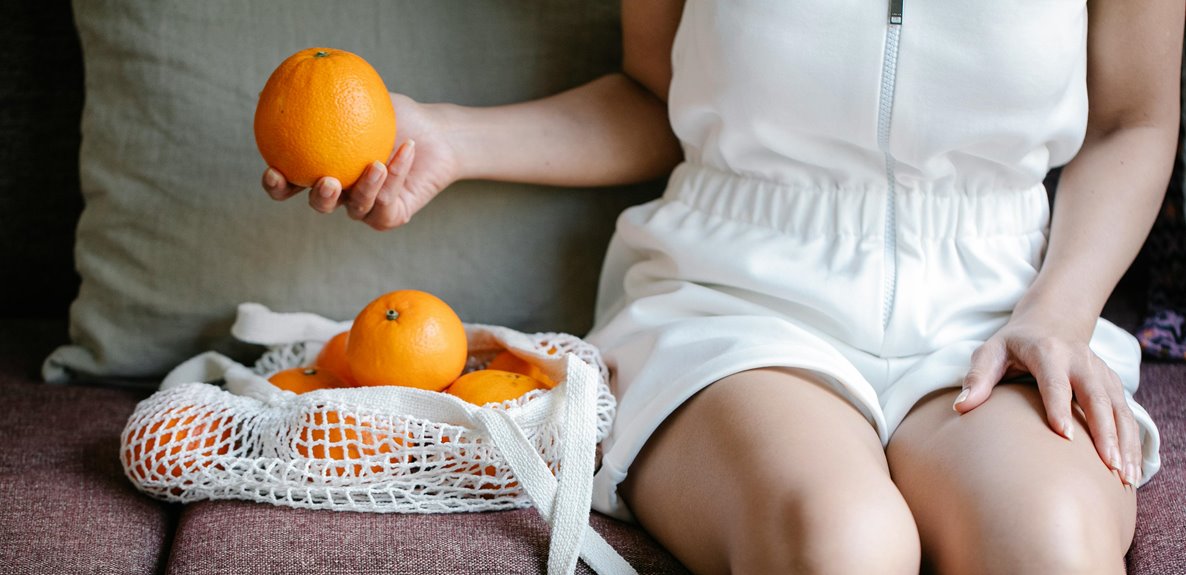
Have you ever considered the potential of citrus waste in the fashion industry? Orange Fiber, made from byproducts of oranges and lemons, is gaining attention as a sustainable alternative to traditional fabrics. This innovative material not only addresses waste but also offers unique qualities that could redefine eco-friendly textiles. As the demand for sustainable options grows, it raises an important question: could Orange Fiber be the future of fashion?
Key Takeaways
- Orange fiber transforms citrus waste into sustainable fabric, promoting eco-friendly fashion and reducing environmental impact.
- The production process minimizes landfill contributions and greenhouse gas emissions while conserving water and energy.
- It creates job opportunities and stimulates local economies by increasing demand for sustainable materials.
- The fabric’s luxurious texture and versatility make it suitable for various fashion applications, from casual wear to high-end designs.
- Challenges include production costs and consumer awareness, but growing demand for sustainability indicates a promising future for eco-fabrics.
The Birth of Orange Fiber: A Sustainable Innovation
When you think about fashion, citrus waste mightn’t come to mind, but that’s exactly where Orange Fiber found its inspiration. This innovative company emerged from a desire to transform the problem of leftover citrus peels into something beautiful and functional.
By harnessing the fibers from oranges and lemons, Orange Fiber creates a sustainable fabric that’s not only eco-friendly but also stylish. You’ll appreciate how this approach tackles waste while providing a fresh alternative to conventional textiles.
The creators understood that fashion can and should be responsible, making it possible for you to wear garments that contribute to a healthier planet. As you explore this eco-fabric, you’ll see how sustainability and style can coexist harmoniously in your wardrobe.
Understanding the Production Process
To understand how Orange Fiber is created, you’ll first look at the selection of source materials, primarily citrus waste.
Next, you’ll explore the cellulose extraction techniques that transform this waste into usable fiber.
Finally, you’ll see how the spinning and weaving processes bring the fabric to life, ready for your wardrobe.
Source Material Selection
Many people mightn’t realize that the fabric they wear can come from unexpected sources, like citrus waste.
When selecting source materials for eco-fabric, consider these key factors:
- Sustainability: Using byproducts from the citrus industry reduces waste.
- Availability: Citrus waste is abundant, especially in regions with large fruit production.
- Quality: The fibers derived from citrus peels can be surprisingly strong and durable.
- Innovation: This approach encourages new technologies and methods in fabric production.
Cellulose Extraction Techniques
The process of extracting cellulose from citrus waste is both fascinating and crucial for producing eco-fabric.
First, you’ll want to gather the peels and pulp leftover from juice production. Next, you’ll subject this waste to a series of treatments to break down the plant material. Typically, you’ll use water and heat to soften the fibers, followed by a chemical process to separate cellulose from hemicellulose and lignin.
This step often involves using an alkali solution, which helps dissolve unwanted components. Once purified, the cellulose can be washed and dried, ready for further processing into fibers.
Understanding these extraction techniques is crucial, as they lay the groundwork for creating sustainable fabrics from what would otherwise be discarded waste.
Spinning and Weaving Process
Once you’ve extracted and purified cellulose from citrus waste, the next step involves transforming this raw material into fabric through spinning and weaving.
This process is essential for creating a sustainable and versatile eco-fabric. Here’s how it works:
- Spinning: The cellulose fibers are spun into yarn, combining strength and flexibility.
- Dyeing: Natural or low-impact dyes can be applied to enhance color while maintaining eco-friendliness.
- Weaving: The yarn is woven into fabric, using various techniques to create different textures and patterns.
- Finishing: The final fabric undergoes finishing processes to guarantee softness and durability, making it suitable for clothing and other products.
Environmental Benefits of Citrus Waste Utilization
Utilizing citrus waste for eco-fabric offers you a chance to reduce waste and promote sustainability.
By turning leftover materials into biodegradable products, you’re not just helping the environment—you’re improving resource management too.
This innovative approach can lead to a greener future for everyone.
Waste Reduction Strategies
By transforming citrus waste into eco-fabric, you’re not just reducing landfill contributions; you’re also supporting a sustainable industry.
Embracing citrus waste utilization offers several waste reduction strategies that benefit the environment:
- Minimizes Landfill Use: Utilizing citrus byproducts keeps organic waste out of landfills.
- Promotes Circular Economy: It fosters a cycle where waste becomes valuable resources, reducing the need for virgin materials.
- Reduces Greenhouse Gas Emissions: Less waste in landfills means fewer emissions from decomposing organic matter.
- Conserves Water and Energy: Repurposing citrus waste requires less water and energy compared to traditional fabric production.
Biodegradable Material Advantages
Citrus waste doesn’t just contribute to waste reduction; it also offers significant advantages as a biodegradable material. When you choose fabrics made from orange fibers, you’re supporting an eco-friendly solution that breaks down naturally, minimizing landfill impact.
Unlike synthetic materials, which can take centuries to decompose, citrus-based fabrics return to the earth within a relatively short time. This means fewer harmful pollutants leaching into the soil and water, promoting a healthier ecosystem.
Additionally, using biodegradable materials reduces the demand for virgin resources, further lessening environmental strain. By opting for citrus waste-based fabrics, you not only enjoy unique, sustainable products but also play an active role in protecting our planet for future generations.
Resource Management Improvement
When you consider the environmental benefits of utilizing citrus waste, it becomes clear that resource management can greatly improve. By turning leftover peels and pulp into eco-fabric, you’ll help reduce waste and promote sustainability.
Here are four key benefits:
- Waste Reduction: Utilizing citrus waste decreases landfill contributions and promotes a circular economy.
- Resource Efficiency: You’ll make better use of existing agricultural byproducts, maximizing resource potential.
- Lower Carbon Footprint: Producing eco-fabrics from citrus waste reduces greenhouse gas emissions compared to conventional materials.
- Support for Local Economies: Investing in citrus waste initiatives can benefit local farmers and create new jobs in sustainable industries.
Embracing citrus waste not only helps the planet but also fosters economic growth.
Economic Impact on Local Communities
The economic impact of Orange Fiber on local communities is significant, with many towns experiencing a boost in job opportunities and income. Local farmers and manufacturers are benefiting from the increased demand for sustainable materials, creating a ripple effect that strengthens the economy.
Here’s a quick overview of how Orange Fiber influences local communities:
| Impact Area | Positive Effects | Challenges |
|---|---|---|
| Job Creation | More jobs in production | Skill gaps may exist |
| Income Generation | Higher wages for workers | Market fluctuations |
| Local Business Growth | New businesses emerging | Competition with traditional textiles |
| Sustainable Practices | Eco-friendly initiatives | Initial investment costs |
| Community Engagement | Increased local events | Need for awareness |
Technical Characteristics of Orange Fiber Fabric
When you explore orange fiber fabric, you’ll notice its unique texture and feel, making it a luxurious choice for various garments.
This fabric blends seamlessly with other materials, enhancing its versatility in fashion applications.
Whether you’re considering it for casual wear or high-end designs, orange fiber offers exciting possibilities.
Fabric Texture and Feel
Discovering the texture and feel of orange fiber fabric can be a delightful experience, as it offers a unique blend of softness and durability. You’ll appreciate its luxurious touch, which is often compared to silk.
Here are some standout characteristics you’ll notice:
- Softness: The fabric feels gentle against your skin, making it comfortable for everyday wear.
- Breathability: Orange fiber allows air circulation, keeping you cool and dry.
- Moisture-wicking: It effectively absorbs moisture, preventing discomfort during warm weather.
- Smoothness: The texture is sleek, enhancing the overall aesthetic of any garment.
With these qualities, orange fiber fabric isn’t only eco-friendly but also a pleasure to wear, making it a fantastic choice for sustainable fashion.
Blending With Other Materials
Blending orange fiber with other materials can enhance its performance and versatility in fashion.
When combined with cotton, for instance, you get a fabric that’s not only soft but also durable, making it perfect for everyday wear.
Mixing orange fiber with silk adds a luxurious sheen and improves drape, creating elegant garments that feel great against your skin.
You can also blend it with recycled polyester for added strength and moisture-wicking properties, ideal for activewear.
These combinations not only elevate the fabric’s functionality but also maintain its eco-friendly credentials.
Versatile Fashion Applications
Combining orange fiber with other materials opens the door to a range of versatile fashion applications, thanks to its unique technical characteristics.
You’ll find that this eco-fabric isn’t just sustainable, but also functional and stylish. Here are some standout features that make orange fiber perfect for fashion:
- Softness: It feels luxurious against the skin, ensuring comfort in wear.
- Breathability: Natural moisture-wicking properties keep you cool and dry.
- Durability: Strong fibers resist wear and tear, maintaining their quality over time.
- Biodegradable: When you’re done with it, it won’t sit in a landfill, making it an environmentally friendly choice.
With these advantages, orange fiber is paving the way for innovative fashion solutions.
Applications in the Fashion Industry
As the fashion industry seeks sustainable solutions, Orange Fiber emerges as a revolutionary eco-fabric, transforming citrus waste into stylish textiles.
You’ll find this innovative material used in everything from trendy dresses to fashionable accessories, providing a unique alternative to conventional fabrics. Designers are embracing its smooth texture and vibrant colors, making it perfect for high-end collections and everyday wear alike.
Plus, Orange Fiber’s lightweight nature guarantees comfort without compromising style. By incorporating this eco-fabric into their lines, brands not only appeal to eco-conscious consumers but also contribute to reducing waste.
Challenges Facing the Adoption of Orange Fiber
While Orange Fiber is making waves in the fashion industry for its sustainability and unique properties, several challenges hinder its widespread adoption. You might find these obstacles essential when considering its future:
- Production Costs: The extraction and processing of fibers from citrus waste can be expensive, limiting affordability.
- Supply Chain Limitations: Availability of raw materials can be inconsistent, affecting production continuity.
- Consumer Awareness: Many shoppers still don’t know about Orange Fiber, making it hard for brands to promote it effectively.
- Durability Concerns: Some manufacturers worry about the wear and tear of Orange Fiber compared to traditional fabrics.
Overcoming these hurdles is crucial for Orange Fiber to truly shine in the sustainable fashion landscape.
The Role of Public Awareness in Sustainable Fashion
Public awareness plays an essential role in the success of sustainable fashion, especially when it comes to innovative materials like Orange Fiber.
When you understand the environmental impact of fast fashion, you’re more likely to seek alternatives that promote sustainability. By sharing information about eco-friendly fabrics, you can help shift consumer preferences towards brands that prioritize ethical practices.
Social media, blogs, and community events are powerful tools to raise awareness, allowing you to connect with others who care about the planet.
Engaging conversations about the benefits of using citrus waste can inspire brands to adopt sustainable practices and encourage consumers to support these initiatives.
Ultimately, your awareness and choices can drive demand for materials that contribute to a greener future.
Future Potential of Eco-Fabrics
Raising awareness about sustainable fashion opens the door to exploring the future potential of eco-fabrics like Orange Fiber.
As consumers shift toward greener choices, eco-fabrics can play a crucial role in the industry. Here’s what you should consider:
- Innovative Materials: Eco-fabrics can utilize agricultural waste, reducing landfill waste while creating high-quality textiles.
- Reduced Environmental Impact: These fabrics often require less water and energy to produce compared to traditional textiles.
- Market Demand: As more brands prioritize sustainability, the demand for eco-fabrics is likely to rise.
- Versatility: Eco-fabrics can be used in various applications, from clothing to home goods, expanding their market potential.
Embracing eco-fabrics paves the way for a more sustainable fashion future.
Comparisons With Traditional Textile Materials
As you explore the differences between eco-fabrics like Orange Fiber and traditional textile materials, you’ll notice significant contrasts in sustainability and production methods.
Traditional fabrics, such as cotton and polyester, often rely on resource-intensive processes that harm the environment. In contrast, Orange Fiber uses citrus waste, reducing food waste and minimizing resource consumption.
Moreover, the production of Orange Fiber requires less water and energy, making it a more eco-friendly choice.
While conventional fabrics can contribute to pollution and waste, Orange Fiber promotes a circular economy by repurposing materials that would otherwise be discarded.
Ultimately, choosing Orange Fiber not only supports sustainable practices but also offers a unique, luxurious texture that can rival traditional textiles.
You’ll feel good about wearing eco-conscious fashion.
Frequently Asked Questions
How Does Orange Fiber Compare to Other Sustainable Fabrics?
Imagine wearing a fabric that feels as fresh as summer citrus. Orange fiber stands out among sustainable fabrics for its softness and biodegradability, offering you a stylish choice while reducing waste and supporting eco-friendly practices.
Is Orange Fiber Suitable for All Skin Types?
You’ll find that orange fiber is generally suitable for all skin types, as it’s soft and breathable. However, if you have sensitive skin, it’s best to test it first to avoid any irritation.
Can Orange Fiber Be Treated Like Traditional Fabrics During Washing?
You can treat orange fiber like traditional fabrics during washing. Just use mild detergents and avoid harsh chemicals. Always check care labels for specific instructions to guarantee your garments maintain their quality and longevity.
What Certifications Does Orange Fiber Have for Sustainability?
When you explore sustainability certifications, you’ll find that orange fiber boasts Oeko-Tex certification, confirming it’s free from harmful substances, and GOTS certification, ensuring organic standards are met, making it a responsible choice for eco-conscious consumers.
Where Can I Purchase Clothing Made From Orange Fiber?
You can purchase clothing made from orange fiber through various sustainable fashion brands online. Check websites like Etsy, or specific sustainable retailers that focus on eco-friendly fabrics for their latest collections featuring this innovative material.