
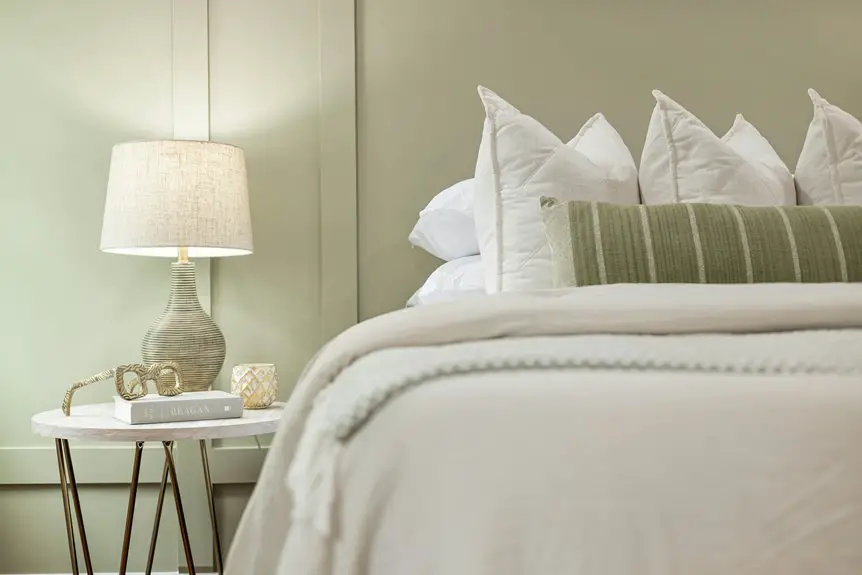
If you want furniture and bedding that’s durable, comfortable, and eco-friendly, nonwoven fabric is a smart choice. It’s made by bonding fibers quickly without weaving, offering strength, breathability, and moisture control. You’ll find it in mattress layers, liners, and upholstery, delivering softness and long-lasting support. Plus, it’s cost-effective and reduces environmental impact through recycled materials and less waste. Keep exploring to see how nonwoven fabrics transform your home’s comfort and style.
Key Takeaways
- Nonwoven fabric enhances furniture and bedding durability by providing strong, tear-resistant, and moisture-managing layers.
- It improves comfort through breathability, temperature regulation, and softness in mattresses and pillows.
- Production of nonwoven fabrics is cost-effective, energy-efficient, and reduces material waste.
- Nonwoven materials support sustainability by using recycled fibers and minimizing environmental impact during manufacturing and transport.
- Innovations include smart textiles with stain resistance and customizable designs, meeting evolving consumer preferences for eco-friendly comfort.
What Is Nonwoven Fabric and How Is It Made?
Nonwoven fabric is a versatile material made by bonding fibers together without weaving or knitting. Instead of interlacing threads, it uses techniques like heat, pressure, or adhesives to fuse fibers into a cohesive sheet.
You’ll find these fabrics created through methods such as spunbonding, where continuous filaments are laid out and bonded, or needle punching, which mechanically entangles fibers. Another common process is meltblowing, where melted polymers form fine fibers that bond upon cooling.
These processes let manufacturers control the fabric’s thickness, strength, and texture to suit various needs. Since you don’t rely on traditional weaving, nonwoven fabrics can be produced quickly and in large quantities, making them ideal for applications where durability and flexibility matter without the complexity of woven patterns.
Advantages of Using Nonwoven Fabric in Furniture
You’ll find that using nonwoven fabric in furniture boosts durability and strength, making pieces last longer.
It also enhances comfort by allowing better breathability, so your furniture feels more inviting.
Plus, it offers cost-effective manufacturing benefits, helping keep prices reasonable without sacrificing quality.
Enhanced Durability and Strength
Although furniture faces constant wear and tear, choosing materials that offer enhanced durability makes all the difference.
When you use nonwoven fabric, you benefit from its impressive strength and resistance to stretching or tearing. This fabric’s unique manufacturing process bonds fibers tightly, giving it a robust structure that stands up to daily use. You won’t have to worry about your furniture’s lining or upholstery weakening quickly.
Nonwoven fabrics resist abrasion better than many traditional textiles, so your pieces maintain their shape and appearance longer. Plus, they handle pressure and weight without losing integrity, ensuring your furniture stays supportive and reliable.
Improved Comfort and Breathability
When you spend time on furniture, comfort matters just as much as durability. Nonwoven fabric plays a key role in enhancing your seating or bedding experience by improving breathability.
Unlike traditional materials, nonwoven fabrics allow air to circulate freely, reducing heat buildup and moisture accumulation. This means you’ll feel cooler and fresher, even during long periods of use.
The soft texture of nonwoven fabric also cushions your body gently, adding a layer of comfort without compromising support. Because these fabrics can be engineered for specific softness and thickness, manufacturers tailor them to suit your comfort needs perfectly.
Cost-Effective Manufacturing Benefits
Because nonwoven fabrics require less processing than traditional textiles, manufacturers can produce furniture components more quickly and affordably.
When you choose nonwoven materials, you cut down on labor and energy costs, which means you get quality products without the premium price.
Nonwovens’ streamlined production also reduces waste, helping you save on materials and disposal expenses.
Plus, their lightweight nature lowers shipping costs, making logistics simpler and cheaper.
By incorporating nonwoven fabrics, you speed up assembly lines and minimize production delays, so your furniture reaches the market faster.
Ultimately, these cost-effective manufacturing benefits allow you to offer competitive pricing while maintaining durability and comfort, making nonwoven fabrics a smart choice for both producers and consumers in the furniture and bedding industry.
Applications of Nonwoven Fabric in Bedding Products
If you’ve ever wondered what makes bedding comfortable and durable, nonwoven fabrics play an essential role behind the scenes.
These materials enhance your bedding experience by providing vital functions you mightn’t immediately notice.
Here are three key applications of nonwoven fabric in bedding products:
- Comfort Layers: Nonwoven fabrics offer softness and cushioning, improving mattress and pillow comfort without adding bulk.
- Moisture Control: They wick away moisture, keeping your bedding dry and fresh throughout the night.
- Durability and Support: Used as backing or lining, they add strength and stability, extending the life of mattresses and mattress covers.
Comparing Nonwoven Fabric to Traditional Woven Textiles
Although both nonwoven fabrics and traditional woven textiles serve important roles in furniture and bedding, they differ markedly in structure and performance.
You’ll find woven textiles made by interlacing yarns, giving them strength and durability ideal for upholstery surfaces. Nonwoven fabrics, however, bond fibers through heat, chemicals, or pressure, creating lightweight, breathable materials that offer excellent cushioning and insulation.
When you choose nonwoven fabrics, you benefit from faster production and cost-effectiveness without sacrificing comfort. Yet, woven textiles often provide superior abrasion resistance and aesthetic appeal, which matter for visible furniture parts.
Understanding these differences helps you select the right fabric based on your needs—whether you prioritize durability, comfort, or cost-efficiency in your furniture and bedding products.
Environmental Impact and Sustainability of Nonwoven Fabrics
You’ll want to contemplate how eco-friendly material choices affect the sustainability of nonwoven fabrics in your furniture and bedding.
Understanding the potential for recycling and biodegradability can help you make greener decisions.
Let’s explore how these factors impact the environment and your product’s footprint.
Eco-Friendly Material Choices
Because nonwoven fabrics can be produced using recycled materials and require less energy than traditional textiles, they offer a more sustainable option for furniture and bedding.
When you choose eco-friendly nonwoven fabrics, you’ll reduce your environmental footprint without sacrificing quality.
Here are three key benefits to evaluate:
- Lower resource consumption: Nonwovens often use less water and energy during production compared to woven fabrics.
- Reduced chemical use: Many nonwovens are made without harsh dyes or finishes, minimizing toxic runoff.
- Lightweight design: Their lightness cuts transportation emissions and packaging waste, helping the planet further.
Recycling and Biodegradability
When you consider the full lifecycle of nonwoven fabrics, recycling and biodegradability play crucial roles in their environmental impact.
You’ll find that many nonwoven materials used in furniture and bedding are made from synthetic fibers, which can be challenging to recycle. However, advances in recycling technologies now allow these fabrics to be processed into new products, reducing waste.
Additionally, some manufacturers use biodegradable fibers or blends, which break down more easily in natural environments, lessening landfill burden. By choosing nonwovens designed for recyclability or biodegradability, you actively support sustainability efforts.
Understanding these factors helps you make informed decisions that minimize environmental harm and promote a circular economy in the furniture and bedding industry.
Innovations in Nonwoven Fabric Technology for Comfort
Advancements in nonwoven fabric technology have transformed how comfort is delivered in furniture and bedding.
You now enjoy materials that adapt better to your body and environment. Here are three key innovations enhancing comfort:
- Temperature Regulation: New nonwovens incorporate phase-change materials that absorb and release heat, keeping you cool or warm as needed.
- Enhanced Breathability: Improved fiber structures allow better air circulation, reducing moisture buildup and enhancing skin comfort.
- Softness and Resilience: Advanced bonding techniques create fabrics that feel plush yet maintain their shape, providing lasting comfort.
With these innovations, you get furniture and bedding that not only feel great but also support your well-being throughout the day and night.
Nonwoven fabrics are truly changing the comfort game for you.
Cost-Effectiveness of Nonwoven Materials in Manufacturing
Although nonwoven fabrics offer impressive comfort benefits, you’ll also find they markedly reduce manufacturing costs.
These materials require less energy and time to produce compared to woven fabrics, streamlining your production process. Since nonwovens can be manufactured in large rolls, you minimize waste and simplify cutting, which lowers material expenses.
Plus, their lightweight nature reduces shipping costs, saving you money throughout the supply chain. You won’t need complex machinery or extensive labor, as nonwoven fabric production is more automated and efficient.
This combination of factors means you can maintain competitive pricing without compromising quality. Choosing nonwoven materials lets you optimize your budget while delivering comfortable, high-quality furniture and bedding products to your customers.
Enhancing Durability and Longevity With Nonwoven Fabrics
Beyond cost savings, nonwoven fabrics greatly boost the durability and longevity of furniture and bedding products.
Nonwoven fabrics significantly enhance the durability and lifespan of furniture and bedding products beyond just cost savings.
When you use these materials, you guarantee your items withstand daily wear and tear better.
Here’s how nonwoven fabrics enhance durability:
- Resistance to Abrasion: They handle friction well, preventing fabric wear and extending product life.
- Moisture Management: Their breathable structure reduces moisture buildup, protecting internal components from damage.
- Tear Strength: Nonwovens offer strong resistance to tearing, keeping cushions and mattress layers intact longer.
Consumer Preferences and Market Trends
You’re noticing more people want furniture and bedding that feel comfortable and use eco-friendly materials.
Innovations in nonwoven fabric design are meeting these demands while keeping products affordable.
Let’s explore how these market trends shape what you’ll find in stores.
Rising Demand for Comfort
As consumers seek more comfort in their living spaces, the demand for nonwoven fabrics in furniture and bedding has surged.
You’ll notice these fabrics enhance softness, breathability, and durability, directly improving your daily comfort.
Manufacturers are responding by integrating nonwoven materials that offer:
- Superior cushioning that adapts to your body, providing better support.
- Enhanced moisture-wicking properties, keeping you dry and cozy.
- Lightweight yet resilient fabrics that maintain shape and comfort over time.
Eco-Friendly Material Trends
Comfort plays a big role in your choices, but many shoppers today also prioritize sustainability when picking furniture and bedding.
You’re likely noticing more products made with eco-friendly nonwoven fabrics that reduce environmental impact without sacrificing quality. These materials often come from recycled fibers or renewable sources, helping cut down on waste.
You want products that not only feel good but also align with your values, and manufacturers are responding by offering greener options. Market trends show a clear shift toward transparency, with brands highlighting certifications and sustainable practices.
By choosing nonwoven fabrics with eco-conscious credentials, you support a circular economy and encourage more responsible production in the furniture and bedding industry.
Your preferences are driving meaningful change toward a cleaner, more sustainable future.
Innovations in Fabric Design
While nonwoven fabrics have long been valued for their practicality, recent innovations in design are reshaping how you experience furniture and bedding.
Today’s nonwoven materials blend comfort, durability, and style to meet your evolving preferences. You’ll notice advances in texture, breathability, and aesthetics that elevate everyday products.
Here are three key innovations driving these changes:
- Smart Textiles: Fabrics that regulate temperature and resist stains, keeping your bedding fresh and furniture comfortable.
- Enhanced Comfort: Softer, more flexible nonwovens that feel luxurious while maintaining strength.
- Customizable Designs: Patterns and colors tailored to your personal taste, allowing unique interior expressions.
These trends show how nonwoven fabric design keeps pace with your desire for both function and flair in home furnishings.
Future Prospects for Nonwoven Fabric in the Industry
Though nonwoven fabrics have already transformed furniture and bedding, their future holds even greater potential.
You’ll see advancements in sustainability as manufacturers develop eco-friendly, biodegradable nonwovens, reducing environmental impact.
Expect enhanced comfort and durability through innovative fiber blends and smarter production techniques, making your furniture last longer and feel better.
Innovative fibers and advanced production boost comfort and durability, extending your furniture’s lifespan and feel.
Nonwovens will also integrate with smart technologies, offering features like moisture control and temperature regulation to improve your sleeping and sitting experience.
As customization grows, you’ll find nonwoven fabrics tailored to specific design and functional needs, giving you more options than ever.
Frequently Asked Questions
How Do Nonwoven Fabrics Affect Indoor Air Quality in Homes?
Imagine breathing in unseen particles every day. You’ll find nonwoven fabrics can trap dust and allergens, improving indoor air quality. But if poorly made, they might release chemicals, so you should choose carefully to keep your home healthy.
Are Nonwoven Fabrics Hypoallergenic for Sensitive Individuals?
You’ll find many nonwoven fabrics hypoallergenic because they resist dust mites and allergens. However, always check product details since some might contain chemicals or fibers that could trigger sensitivities in certain individuals.
What Are the Fire Resistance Standards for Nonwoven Furniture Fabrics?
You need to follow standards like California TB117-2013 and ASTM E84 for fire resistance. These regulations guarantee fabrics resist ignition and slow flame spread, keeping furniture safer and compliant with legal requirements.
Can Nonwoven Fabrics Be Recycled After Use in Furniture?
Think of used nonwoven fabrics as puzzle pieces scattered after a party—you can recycle them, but it’s tricky. You’ll need specialized facilities since blending fibers complicates the process, yet recycling is possible with effort and care.
How Do Nonwoven Fabrics Influence the Weight of Bedding Products?
You’ll find nonwoven fabrics greatly reduce bedding weight because they’re lightweight yet durable. This makes your bedding easier to handle and transport without sacrificing comfort or support, enhancing your overall sleeping experience.