
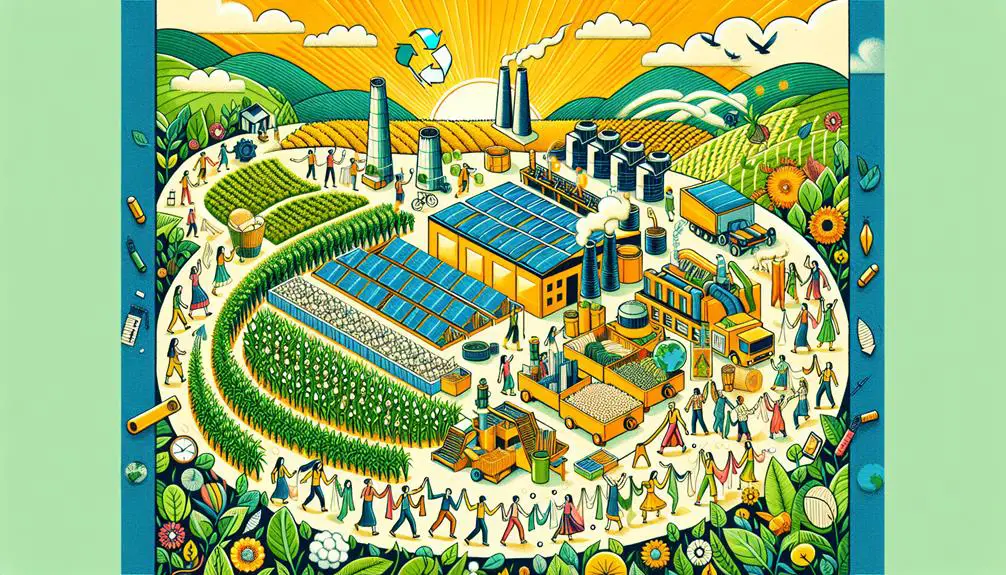
Consider the case of Patagonia, a company known for its commitment to eco-friendly textiles. You start by understanding how organic cotton, bamboo, or hemp are sourced using sustainable farming techniques that reduce environmental impact. But it's not just about the raw materials; the manufacturing process also matters. Low-impact dyes and ethical labor practices play an important role in maintaining sustainability. As a consumer, your role doesn't end at purchase—proper care can greatly extend a textile's lifespan. Eventually, recycling or biodegradation completes the cycle. So, how does each step contribute to a circular economy?
Key Takeaways
- Sustainable Raw Materials: Use organic cotton and bamboo, grown without harmful chemicals and with minimal environmental impact.
- Eco-Friendly Farming Practices: Implement regenerative agriculture techniques like crop rotation and efficient irrigation to enhance soil health and conserve water.
- Green Manufacturing Techniques: Employ low-impact dye processes and recycled materials to minimize resource usage and environmental footprint.
- Ethical Labor Practices: Ensure fair wages, safe working conditions, and transparency throughout the supply chain to promote social responsibility.
- Recycling and Biodegradation: Support textile reclamation programs and choose biodegradable fabrics to reduce waste and enhance sustainability.
Sustainable Raw Materials
When choosing eco-friendly textiles, look for sustainable raw materials like organic cotton, bamboo, and hemp.
Organic cotton stands out because it's grown without harmful pesticides or synthetic fertilizers, making it a healthier option for both the environment and your skin. You'll find that organic cotton maintains the softness and breathability you love while greatly reducing water usage and soil degradation compared to conventional cotton.
Bamboo fiber is another excellent choice. It grows rapidly without the need for chemical fertilizers or pesticides, making it a highly renewable resource. Plus, bamboo fiber is naturally antibacterial and moisture-wicking, ensuring your textiles stay fresh and comfortable. The process of converting bamboo into fiber can be environmentally friendly when mechanical methods are used, so always check for certifications ensuring eco-conscious processing.
Selecting materials like organic cotton and bamboo fiber not only supports sustainable agriculture but also promotes a healthier planet. By understanding the properties and benefits of these raw materials, you're making informed choices that contribute to a more sustainable textile industry.
Mastering this knowledge empowers you to make better decisions for your wardrobe and the environment.
Eco-Friendly Farming Practices
Understanding sustainable raw materials is just the beginning; adopting eco-friendly farming practices is equally important for creating truly green textiles.
You need to prioritize soil health to guarantee the long-term viability of your crops. Healthy soil not only supports robust plant growth but also sequesters carbon, mitigating climate change. By using organic pesticides, you can protect your crops without harming beneficial insects or contaminating the soil and water.
Water conservation is another vital aspect. Efficient irrigation systems like drip irrigation can reduce water usage substantially, making sure that you're not depleting local water resources. Rainwater harvesting can further supplement your water needs, making your farming practices more sustainable.
Regenerative agriculture offers a holistic approach to eco-friendly farming. By incorporating techniques such as crop rotation, cover cropping, and reduced tillage, you can improve soil health and increase biodiversity. These practices also help in retaining soil moisture, reducing the need for excessive watering.
Green Manufacturing Techniques
When you explore green manufacturing techniques, you'll find that sustainable material sourcing is essential.
Low-impact dye processes reduce harmful chemical use, and energy-efficient production methods minimize carbon footprints.
These practices guarantee eco-friendly textiles are produced responsibly from start to finish.
Sustainable Material Sourcing
Sustainable material sourcing starts with choosing fibers that have a minimal environmental impact, like organic cotton or recycled polyester. Organic cotton, grown without synthetic pesticides or fertilizers, often relies on regenerative agriculture practices. These methods aim to restore soil health, enhance biodiversity, and capture carbon, making your choice of organic cotton not just better for the environment, but also supportive of long-term agricultural sustainability.
Another excellent option is bamboo fiber. Bamboo grows quickly and requires minimal water, making it an eco-friendly raw material. When processed in closed-loop systems, bamboo fiber production becomes even more sustainable. Closed-loop systems recycle water and chemicals used during production, minimizing waste and environmental contamination. By selecting bamboo fiber sourced through these methods, you contribute to a more sustainable textile industry.
Recycled polyester is another key player in sustainable material sourcing. It reduces reliance on virgin petroleum and diverts plastic waste from landfills.
Low-Impact Dye Processes
In the quest for greener textiles, low-impact dye processes play an important role in minimizing environmental harm. By adopting these innovative methods, you can achieve vibrant colors while reducing your ecological footprint.
Here's how you can master the art of low-impact dyeing:
- Natural Pigments: Opt for dyes derived from plants, fruits, and minerals. They're biodegradable and reduce reliance on synthetic chemicals, promoting a healthier ecosystem.
- Water Conservation: Implement techniques that require less water. Closed-loop systems and low-water immersion dyeing can drastically cut down water usage, preserving this precious resource.
- Non-Toxic Fixatives: Use fixatives that don't pose a threat to the environment. Eco-friendly mordants such as alum or natural tannins ensure that the dye bonds well with the fabric without releasing harmful substances.
- Energy Efficiency: While avoiding overlap with energy-efficient production methods, it's important to mention that some low-impact dye processes naturally consume less energy by operating at lower temperatures.
Energy-Efficient Production Methods
Building on low-impact dye processes, integrating energy-efficient production methods further enhances the sustainability of eco-friendly textiles. You can begin by incorporating renewable energy sources, such as solar and wind power, into your manufacturing operations. Using renewable energy not only reduces your carbon footprint but also cuts long-term operating costs.
Next, focus on waste reduction. By implementing closed-loop systems, you can recycle water and other resources utilized during production. This approach minimizes waste and ensures that fewer raw materials are required for subsequent batches.
You should also consider investing in machinery that optimizes energy use. For example, high-efficiency boilers and advanced heat recovery systems can significantly decrease energy consumption.
Moreover, adopting lean manufacturing techniques will streamline your production process. Lean methods eliminate unnecessary steps and decrease waste, making your operations more efficient. You should also stay updated with technological advancements that offer additional energy savings and waste reduction opportunities.
Lastly, educate your team about the importance of energy-efficient practices. When everyone is aligned, it cultivates a culture of sustainability that permeates every aspect of your business.
Ethical Labor Practices
When exploring eco-friendly textiles, you should consider ethical labor practices as an essential factor.
Ensuring Fair Trade Certification, safe working conditions, and living wage initiatives not only supports workers but also enhances the overall sustainability of the product.
Fair Trade Certification
Fair Trade Certification guarantees that the people producing your eco-friendly textiles work in safe conditions and receive fair wages. But it's more than just a label; it's a commitment to ethical labor practices throughout the entire supply chain. By choosing Fair Trade Certified products, you support a system that emphasizes transparency and accountability, safeguarding every step of the production process meets rigorous ethical standards.
Here's how Fair Trade Certification empowers you to make a difference:
- Fair Wages: Workers receive fair compensation, allowing them to support their families and communities.
- Safe Working Conditions: Producers work in environments that prioritize their health and safety.
- Community Development: A portion of Fair Trade premiums goes back into the community, funding education, healthcare, and other essential services.
- Environmental Stewardship: Sustainable practices are enforced, reducing the environmental footprint of textile production.
When you choose Fair Trade Certified textiles, you're not just buying a product; you're endorsing a movement. This certification ensures that ethical labor practices are woven into the fabric of each item, fostering a more equitable and sustainable world.
Safe Working Conditions
Ensuring safe working conditions is vital for protecting the health and well-being of textile workers. You must prioritize worker safety by implementing rigorous safety standards and protocols. This includes proper ventilation, protective gear, and regular inspections to minimize risks, such as exposure to hazardous chemicals or machinery accidents. By doing so, you not only safeguard the workers but also enhance their productivity and morale.
Achieving ethical labor practices goes beyond safety; it encompasses fair wages. Paying fair wages guarantees that workers can sustain their families and live with dignity. This, in turn, reduces turnover and fosters a loyal, skilled workforce. When you commit to fair wages and safe environments, you're contributing to a sustainable and ethical supply chain.
Moreover, transparency is essential. You should regularly audit your factories and supply chains, ensuring compliance with safety regulations and wage standards. Publicly sharing these audits reinforces your commitment to ethical practices and builds trust with consumers who value integrity and sustainability.
Ultimately, prioritizing worker safety and fair wages isn't just the right thing to do—it's a strategic advantage. Companies that invest in ethical labor practices often see improved brand reputation, customer loyalty, and long-term success.
Living Wage Initiatives
Living wage initiatives guarantee that textile workers receive adequate compensation to meet their basic needs and maintain a decent standard of living. By upholding fair compensation, these initiatives uphold labor rights and promote social responsibility within the textile industry. When you support brands that prioritize ethical wages, you're contributing to a system that respects and values its workforce.
Implementing living wage initiatives involves several critical steps:
- Assessing Local Needs: Determine the cost of living in the region where the workers are employed. This includes housing, food, healthcare, and education expenses.
- Transparent Wage Policies: Develop clear, accessible wage policies that detail how wages are calculated and ensure they meet or exceed the living wage threshold.
- Regular Wage Reviews: Conduct periodic reviews to adjust wages according to inflation and changes in the cost of living.
- Worker Involvement: Engage workers in discussions about wages and working conditions to make sure their voices are heard and respected.
Consumer Use and Care
Proper care during consumer use extends the lifespan of eco-friendly textiles and maintains their sustainability benefits. When washing these textiles, always follow the provided washing instructions to prevent damage and wear. Use cold water and eco-friendly detergents to reduce environmental impact. Avoid harsh chemicals and opt for natural stain removers.
Storage also plays an essential role in maintaining your textiles. Store them in a cool, dry place away from direct sunlight to prevent fading and deterioration. Fold them neatly to avoid stretching and creasing.
| Aspect | Tips | Benefits |
|---|---|---|
| Washing Instructions | Use cold water and eco-friendly detergents | Reduces energy use and chemical runoff |
| Storage Tips | Cool, dry place away from sunlight | Prevents fading and deterioration |
| Repurposing Ideas | Turn old textiles into rags or crafts | Extends product life and reduces waste |
| Eco-Friendly Detergents | Choose biodegradable options | Minimizes environmental impact |
Repurposing ideas can breathe new life into old textiles. Turn worn-out items into cleaning rags or creative crafts, ensuring they serve a purpose long after their initial use. By doing so, you reduce waste and contribute to a circular economy.
Incorporate these practices into your routine and you'll master the art of sustainable textile care, ensuring your eco-friendly fabrics remain functional and beautiful for years.
Recycling and Biodegradation
Recycling and biodegradation are important for the sustainable disposal of eco-friendly textiles. You play a pivotal role in ensuring that textiles don't end up in landfills, where they contribute to pollution. By understanding textile reclamation, you can help reincorporate materials into the circular economy, promoting sustainability.
When considering eco-friendly textiles, look for those made from compostable fibers and biodegradable fabrics. These materials break down naturally, reducing environmental impact. Here's how you can make a difference:
- Textile Reclamation Programs: Participate in programs that collect and repurpose old textiles. Brands like Patagonia and H&M have initiatives to reclaim and recycle worn-out garments.
- Compostable Fibers: Choose fabrics made from organic materials, such as hemp or bamboo. These fibers can be composted, enriching the soil rather than polluting it.
- Biodegradable Fabrics: Prioritize purchasing textiles that break down naturally. Fabrics like organic cotton, wool, and Tencel decompose more quickly than synthetics.
- Support the Circular Economy: Engage in practices that keep textiles in use longer, whether through repairs, second-hand shopping, or upcycling projects. This reduces the need for new raw materials and minimizes waste.
Frequently Asked Questions
What Are the Future Trends in Eco-Friendly Textile Innovation?
You'll see sustainable fashion and green technology dominating future textile innovations. Expect advancements in biodegradable fabrics, recycling methods, and energy-efficient production processes. These trends will redefine the industry, making eco-friendly choices mainstream and accessible.
How Do Eco-Friendly Textiles Impact Global Water Consumption?
Eco-friendly textiles reduce water usage through sustainable manufacturing. They lower the environmental impact of the entire textile industry. You'll see fewer pollutants and less wastewater, leading to a healthier planet and more efficient resource management.
What Certifications Should Consumers Look for in Eco-Friendly Textiles?
Imagine a badge of honor. Look for certifications like GOTS and OEKO-TEX to guarantee sustainable sourcing and organic materials. These labels act as your guide, guaranteeing you make informed, eco-friendly textile choices.
How Can Consumers Identify Greenwashing in Textile Marketing?
To detect greenwashing, bolster your consumer awareness by critically analyzing marketing ethics. Scrutinize sustainability claims, look for third-party certifications, and research the brand's practices. This vigilance guarantees you're not misled by deceptive marketing.
Are There Governmental Incentives for Companies Producing Eco-Friendly Textiles?
Imagine reaping unexpected rewards. Yes, there are government incentives for companies adopting sustainable practices. By producing eco-friendly textiles, you can access financial benefits and support, encouraging a greener future while boosting your business's growth.