
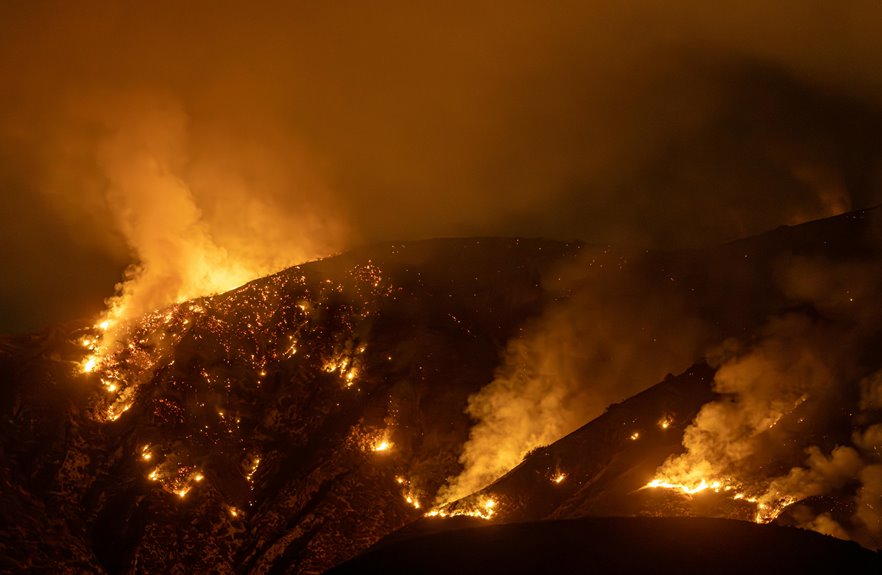
You depend on Kevlar fabric because it offers unmatched heat resistance and durability that keep firefighters safe in extreme conditions. Kevlar’s high thermal stability resists melting and igniting, while its low thermal conductivity limits heat transfer, protecting you from burns. It also resists tears and sharp debris, offering flexibility and toughness your gear needs. Compared to other materials, Kevlar balances protection, comfort, and cost-effectiveness. Discover how Kevlar transforms safety and performance in firefighting.
Key Takeaways
- Kevlar’s high thermal stability and low thermal conductivity provide critical protection by resisting extreme heat without melting or igniting.
- Its exceptional strength and cut resistance protect firefighters from sharp debris and structural hazards during rescues.
- Lightweight yet durable Kevlar fabric allows firefighters to move freely and endure wear and tear in harsh conditions.
- Compared to other materials, Kevlar balances heat resistance, flexibility, and cost-effectiveness, making it ideal for firefighting gear.
- Kevlar’s durability and heat resistance have saved lives by protecting responders in extreme fire and rescue scenarios.
The Unique Properties of Kevlar Fabric
Kevlar fabric stands out because of its exceptional strength and heat resistance, making it ideal for firefighters. When you wear Kevlar gear, you benefit from its lightweight yet incredibly durable fibers, which resist tears and punctures better than many other materials.
You’ll notice it’s also flexible, allowing you to move freely during critical moments. Kevlar’s high tensile strength means it can withstand extreme stress without breaking, giving you reliable protection in dangerous environments.
Plus, its resistance to abrasion guarantees your gear lasts longer, even with frequent use. As a firefighter, you need materials that don’t just protect but also support your demanding tasks—and Kevlar delivers that balance perfectly.
It’s designed to keep you safe while you focus on saving lives.
How Kevlar Provides Heat Resistance
Because you face intense heat regularly, your gear must shield you effectively, and this is where Kevlar excels.
Kevlar’s heat resistance comes from its unique molecular structure and design, which helps protect you in dangerous environments. Here’s how it works:
Kevlar’s unique molecular design provides exceptional heat resistance, offering vital protection in hazardous conditions.
- High Thermal Stability: Kevlar fibers endure extreme temperatures without melting or igniting, keeping your gear intact under fire exposure.
- Low Thermal Conductivity: It slows heat transfer, reducing the risk of burns by preventing heat from reaching your skin quickly.
- Strong Molecular Bonds: The polymer chains in Kevlar form tight, durable bonds that resist thermal degradation, maintaining strength even under heat stress.
Comparing Kevlar With Other Fire-Resistant Materials
When you compare Kevlar to other fire-resistant materials, you’ll notice differences in thermal resistance, durability, and flexibility.
You also have to take into account cost and availability when choosing the best option for firefighting gear.
Let’s explore how Kevlar stacks up against the competition in these key areas.
Thermal Resistance Comparison
Several fire-resistant materials compete with Kevlar in thermal protection, each offering unique strengths. When you compare these fabrics, thermal resistance varies based on composition and design.
- Nomex: Like Kevlar, Nomex resists heat and flames but generally offers slightly lower thermal protection. It excels in insulating against short bursts of high heat.
- PBI: This fabric provides superior thermal resistance, especially in extreme conditions, but comes at a higher cost and weight.
- Carbon Fibers: These have excellent heat resistance but can be brittle, limiting their practical use in flexible firefighter gear.
When choosing gear, you’ll find Kevlar balances excellent thermal resistance with cost-effectiveness, making it a trusted choice in firefighter apparel.
Durability and Flexibility
Although thermal resistance is crucial, durability and flexibility play an equally important role in firefighter gear. When you’re battling intense heat and unpredictable environments, your gear must withstand wear and tear without restricting your movements.
Kevlar excels here because it’s incredibly strong and resistant to abrasion, unlike some fire-resistant materials that can degrade faster under stress. Plus, Kevlar’s flexibility allows you to move freely, which is essential when maneuvering through tight spaces or carrying heavy equipment.
Materials like Nomex offer good heat protection but aren’t as durable or flexible as Kevlar. So, if you want gear that holds up under pressure and moves with you, Kevlar’s combination of toughness and pliability makes it a smart choice for firefighters.
Cost and Availability
Because firefighter gear needs to balance performance with budget, understanding the cost and availability of materials like Kevlar is essential. Kevlar tends to be more expensive than some other fire-resistant fabrics, but its superior strength and heat resistance often justify the price.
When comparing Kevlar with alternatives, consider these points:
- Cost Efficiency: Kevlar may have a higher upfront cost but lasts longer, reducing replacement frequency.
- Availability: Kevlar is widely available through specialized suppliers, whereas some advanced materials can be harder to source.
- Performance vs. Price: While cheaper fabrics like Nomex offer good protection, they mightn’t match Kevlar’s durability under extreme conditions.
You’ll find that investing in Kevlar often means better safety and long-term savings despite the initial expense.
The Role of Kevlar in Firefighter Protective Clothing
When you face the dangers of firefighting, Kevlar plays an indispensable role in keeping you safe. This strong, heat-resistant fiber forms the backbone of your protective clothing, shielding you from extreme temperatures and flames.
Kevlar’s lightweight yet durable nature guarantees your gear doesn’t slow you down while offering vital protection against cuts, abrasions, and punctures. It’s woven into your turnout gear, gloves, and helmets, enhancing their toughness and longevity.
Because Kevlar resists heat and doesn’t melt or drip under intense fire, it greatly reduces burn injuries. When you rely on your equipment in life-threatening situations, Kevlar’s performance is what you count on to protect your skin and maintain mobility, giving you the confidence to focus on the mission rather than your safety.
Real-Life Applications and Success Stories
You’ve seen how Kevlar gear holds up under intense heat and sharp debris, keeping firefighters safe on the job.
In industrial settings, this fabric has prevented serious injuries during accidents.
Let’s look at real emergency rescues where Kevlar made a life-saving difference.
Firefighter Gear Performance
Although firefighter gear faces extreme conditions, Kevlar fabric consistently proves its worth by delivering unmatched durability and protection. When you rely on your gear in high-stress situations, Kevlar keeps you safe from intense heat, sharp debris, and wear over time.
Its performance is critical for firefighters who need dependable equipment every time they respond.
Here’s why Kevlar stands out in your gear:
- Heat Resistance: Kevlar withstands temperatures up to 900°F, protecting you from flames and radiant heat.
- Strength and Durability: It resists cuts, punctures, and abrasions, ensuring your gear lasts through tough missions.
- Lightweight Comfort: Despite its toughness, Kevlar remains lightweight, allowing you to move quickly and comfortably under pressure.
With Kevlar, your gear performs reliably when it matters most.
Industrial Safety Cases
Industrial safety depends heavily on materials like Kevlar that protect workers in hazardous environments. When you wear Kevlar-based gear, you reduce risks from heat, cuts, and abrasions. Many industries rely on this fabric to keep employees safe during intense operations.
Here are some real-life successes where Kevlar made a difference:
| Industry | Hazard Type | Outcome |
|---|---|---|
| Chemical Plant | Heat & Chemical | Reduced burn injuries by 40% |
| Metalworks | Sparks & Cuts | Zero severe lacerations |
| Electrical | Arc Flash | Workers escaped unscathed |
| Construction | Falling Debris | Minimized impact injuries |
Emergency Rescue Outcomes
When firefighters and emergency responders face life-threatening situations, Kevlar fabric plays an essential role in keeping them safe.
You rely on its heat resistance and durability during emergency rescues, which directly impacts outcomes.
Real-life stories show how Kevlar gear has saved lives by protecting responders from extreme heat and sharp debris.
Here are three key emergency rescue outcomes where Kevlar made a difference:
- Firefighters trapped in burning buildings escaped severe burns thanks to Kevlar suits.
- Rescue teams safely extracted victims from collapsed structures using Kevlar gloves and helmets.
- Emergency medical personnel operated in hazardous environments without injury due to Kevlar’s cut resistance.
Future Innovations in Kevlar-Based Firefighting Gear
As firefighting challenges evolve, so do the demands on Kevlar-based gear. You’ll see new innovations focusing on enhanced heat resistance and lighter materials, making your protective equipment more comfortable and effective.
Researchers are integrating smart textiles with Kevlar, allowing your gear to monitor temperature, detect toxic gases, and even track your essential signs in real time. These advancements aim to give you better situational awareness and faster response times.
Additionally, combining Kevlar with other advanced fibers improves durability without adding bulk, ensuring your gear withstands extreme conditions longer. As these technologies develop, you’ll benefit from gear that not only protects you better but also empowers you to perform more confidently in the toughest environments.
Frequently Asked Questions
How Should Kevlar Gear Be Cleaned and Maintained?
You should clean Kevlar gear gently with mild detergent and cold water, avoiding bleach or fabric softeners. Let it air dry away from direct heat. Regularly inspect for damage to maintain its protective strength.
Can Kevlar Fabric Be Recycled or Repurposed?
You might wonder if Kevlar fabric can vanish into waste—but it’s not that simple. While recycling options are limited, you can repurpose Kevlar for durable gear, giving it a new life instead of tossing it away.
What Is the Average Lifespan of Kevlar Firefighting Gear?
You can expect Kevlar firefighting gear to last about 3 to 5 years with regular use. However, its lifespan depends on exposure, wear, and proper maintenance, so always inspect your gear for damage regularly.
Are There Any Health Risks Associated With Wearing Kevlar?
Wearing Kevlar is like wrapping yourself in a protective shield, but you might face skin irritation or heat stress. You should guarantee proper fit and cooling breaks to dodge discomfort and stay safe during intense work.
How Does Kevlar Fabric Perform in Extreme Weather Conditions?
Kevlar fabric performs well in extreme weather; it resists heat, cold, and moisture. You’ll find it strong and durable, keeping you protected without compromising flexibility, even when facing harsh or fluctuating conditions.