
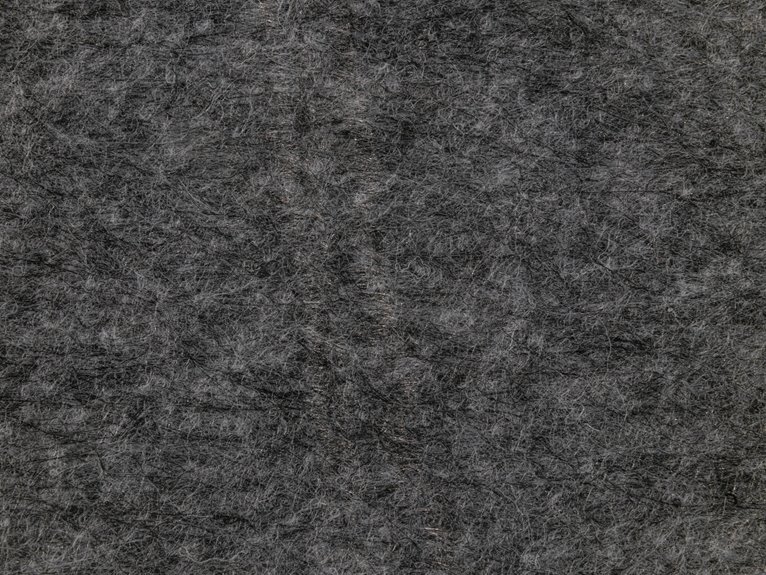
If you’re considering jute upholstery fabric, know it’s a natural, eco-friendly choice prized for durability and a rustic texture that suits casual or boho styles. It resists wear but is sensitive to moisture and sunlight, so avoid heavy traffic or spills. You’ll want to spot-clean carefully and pair it with cushions for comfort. If you want to discover practical care tips, styling ideas, and how to pick the perfect jute fabric, keep exploring these insights.
Key Takeaways
- Jute fabric is a durable, eco-friendly natural fiber ideal for upholstery in low to medium-traffic areas due to moisture sensitivity.
- Its texture varies from smooth to coarse, affecting comfort and style; additional padding may be needed for softness.
- Best suited for rustic, bohemian, or casual décor, jute pairs well with neutral tones and natural materials like wood and leather.
- Clean spills promptly with mild detergent and lukewarm water, avoid harsh scrubbing, and regularly vacuum to maintain fabric quality.
- When buying, consider fabric type, durability, sustainability certifications, personal style, and intended use to ensure satisfaction.
What Is Jute Fabric and How Is It Made?
Jute fabric comes from the natural fibers of the jute plant, which grows mainly in warm, humid regions. When you harvest jute, you strip the outer layer of the stalk, revealing long, soft fibers inside.
These fibers then undergo a process called retting, where they’re soaked in water to loosen the fibers from the stalk. Once retted, the fibers are washed, dried, and combed to align them.
Afterward, they’re spun into yarns, which you can weave into fabric. You’ll find jute fabric is coarse but surprisingly durable, thanks to its natural composition.
Since it’s made entirely from plant fibers, it’s biodegradable and eco-friendly. Understanding how jute is made helps you appreciate its role in sustainable textiles and why it’s popular for upholstery and other uses.
Key Characteristics and Benefits of Jute Upholstery
Because the fabric comes from natural fibers that are both strong and eco-friendly, it offers unique advantages when used for upholstery.
You’ll find jute upholstery is incredibly durable, resisting wear and tear better than many synthetic alternatives. Its coarse texture adds a rustic charm, lending warmth and character to your furniture.
Jute’s breathability helps regulate temperature, keeping seats cool in summer and cozy in winter. Plus, it’s biodegradable and sustainable, so you’re making an environmentally conscious choice.
You’ll also appreciate its ability to absorb dyes well, allowing for a variety of rich, natural colors.
While jute is sturdy, it’s best suited for low to medium-traffic areas since it can be prone to moisture damage if not properly treated or maintained.
Common Uses and Styling Ideas for Jute Upholstery
Many designers and homeowners choose jute upholstery for its unique blend of durability and natural appeal. You’ll find jute works beautifully on accent chairs, ottomans, and sofas, especially in casual, rustic, or bohemian settings.
Its coarse texture adds visual interest and pairs well with neutral tones and natural materials like wood and leather. When styling, try mixing jute upholstery with soft cushions or throws to balance its rough feel.
It’s also great for outdoor furniture, thanks to its sturdy weave, but keep it sheltered to avoid moisture damage.
Whether you want to create a cozy reading nook or a laid-back living room, jute upholstery offers versatility and earthiness that complements many design styles. You can easily blend it with plants and woven accessories for a cohesive, nature-inspired look.
How to Clean and Maintain Jute Upholstery Fabric
To keep your jute upholstery looking fresh, you’ll want to tackle stains quickly with gentle spot cleaning.
Avoid harsh scrubbing to prevent damaging the fibers and causing wear.
Regularly rotating cushions and minimizing direct sunlight can also help extend its life.
Spot Cleaning Tips
When spills happen on your jute upholstery fabric, it’s important to act quickly to prevent stains from setting in.
First, gently blot the spill with a clean, dry cloth—never rub, as this can push the stain deeper into the fibers.
Next, mix a small amount of mild detergent with lukewarm water. Dampen a soft cloth with the solution and gently dab the stained area.
Avoid soaking the fabric, since excess moisture can weaken jute fibers.
After cleaning, blot the spot with a dry cloth to absorb any remaining moisture.
Let the fabric air dry completely, keeping it away from direct sunlight or heat sources to prevent discoloration.
Regularly spot clean to maintain your jute’s natural beauty and extend its lifespan.
Preventing Wear and Tear
Although jute upholstery fabric offers natural durability, you’ll want to take proactive steps to prevent wear and tear.
Regularly vacuum your jute furniture with a soft brush attachment to remove dust and dirt that can abrade fibers over time. Rotate cushions and pillows frequently to guarantee even wear.
Avoid placing jute upholstery in direct sunlight, as UV rays can weaken and fade the fabric. When cleaning, use mild, water-free spot cleaners to avoid water damage since jute absorbs moisture easily.
If you spill something, blot immediately with a dry cloth—never rub. Consider using fabric protectors designed for natural fibers to add a barrier against stains.
With these simple habits, you’ll keep your jute upholstery looking fresh and durable for years to come.
Pros and Cons of Using Jute for Furniture Upholstery
When choosing jute for your furniture upholstery, you’ll want to weigh its durability and natural strength against its unique texture and comfort level.
You’ll also need to contemplate how much maintenance and care it requires to keep it looking its best.
Let’s explore the key pros and cons to help you decide if jute is the right fit for your space.
Durability and Strength
Jute offers a natural toughness that makes it an appealing choice for furniture upholstery. When you choose jute, you get a fabric that resists wear and tear well, standing up to daily use without easily fraying or breaking down. Its strong fibers provide excellent support, especially for pieces that see moderate traffic.
However, jute isn’t as resilient against moisture or heavy abrasion, so it mightn’t be ideal if you expect spills or rough handling. Also, prolonged exposure to sunlight can weaken its fibers, causing fading or brittleness over time.
If you want durable upholstery that’s eco-friendly but plan to use it in a controlled environment, jute can serve you well. Just keep in mind its sensitivity to moisture and sunlight when deciding where to place your furniture.
Comfort and Texture
While it may not feel as soft as some synthetic fabrics, you’ll find jute offers a unique, natural texture that adds character to your furniture.
Its coarse fibers create a rustic, earthy vibe that enhances any room. However, jute’s texture can be rough against your skin, so it mightn’t suit pieces you plan to lounge on frequently.
Consider these comfort and texture points before choosing jute upholstery:
- Natural Feel: Jute provides an organic, tactile experience that synthetic fabrics can’t replicate.
- Breathability: Its loose weave allows airflow, keeping furniture cooler.
- Initial Roughness: It’s less plush, so adding cushions can improve comfort.
You’ll appreciate jute for style but may want additional padding for a softer touch.
Maintenance and Care
Although you might appreciate jute’s natural look, maintaining its appearance requires some care. You’ll need to vacuum regularly to prevent dust buildup and avoid exposing jute to excessive moisture, as it can weaken fibers and cause mold. Spot clean with a damp cloth immediately if spills occur, but don’t soak the fabric. Keep your jute upholstery away from direct sunlight to prevent fading. With proper upkeep, jute can stay attractive and durable for years.
| Task | Recommended Method | Notes |
|---|---|---|
| Dust Removal | Vacuum gently | Use upholstery attachment |
| Spill Cleaning | Blot with damp cloth | Avoid rubbing or soaking |
| Sun Exposure | Keep out of direct sunlight | Prevents fading |
| Moisture | Avoid excess water | Prevents fiber damage and mold |
| Deep Clean | Professional cleaning only | Preserves fabric integrity |
Tips for Choosing the Right Jute Fabric for Your Home
When selecting fabric for your home, you’ll want to take into account factors like texture, durability, and color to assure it fits your style and lifestyle.
Jute fabric offers a natural, rustic charm, but choosing the right type guarantees it meets your needs. Here are three tips to guide you:
- Assess Texture and Weave: Look for a smooth weave if you want comfort, or a coarser texture for a rugged look.
- Check Durability: Opt for tightly woven jute for upholstery to withstand daily wear and tear.
- Consider Color and Finish: Natural jute works well in earthy tones, while dyed versions can complement vibrant interiors.
Frequently Asked Questions
Is Jute Upholstery Fabric Environmentally Sustainable?
You might think synthetic fabrics are greener, but jute’s natural fibers grow quickly without pesticides, making it eco-friendly. You’ll reduce environmental impact by choosing jute upholstery fabric, supporting sustainable and biodegradable materials for your home.
Can Jute Fabric Cause Allergies or Skin Irritation?
You might experience allergies or skin irritation from jute fabric, especially if you have sensitive skin. Its coarse fibers can cause itchiness, so it’s best to test a small area before using it extensively.
How Does Jute Upholstery Perform in Humid Climates?
You’ll find jute absorbs moisture easily, so in humid climates, it can feel damp and may develop mold or mildew. To keep it fresh, guarantee good ventilation and avoid direct exposure to excessive humidity or dampness.
Are There Synthetic Blends Available With Jute Fabric?
Yes, you’ll find synthetic blends with jute fabric that enhance durability and moisture resistance. These blends combine natural texture with improved performance, making them ideal if you want the look of jute but need extra strength and longevity.
What Is the Average Lifespan of Jute Upholstery Furniture?
You can expect jute upholstery furniture to last around 3 to 5 years with regular use. It’s durable but sensitive to moisture and abrasion, so proper care will help you extend its lifespan considerably.