
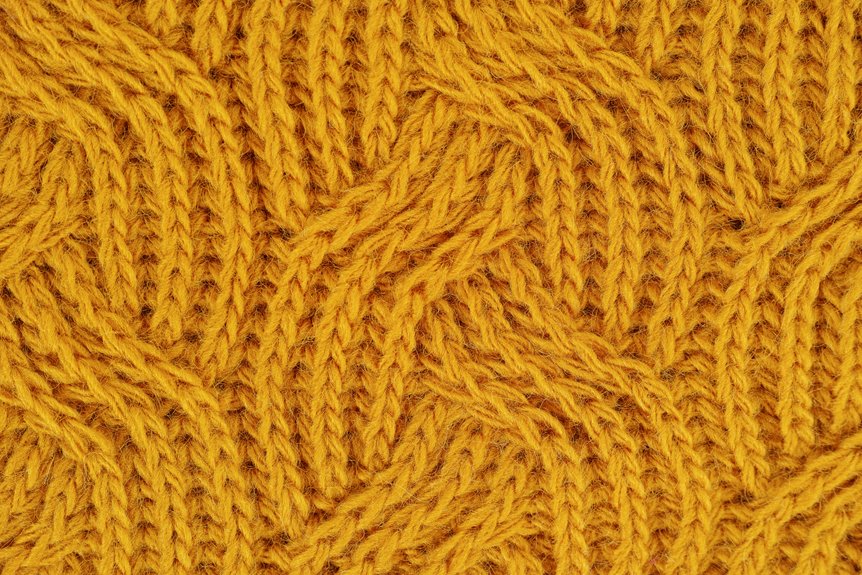
Yes, velour is a knit fabric, which means it’s made by interlooping yarns rather than weaving them. This construction gives velour its signature stretch and soft, plush texture, making it comfortable and flexible to wear. You’ll find it commonly used in clothing like tracksuits and dresses because it drapes well and resists wrinkles. Understanding how velour’s knit structure affects its feel and care can help you get the most out of this luxurious fabric.
Key Takeaways
- Velour is typically made from knit fabric, which gives it stretch and softness.
- It combines knit fabric structure with a pile surface for a plush texture.
- The knit base allows velour to be flexible and comfortable for clothing use.
- Unlike woven fabrics, velour’s knit construction provides better draping and wrinkle resistance.
- The manufacturing process of velour involves knitting, pile formation, and shearing to create its velvet-like feel.
Understanding Velour Fabric
Velour is a soft, plush fabric that feels luxurious to the touch. When you handle velour, you’ll notice its dense pile, which gives it a velvet-like appearance and a rich texture.
Experience the luxurious softness and rich texture of velour’s dense, velvet-like pile.
It’s typically made from cotton, polyester, or a blend, offering both comfort and durability. You’ll find velour used in clothing like tracksuits, dresses, and upholstery because it drapes well and resists wrinkles.
The fabric’s surface is created by weaving loops of yarn, then cutting them to form that distinctive soft pile. Its thickness and stretchiness make velour cozy and flexible, perfect for both casual and formal wear.
Understanding velour’s structure helps you appreciate why it’s a favorite for luxurious yet practical textiles.
The Difference Between Knit and Woven Fabrics
Although both knit and woven fabrics serve many purposes, they differ markedly in how they’re made and perform.
When you look closely, knit fabrics are created by interlooping yarns, giving them stretch and flexibility. This makes knits ideal for clothing that needs to move with you, like t-shirts or activewear.
On the other hand, woven fabrics are made by interlacing yarns at right angles, resulting in a firmer, less stretchy material. You’ll often find woven fabrics in garments like dress shirts or denim jeans, which require more structure.
Understanding this difference helps you pick the right fabric for your needs—whether you want comfort and stretch or durability and shape retention.
Knowing these basics also sets the stage for grasping where velour fits in the fabric world.
How Velour Is Manufactured
You’ll find that the manufacturing process of velour combines techniques from both knit and pile fabric production.
First, velour is typically made from knit fabric, which gives it stretch and softness. Then, it undergoes a pile creation process, where loops of yarn are cut or left uncut to form its plush surface. This combination results in a fabric that’s both flexible and luxurious.
Velour blends knit fabric’s stretch with a plush pile, creating a soft, flexible, and luxurious texture.
Here’s a breakdown of key manufacturing steps:
- Knitting: Velour starts as a knit fabric, usually using cotton or synthetic fibers.
- Pile formation: Loops are created on the fabric’s surface using specialized machinery.
- Shearing: The loops are trimmed to produce an even, velvet-like pile height.
Characteristics of Knit Fabrics
When you handle knit fabrics, you’ll notice their natural stretch and flexibility that set them apart from woven materials.
This unique feel comes from the way the yarns loop together during construction, allowing the fabric to move with you.
Understanding these methods helps explain why knits like velour offer such comfort and ease of wear.
Stretch and Flexibility
Since knit fabrics like velour are constructed from interlocking loops, they naturally offer greater stretch and flexibility compared to woven fabrics.
When you wear velour, you’ll notice it moves with your body, providing comfort without restriction. This elasticity makes it ideal for garments that require easy movement.
You’ll also find that velour can bounce back to its original shape after stretching, maintaining its fit over time.
Keep in mind these key aspects of stretch and flexibility in knit fabrics:
- Multi-directional stretch allows for enhanced mobility and comfort
- Recovery properties prevent permanent deformation after wear
- Soft hand feel complements the fabric’s flexibility for everyday use
Understanding these qualities helps you appreciate why velour stands out among knit fabrics.
Fabric Construction Methods
The stretch and flexibility you enjoy in velour come directly from how the fabric is made. Velour is created using a knit construction method, where yarns interloop rather than interlace like in woven fabrics. This looping allows the material to naturally stretch and recover, giving velour its signature softness and elasticity.
When you pull on velour, the loops expand and then snap back, which explains its comfortable fit. Additionally, the knit structure traps air, enhancing insulation without adding bulk.
Unlike woven fabrics, knit fabrics like velour don’t require as much finishing to prevent fraying, making them more durable for activewear and loungewear. Understanding these construction basics helps you appreciate why velour feels so flexible and cozy against your skin.
Velour’s Stretch and Flexibility
Velour offers a unique combination of softness and stretch that makes it highly versatile for various garments.
When you wear velour, you’ll notice it moves effortlessly with your body thanks to its knit construction. This stretchability provides comfort and ease during activities.
Here’s what you should know about velour’s flexibility:
- Natural elasticity: The knit base allows velour to stretch without losing shape.
- Recovery ability: Velour snaps back quickly after being stretched, maintaining fit over time.
- Enhanced comfort: Its give reduces restrictions, making it ideal for active or casual wear.
Common Uses of Velour in Clothing
Although it might feel unfamiliar at first, you’ll find velour in many types of clothing thanks to its soft texture and stretch. You’ll often see it in casual wear, activewear, and even loungewear because it combines comfort with a luxurious look. Velour’s plush surface makes it perfect for garments that need a cozy feel without sacrificing style.
Here’s a quick look at where velour commonly appears:
| Clothing Type | Why Velour Works |
|---|---|
| Tracksuits | Soft, stretchy, and stylish |
| Dresses | Luxurious texture and drape |
| Hoodies | Comfortable and warm |
| Pants | Flexible with a smooth finish |
| Children’s Wear | Gentle on skin and durable |
You can easily spot velour in pieces designed for comfort and casual elegance.
Caring for Velour Garments
When you care for velour garments properly, they stay soft and vibrant longer.
You’ll want to follow specific washing instructions, handle drying carefully, and store them to maintain their texture.
Let’s look at how to keep your velour pieces looking their best.
Washing Instructions
Since velour is a delicate fabric with a plush texture, you’ll want to handle it with care during washing to maintain its softness and appearance.
Always check the care label first, as some velour blends may require special treatment. When washing, use cold water and a gentle cycle to avoid damaging the fibers. It’s best to turn the garment inside out to protect the pile.
Here are some key washing tips for velour:
- Use a mild detergent designed for delicate fabrics to prevent harsh chemicals from breaking down the fibers.
- Avoid fabric softeners, as they can coat the fabric and reduce its plush feel.
- If hand washing, gently swish the garment without wringing or twisting to preserve its shape and texture.
Drying and Storage
Proper drying and storage play an essential role in keeping your velour garments looking their best. After washing, avoid wringing your velour; instead, gently press out excess water and lay it flat to air dry. Hanging velour while wet can stretch the fabric and ruin its shape.
For storage, keep your velour in a cool, dry place away from direct sunlight to prevent fading. Fold your garments neatly to avoid creases and fabric distortion.
| Drying Tips | Storage Tips |
|---|---|
| Lay flat to dry | Store folded, not hung |
| Avoid direct heat | Keep away from sunlight |
| Don’t wring fabric | Use breathable storage bags |
Following these steps helps maintain your velour’s appearance and longevity.
Maintaining Fabric Softness
Although velour naturally feels soft, maintaining its plush texture requires some care on your part. To keep your velour garments feeling luxurious, you’ll want to handle them gently and avoid harsh treatments that can flatten the fabric’s pile.
Always wash velour inside out on a gentle cycle with cold water to prevent damage. After washing, avoid wringing or twisting the fabric, which can distort its softness.
Here are some tips to maintain velour’s softness:
- Use a mild detergent designed for delicate fabrics to protect fibers.
- Air dry flat or hang to dry away from direct sunlight to preserve texture.
- Lightly steam or brush the fabric with a soft-bristle brush to revive the nap.
Follow these steps, and your velour will stay plush and inviting longer.
Frequently Asked Questions
Can Velour Be Dyed Different Colors Easily?
You can dye velour different colors fairly easily since it absorbs dye well. Just make sure to use the right type of dye for the fabric’s fiber content, and follow the dyeing instructions carefully for best results.
Is Velour Fabric Hypoallergenic?
Velour isn’t naturally hypoallergenic, but you can reduce irritation by choosing high-quality, tightly woven versions. If you have sensitive skin, you might want to test it first since some velour contains synthetic fibers that may cause reactions.
How Does Velour Compare to Velvet in Price?
Imagine velvet’s rich, royal sheen versus velour’s cozy softness; you’ll find velour usually costs less. It’s like choosing between a crown and a comfy sweater—velour gives you luxury without the hefty price tag.
Does Velour Fabric Shrink After Washing?
Yes, velour can shrink after washing if you don’t follow care instructions. You’ll want to wash it in cold water and air dry or use a low heat setting to keep it from shrinking or losing its softness.
Is Velour Suitable for Upholstery Projects?
You’ll find velour’s softness and stretch great for upholstery, but it’s not the most durable. It works well for light-use furniture, though heavy traffic might wear it quickly. Protect it to keep it looking nice.