
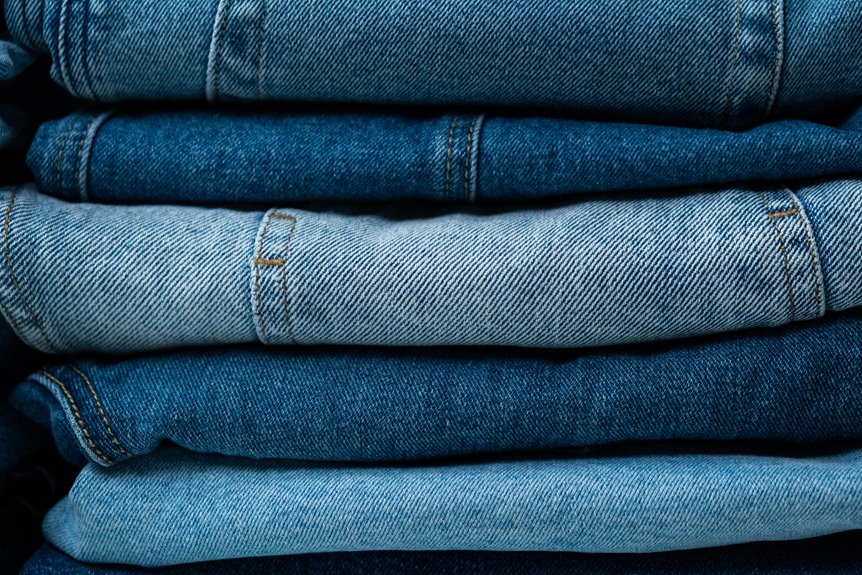
There’s no permanent fix for fabric dye bleeding, but you can take steps to minimize the issue. Start by understanding the causes like poorly set dyes and improper washing methods. Identifying high-risk fabrics, using cold water, and washing items separately can help. Plus, there are techniques for fixing bleeding when it occurs. If you’re facing ongoing issues, exploring additional strategies can greatly improve your fabric’s longevity and appearance. Curious about how to better manage dye bleeding?
Key Takeaways
- There is no guaranteed permanent fix for dye bleeding, but effective prevention methods can significantly reduce the risk.
- Washing new garments separately and using cold water can help maintain color and prevent bleeding.
- Adding white vinegar or salt during washing can assist in setting the dye more effectively.
- Persistent dye bleeding may require professional cleaning services for expert restoration and dye stabilization solutions.
- Regular maintenance and proper care routines are essential for preventing future dye bleeding issues.
Understanding the Causes of Dye Bleeding
When you wash dyed fabrics, you might notice colors running or fading, which can be frustrating. Understanding the causes of dye bleeding is essential to tackle the problem effectively.
Often, the dye used isn’t properly set, making it susceptible to wash cycles. Poor-quality dyes, especially in cheaper fabrics, can leach during washing. Additionally, water temperature plays a significant role; hot water can cause dyes to loosen and bleed.
The type of detergent you use matters, too—some can strip color faster than others. Finally, the presence of fabrics that absorb or mix easily can exacerbate the issue, leading to unwanted color transfer.
Identifying Affected Fabrics
To tackle dye bleeding effectively, you first need to identify the fabrics at risk.
Common fabric types like cotton and silk are more prone to issues, so keep an eye out for signs of bleeding.
You can also perform simple tests to determine if your fabric might bleed when washed.
Common Fabric Types
Certain fabrics are more prone to dye bleeding, making it essential to identify which materials may pose a risk. Understanding these common fabric types can help you make informed choices when caring for your clothes.
| Fabric Type | Dye Bleeding Risk | Care Recommendations |
|---|---|---|
| Cotton | High | Wash in cold water separately |
| Polyester | Moderate | Use color-safe detergent |
| Silk | High | Hand wash or dry clean only |
| Wool | Moderate | Wash gently, avoid hot water |
Signs of Bleeding
Recognizing the signs of dye bleeding is essential for maintaining the integrity of your fabrics. You should look for any discoloration that appears on the surface of your clothing, especially where fabrics rub against each other.
If you notice color transfer onto lighter fabrics or areas that seem to fade unevenly, that’s a clear indication of bleeding. Additionally, keep an eye out for stains that seem to spread after washing, as this can signal that the dye isn’t set properly.
Pay attention to items that have been washed multiple times yet still show signs of fading or color loss. Identifying these issues early can help you take action before the damage becomes irreversible.
Testing for Bleeding
How can you be sure your fabrics won’t bleed? Testing is key! Before washing or drying new fabrics, do a simple bleed test. Here’s how:
- Damp Cloth Test: Moisten a white cloth and rub it on the fabric. If you see color transfer, the dye may bleed.
- Cold Water Test: Soak a small swatch of the fabric in cold water for 30 minutes. Check for any discoloration in the water.
- Heat Test: Iron a small, hidden area with a pressing cloth. If the dye transfers to the cloth, it’s likely to bleed when washed.
Environmental Factors Contributing to Dye Bleeding
While many factors can influence fabric dye bleeding, environmental conditions often play a significant role.
Temperature is essential; higher heat can cause dyes to break down, leading to bleeding.
Humidity also matters; excessive moisture can weaken fabric fibers and make dye transfer more likely.
Sunlight exposure can fade colors over time, increasing the risk of bleeding during washing.
Additionally, water quality affects dye stability; hard water with high mineral content can react with dyes, causing them to bleed.
You should also consider the washing environment; mixing different fabrics and colors can exacerbate the issue.
Effective Prevention Methods
To prevent fabric dye bleeding effectively, you should start by washing new garments separately from your other laundry. This simple step helps minimize color transfer.
Here are three more effective prevention methods you can use:
- Use cold water: Wash your clothes in cold water to help maintain their color and reduce bleeding, as hot water can cause dyes to release more easily.
- Add vinegar or salt: Including a cup of white vinegar or salt in your wash can help set the dye, making it less likely to bleed.
- Choose the right detergent: Opt for a detergent specifically designed for color protection. These products often contain ingredients that help keep colors vibrant.
Testing Fabrics for Dye Stability
Before you commit to a fabric, it’s essential to test its dye stability.
Simple methods can help you determine if a material will bleed or fade over time.
Importance of Fabric Testing
Ensuring the longevity of your fabrics hinges on the vital process of testing for dye stability.
Before you invest time and money into your projects, understanding dye stability can save you from future headaches.
Here are three key reasons why fabric testing is crucial:
- Prevent Color Bleeding: Testing helps you identify any tendencies for dyes to bleed, ensuring your fabrics maintain their vibrant colors over time.
- Enhance Durability: Fabrics with stable dyes tend to withstand washing and exposure to sunlight better, prolonging their lifespan.
- Boost Confidence: Knowing your fabrics are tested gives you peace of mind, allowing you to focus on your creative endeavors without worrying about unexpected surprises.
Simple Testing Methods
Testing for dye stability is a straightforward process that can save you time and frustration later on.
To start, grab a small piece of fabric and a white cloth or paper towel. Dampen the cloth with water and gently rub it against the fabric. If you notice any color transfer, your fabric might bleed.
Another method is to soak a corner of the fabric in cold water for about 30 minutes. If the water changes color, the dye isn’t stable.
You can also try the “bleach test” by applying a small drop of bleach on an inconspicuous area. If the color fades, it’s best to avoid washing with other items.
These simple tests will help guarantee your fabrics stay vibrant and intact.
Specialized Products for Dye Fixation
While many fabrics can be prone to dye bleeding, specialized products for dye fixation offer a reliable solution to this common issue.
These products help lock in the color, preventing it from running during washing or wearing. Here are three types of dye fixation products you might consider:
- Dye Fixatives: These liquid solutions are added to your wash cycle, binding the dye to the fabric fibers.
- Salt: Adding salt to your laundry can help set the dye, especially for cotton and other natural fabrics.
- Vinegar: A natural option, vinegar can be added to your rinse cycle to help stabilize colors.
Using these products can save you from the frustration of dye bleeding, ensuring your fabrics stay vibrant longer.
Techniques for Fixing Dye Bleeding
When you notice dye bleeding on your fabric, several effective techniques can help you fix the issue.
You can start with cold water rinsing, then try applying Synthrapol, or even use an Oxiclean paste method for stubborn stains.
Let’s explore these methods to restore your fabric’s original look.
Cold Water Rinsing
To effectively tackle dye bleeding, cold water rinsing is one of the simplest yet most effective techniques you can use. This method helps to remove excess dye that may cause further bleeding in your fabrics. Here’s how to do it:
- Rinse Immediately: As soon as you notice bleeding, rinse the fabric in cold water. This helps to halt the dye from spreading.
- Use Gentle Pressure: While rinsing, gently squeeze the fabric to release trapped dye, but avoid wringing it out to prevent damage.
- Repeat if Necessary: If bleeding persists, repeat the rinsing process until the water runs clear, ensuring you’ve removed as much excess dye as possible.
With these steps, you can greatly reduce the chances of dye bleeding ruining your favorite clothes!
Synthrapol Application
If you’ve tried rinsing but still notice dye bleeding, applying Synthrapol can be a game changer. This professional-grade detergent works wonders for removing excess dye from fabrics.
Start by mixing Synthrapol with warm water in a basin, following the instructions on the label. Submerge the affected fabric and let it soak for about 30 minutes. Gently agitate the water to help lift the dye.
After soaking, rinse thoroughly with cold water until the rinse water runs clear. You may need to repeat this process for stubborn stains.
Once you’re done, wash the fabric in your machine on a gentle cycle. This should help stabilize the dyes and prevent future bleeding, keeping your colors vibrant and true.
Oxiclean Paste Method
While excess dye bleeding can be frustrating, using the Oxiclean paste method can help restore your fabrics effectively. This technique is straightforward and can save your favorite items.
Here’s how you can do it:
- Create the Paste: Mix one part Oxiclean powder with two parts water until you achieve a thick paste.
- Apply to Affected Areas: Gently rub the paste onto the stained areas, ensuring it covers the fabric evenly. Let it sit for about 30 minutes.
- Rinse and Wash: Rinse the area with cold water and then wash the fabric as you normally would.
Common Challenges in Managing Dye Bleeding
Managing dye bleeding can be a frustrating challenge, especially when you’re trying to keep your fabrics looking vibrant and fresh. One common issue is that different fabrics react differently to dyes; what works for one mightn’t work for another.
You may also find that some dyes are more prone to bleeding, making it hard to predict which garments will cause trouble. Additionally, washing techniques can exacerbate the problem—using hot water or harsh detergents can lead to more bleeding.
You might struggle with finding the right balance between cleaning and preserving the fabric’s color. Finally, not all solutions are effective for every type of dye, so experimentation can feel like a trial-and-error process.
Long-Term Maintenance of Dyed Fabrics
To keep your dyed fabrics looking their best over time, you need to adopt a consistent maintenance routine.
Here are three essential tips to help you:
- Wash with Care: Always wash dyed fabrics in cold water using a gentle cycle. This helps prevent color fading and bleeding.
- Separate Colors: When doing laundry, separate your dyed items from whites and lighter colors. This reduces the risk of any dye transfer.
- Avoid Direct Sunlight: When drying, avoid hanging your dyed fabrics in direct sunlight. UV rays can cause colors to fade quicker than you’d like.
When to Seek Professional Help
When should you consider seeking professional help for your dyed fabrics? If you notice persistent dye bleeding despite your best efforts, it’s time to consult an expert. Additionally, if your fabric is valuable or holds sentimental worth, professional cleaning can prevent further damage.
Here’s a quick guide to help you decide:
| Situation | Action Needed | Potential Solution |
|---|---|---|
| Persistent dye bleeding | Seek professional help | Expert dye stabilization |
| Valuable fabric damage | Consult a specialist | Luxury fabric cleaning |
| Sentimental items compromised | Get professional assessment | Restoration services |
Don’t hesitate to reach out; the right help can restore your fabrics to their former glory.
Frequently Asked Questions
Can Bleach Fix Dye Bleeding Issues Effectively?
Did you know nearly 60% of fabric dye bleeds during washes? While bleach can temporarily lighten the stains, it often damages the fabric. You’d be better off exploring color fixatives or professional cleaning options.
How Do Different Dyes Impact Fabric Bleeding?
Different dyes impact fabric bleeding based on their chemical composition. You’ll find synthetic dyes often bleed less than natural ones. Always check the dye type before washing to minimize potential bleeding issues in your fabrics.
Will All Fabric Types Bleed When Washed Together?
When washing a rainbow together, you might find some colors bleed into others. Not all fabrics bleed equally, but mixing certain types, especially those with vibrant dyes, can lead to unexpected, messy outcomes.
Is Heat Necessary for Dye Fixation in Fabrics?
Heat’s essential for dye fixation in fabrics. When you apply heat, it helps bond the dye to the fibers, ensuring vibrant colors. Without heat, the dye might wash out or fade over time.
Can Vinegar Help Prevent or Fix Dye Bleeding?
Yes, vinegar can help prevent or fix dye bleeding. When you soak fabrics in a vinegar-water solution before washing, it helps set the dye, reducing the chance of bleeding during future washes.