
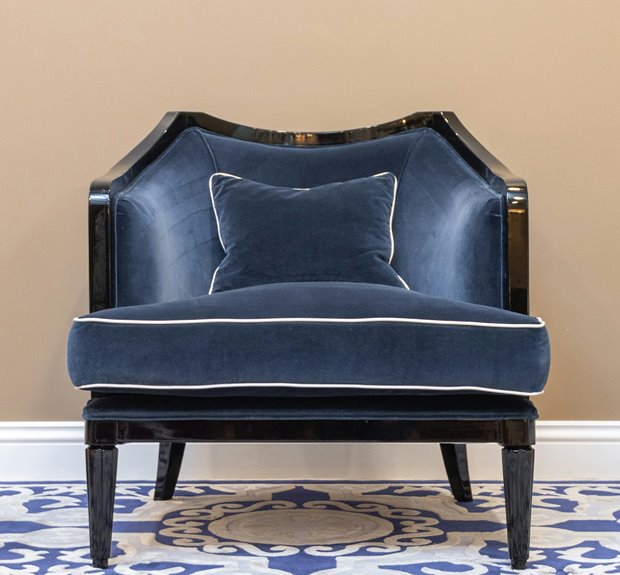
You shouldn’t expect suede to hold up well on high-traffic furniture since it’s softer and more porous than other materials. It easily absorbs spills and stains and shows wear faster, especially in daily use areas like sofas or dining chairs. Suede is best for occasional seating or decorative pieces where it can stay protected. If you want to know how to care for suede and explore better fabric choices for busy spaces, you’ll find useful insights ahead.
Key Takeaways
- Suede is softer and less resistant to abrasion, making it less durable than leather or synthetic fabrics for high-traffic furniture.
- It easily absorbs moisture, stains, and dirt, requiring careful maintenance to avoid damage in busy areas.
- Frequent use causes visible wear patterns like flattened fibers and fraying, reducing suede’s longevity in high-traffic spots.
- Suede is better suited for decorative or occasional seating rather than heavily used sofas or dining chairs.
- Alternatives like leather, microfiber, or performance fabrics offer superior durability and stain resistance for high-traffic furniture.
Understanding the Composition of Suede Fabric
Although suede is often admired for its soft texture and elegant appearance, you should understand its unique composition before choosing it for furniture.
Suede is made from the underside of animal hides, typically from lamb, goat, or calf, which gives it that distinctive napped finish. This inner layer is softer and more pliable than the outer leather, but it’s also more porous and prone to absorbing moisture and stains.
Because of the way suede is processed, it lacks the protective grain layer found in full-grain leather. When you’re selecting suede for furniture, keep in mind that its delicate fibers require careful maintenance and protection from spills, dirt, and abrasion to maintain its look over time.
Knowing this helps you decide if suede suits your lifestyle.
Comparing Suede to Other Upholstery Fabrics
Knowing the delicate nature of suede helps you weigh its pros and cons against other upholstery fabrics. Compared to leather, suede offers a softer, more luxurious feel but lacks the same resistance to scratches and stains.
When you consider synthetic fabrics like microfiber, you’ll find they generally hold up better to spills and abrasion, making them more practical for high-traffic areas. Cotton and linen, while breathable, tend to wear out faster than suede and need more frequent cleaning.
If durability is your priority, suede doesn’t outperform durable synthetics or treated leathers. However, if you prioritize texture and aesthetic appeal, suede stands out.
Ultimately, your choice depends on balancing suede’s elegance with the durability demands of your space.
The Impact of Daily Use on Suede Furniture
When you use suede furniture daily, you’ll notice wear patterns start to form, especially in high-traffic spots.
These signs of wear can affect the fabric’s texture and appearance over time.
You’ll also face some maintenance challenges, as suede requires careful cleaning to keep it looking its best.
Wear Patterns Over Time
As you use suede furniture daily, you’ll notice how its unique texture changes with wear. Areas with frequent contact, like armrests and seat cushions, develop a distinct patina and may appear smoother or darker. This natural aging can add character but also highlights where the fabric endures the most stress.
| Area | Wear Pattern | Visual Effect |
|---|---|---|
| Armrests | Flattening fibers | Slightly shiny patches |
| Seat cushions | Compression wear | Darkened color spots |
| Backrests | Minimal wear | Retains original texture |
| Edges | Fraying | Slight fuzziness |
| Legs/Skirt | Rare wear | Clean appearance |
Understanding these patterns helps you anticipate how your suede furniture will evolve with time.
Maintenance Challenges
Although suede offers a luxurious feel and aesthetic, maintaining its appearance can be challenging, especially with daily use.
You’ll find that suede easily attracts dust, dirt, and oils from skin, which can dull its soft texture and rich color. Spills and stains require immediate attention, or they may set permanently, making cleaning tricky.
Regular brushing with a suede brush is essential to keep the nap looking fresh, but you need to be gentle to avoid damaging the fabric.
Avoid placing suede furniture in direct sunlight, as it can fade over time. You’ll also want to steer clear of harsh cleaners and moisture, which can warp or stain suede.
Common Signs of Wear in Suede Upholstery
Because suede has a delicate texture, you’ll notice certain signs of wear more quickly than with other fabrics.
As you use your suede furniture, keep an eye out for these common indicators that it’s showing its age or getting damaged:
- Matting or flattening of the nap, which dulls suede’s soft, velvety look
- Discoloration or fading, especially in areas exposed to sunlight or frequent contact
- Surface scratches or scuffs that disrupt the smooth texture
- Edge fraying or seam wear, where stitching may start to loosen or fabric pulls apart
Recognizing these signs early helps you take better care of your suede furniture and decide when it needs professional attention or replacement.
How Suede Handles Stains and Spills
Noticing wear on your suede furniture means it’s time to pay closer attention to how it handles everyday challenges like stains and spills.
Suede, with its soft, napped surface, tends to absorb liquids quickly, which can make stains more noticeable and harder to clean than on smoother fabrics. If you spill something, avoid rubbing it in; instead, blot gently with a clean cloth to prevent spreading the stain.
Suede’s texture can trap dirt, so spills might leave lasting marks if not treated promptly. While suede isn’t naturally stain-resistant, acting quickly helps minimize damage.
You should also be cautious about water, as it can leave spots or alter the fabric’s texture. Understanding these traits helps you gauge how suede performs in real-life use.
Maintenance Tips to Extend Suede’s Lifespan
To keep your suede furniture looking its best, you’ll need to adopt a consistent maintenance routine. Regular care prevents dirt buildup and keeps the fabric soft and vibrant.
Maintaining your suede furniture consistently keeps it clean, soft, and vibrant for lasting beauty.
Here are some simple tips to extend suede’s lifespan:
- Gently brush with a soft suede brush weekly to remove dust and revive the nap.
- Blot spills immediately with a clean cloth; avoid rubbing to prevent damage.
- Rotate cushions and pillows regularly to guarantee even wear.
- Keep suede away from direct sunlight to prevent fading and drying out.
Protective Treatments to Enhance Suede Durability
You can boost your suede furniture’s durability by applying water and stain repellents regularly.
Don’t forget to condition the suede to keep it soft and prevent cracking.
For the best protection, consider professional coatings that add an extra barrier against wear and stains.
Water and Stain Repellents
Although suede naturally resists some wear, applying water and stain repellents can greatly boost its durability.
These treatments create a protective barrier that helps prevent liquids and dirt from seeping into the fabric. When you treat your suede furniture, you’ll find it easier to maintain and less prone to stains.
Here’s what you should keep in mind for using repellents effectively:
- Choose a spray specifically designed for suede or nubuck.
- Test the product on a small, hidden area first.
- Apply repellents in a well-ventilated space and follow instructions carefully.
- Reapply treatments regularly, especially after cleaning or heavy use.
Regular Suede Conditioning
Applying water and stain repellents lays a strong foundation, but keeping your suede furniture in top shape also calls for regular conditioning.
Conditioning restores the natural oils in the suede, preventing it from drying out and becoming brittle over time. You can use specially formulated suede conditioners that nourish the fabric without altering its texture or color.
Apply the conditioner evenly with a soft cloth, following the product instructions carefully. Avoid over-conditioning, as excess moisture can damage the suede.
Regular conditioning not only maintains the soft feel but also enhances its durability against daily wear. By incorporating this simple step into your maintenance routine, you’ll extend the life of your suede furniture, keeping it looking fresh and comfortable even in high-traffic areas.
Professional Protective Coatings
When you want to maximize suede’s resistance to spills and stains, professional protective coatings offer a reliable solution.
These treatments create an invisible barrier that repels liquids and prevents dirt from embedding into the fibers, greatly extending the life of your suede furniture.
Applying professional coatings guarantees your furniture maintains its soft texture while gaining enhanced durability.
Here’s what you can expect from professional protective coatings:
- Water and stain repellency that reduces cleaning frequency
- Resistance to fading caused by UV exposure
- Protection against oils and body sweat
- Preservation of suede’s natural look and feel
Investing in these coatings means you don’t have to sacrifice suede’s elegance for durability, making it a smart choice for high-traffic areas.
Suitability of Suede for Different Types of Furniture
Many homeowners choose suede for pieces like armchairs and ottomans because its soft texture adds a touch of luxury and comfort.
You’ll find suede works best on furniture that doesn’t see constant heavy use, such as decorative chairs or occasional seating. It’s less suited for sofas or dining chairs where spills and rough wear are common.
If you’re considering suede for bedroom benches or accent chairs, it enhances the aesthetic without demanding too much durability.
However, for pieces in busy living rooms or family areas, you might want to think twice since suede can show wear more quickly.
Consider avoiding suede in high-traffic areas as it tends to wear faster with heavy use.
Ultimately, you’ll want to match suede’s delicate nature with furniture that balances style and moderate use to keep it looking its best longer.
Pros and Cons of Using Suede in High-Traffic Areas
Although suede offers a luxurious feel and stylish look, it presents challenges in high-traffic areas. You’ll appreciate its softness and elegant appearance, but you should also consider how it handles wear and tear.
Here are the pros and cons to keep in mind:
- Pros:
- Comfortable and soft to the touch
- Adds a sophisticated aesthetic
- Breathable fabric for comfort
- Ages nicely with a unique patina
- Cons:
- Prone to staining and water damage
- Difficult to clean without special products
- Shows wear quickly in busy spots
- Can attract dust and dirt easily
Alternative Fabrics for High-Traffic Furniture Use
If you want furniture that withstands heavy use without sacrificing style, you’ll need to explore fabrics designed for durability. While suede offers a luxurious look, alternatives like leather, microfiber, and performance fabrics often perform better in high-traffic areas. They resist stains, wear, and fading more effectively, making maintenance easier for you.
| Fabric Type | Durability Level | Maintenance Needs |
|---|---|---|
| Leather | High | Moderate |
| Microfiber | High | Low |
| Performance Fabric | Very High | Very Low |
Choosing any of these can save you headaches and keep your furniture looking fresh longer. So, consider your lifestyle and pick a fabric that matches your daily demands.
Frequently Asked Questions
Can Suede Upholstery Be Recycled or Repurposed?
You can think of suede upholstery as a treasure chest waiting to be opened—you can recycle or repurpose it by crafting new accessories or patches, reducing waste and giving the fabric a stylish second chance to shine.
Is Suede Environmentally Friendly Compared to Synthetic Fabrics?
You’ll find suede more environmentally friendly than many synthetic fabrics since it’s natural and biodegradable. However, keep in mind that tanning processes can involve chemicals, so its eco-friendliness depends on how it’s treated during production.
How Does Humidity Affect Suede Fabric Over Time?
Like a delicate flower, suede reacts to humidity by absorbing moisture, which can weaken fibers and cause stains. You’ll want to keep it dry and well-ventilated to maintain its soft, luxurious feel over time.
Are There Specific Colors of Suede That Fade Less?
You’ll find darker suede colors like deep browns and navy tend to fade less over time compared to lighter shades. Protect your suede from direct sunlight to help maintain those rich colors longer and keep it looking fresh.
Can Pets Damage Suede Furniture More Than Other Fabrics?
Like a delicate flower, suede can easily suffer from pets’ claws and teeth. You’ll find it’s more prone to scratches and stains than sturdier fabrics, so be cautious if your furry friends roam freely on your furniture.