
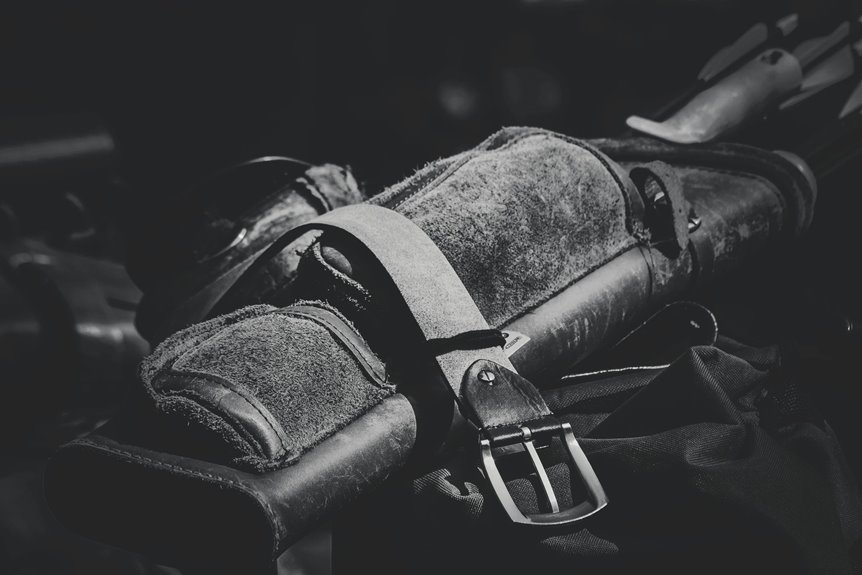
You might think suede is a nonwoven material, but it’s actually different. Suede comes from animal hides, created by buffing the inner leather surface for a soft, napped texture. Nonwoven fabrics, on the other hand, bond fibers without weaving or knitting, often using synthetic or recycled fibers. Suede is a natural leather with unique care needs and durability. If you want to understand how suede stacks up against nonwovens and their distinct uses, keep exploring.
Key Takeaways
- Suede is made from animal hides, specifically by buffing the inner leather surface, not by bonding fibers like nonwoven materials.
- Nonwoven materials are created by bonding or entangling fibers mechanically, chemically, or thermally, unlike suede’s leather-based origin.
- Suede has a soft nap and velvety texture from leather processing, distinct from the fiber bonding in nonwoven fabrics.
- Nonwoven fabrics are often lightweight and disposable, whereas suede is durable, flexible leather with natural breathability.
- Therefore, suede is not considered a nonwoven material because it is derived from processed leather, not fiber bonding.
Understanding Nonwoven Materials
Although you mightn’t realize it, nonwoven materials play an essential role in many everyday products. You encounter them in items like disposable masks, filters, and even wipes.
Unlike woven fabrics made by interlacing threads, nonwovens form by bonding or entangling fibers directly. This process gives you materials that are lightweight, flexible, and often disposable.
Nonwovens create lightweight, flexible materials by bonding fibers directly, unlike traditional woven fabrics.
When you touch a nonwoven product, you’re feeling a web of fibers held together by mechanical, chemical, or thermal means rather than traditional weaving or knitting. This construction method allows manufacturers to tailor properties like strength, absorbency, and softness to specific uses.
Understanding what nonwovens are helps you appreciate how versatile and practical these materials can be in daily life.
Characteristics of Suede Fabric
When you feel suede fabric, you notice its soft, velvety texture that sets it apart from other materials.
Suede has a distinct nap, created by buffing the inner surface of leather, which gives it that unique softness and slight fuzziness. It’s flexible and breathable, making it comfortable to wear.
Unlike smooth leather, suede has a matte finish, which absorbs light rather than reflecting it, adding to its rich appearance.
While suede is durable, it’s more delicate than full-grain leather and can stain or scuff easily if not cared for properly.
You’ll also find that suede’s porous surface can absorb moisture, so it’s not the best choice for wet conditions.
The Manufacturing Process of Suede
The softness and unique texture of suede come from a specialized manufacturing process that transforms raw hides into this distinctive material.
Suede’s softness and unique texture result from a specialized process transforming raw hides into this distinctive leather.
First, you select high-quality animal hides, often from lamb, goat, or calf. Then, the hides undergo tanning to preserve and strengthen the leather.
After tanning, you buff the inner surface—the flesh side—using abrasive materials to create that characteristic napped finish. This sanding process raises the fibers, giving suede its soft, velvety feel.
Finally, the suede is dyed and treated to enhance color and durability. Throughout, you carefully control moisture and temperature to maintain the leather’s integrity.
This method produces a supple, flexible fabric you’ll find in shoes, jackets, and accessories, setting suede apart from other leather types.
Differences Between Woven, Nonwoven, and Knitted Fabrics
Understanding the differences between woven, nonwoven, and knitted fabrics helps you identify how their structures affect performance and use.
Woven fabrics are made by interlacing two sets of yarns at right angles, creating a strong, stable material. You’ll find woven fabrics are less stretchy and great for items needing durability.
Nonwoven fabrics, on the other hand, don’t involve weaving or knitting; fibers are bonded together through heat, pressure, or adhesives. This makes nonwovens lightweight and often disposable, used in filters or medical supplies.
Knitted fabrics form by looping yarns together, giving you stretchy, flexible materials ideal for clothing requiring comfort and fit.
Knowing these differences helps you choose the right fabric based on strength, stretch, and application.
Types of Nonwoven Materials and Their Uses
You’ll find nonwoven materials come in various types, each designed for specific uses like industrial filters or medical masks.
Understanding these options helps you see their impact on health and manufacturing.
Plus, many nonwovens now focus on sustainability to reduce environmental harm.
Common Nonwoven Fabric Types
Although nonwoven fabrics come in many forms, you’ll most often encounter a few common types that serve distinct purposes across industries.
Spunbond nonwovens, made by bonding continuous filaments, offer strength and durability, making them ideal for reusable bags and geotextiles.
Meltblown fabrics feature fine fibers created by extruding polymer through tiny nozzles, providing excellent filtration, perfect for masks and air filters.
Needle-punched nonwovens rely on mechanical entanglement, giving you a tough, dense fabric used in carpets and insulation.
Finally, spunlace or hydroentangled nonwovens use high-pressure water jets to bind fibers, resulting in soft, flexible materials found in wipes and medical gowns.
Each type brings unique properties to the table, so understanding these will help you see why suede, made differently, doesn’t fit as a nonwoven.
Industrial and Medical Applications
When you look at industrial and medical fields, nonwoven materials play essential roles because they combine functionality with cost-effectiveness. You’ll find them in surgical gowns, masks, and wound dressings, where their barrier properties protect patients and healthcare workers.
In industry, nonwovens serve as filters, insulation, and geotextiles, helping you improve product performance and durability. These materials are designed for single-use or long-term applications, depending on your needs.
Unlike suede, which is a woven or knitted leather fabric, nonwovens are manufactured by bonding fibers mechanically, chemically, or thermally. This difference means nonwovens excel in disposable or specialized uses, while suede suits fashion and upholstery.
Understanding these distinct roles helps you appreciate why suede isn’t classified as a nonwoven material despite its unique texture.
Environmental Impact and Sustainability
Understanding the environmental impact of materials is key to making informed choices, especially when comparing nonwovens to products like suede. Nonwoven materials often use synthetic fibers derived from petrochemicals, which can contribute to pollution and aren’t always biodegradable.
However, many manufacturers now focus on creating eco-friendly nonwovens using recycled or natural fibers, reducing waste and energy consumption.
On the other hand, suede, made from animal hides, raises concerns about animal welfare and the environmental effects of leather tanning, which uses harmful chemicals.
If you want a sustainable option, consider how the production processes affect ecosystems and resource use. By weighing these factors, you can select materials that align with your environmental values while meeting your needs.
Is Suede Made Through a Nonwoven Process?
You might wonder if suede is made like nonwoven fabrics.
Suede is actually crafted by sanding the inner surface of leather, not by bonding fibers together like nonwovens.
This key difference shapes how suede feels and performs compared to nonwoven materials.
Suede Manufacturing Techniques
Suede isn’t made through a nonwoven process; instead, it results from a specific leather treatment.
When you make suede, you start with the underside of an animal hide, usually from lamb, goat, or calf. The leather undergoes a process called buffing or sanding, which roughens the surface to create a soft, napped texture.
You won’t find weaving or knitting here like in traditional fabrics. Instead, the grain side is removed, and the fibrous inner layer is exposed and treated.
After buffing, you’ll often dye the leather to achieve the desired color and finish. This technique gives suede its characteristic softness and flexibility, distinguishing it from woven or nonwoven materials.
Differences From Nonwoven Fabric
Although nonwoven fabrics and suede may look similar in texture, they differ fundamentally in how they’re made.
You might assume suede is a nonwoven material because of its soft, fuzzy surface, but it’s actually created from natural leather. Suede forms by sanding or buffing the inner surface of animal hides, not by bonding fibers together like nonwovens.
Nonwoven fabrics are engineered by mechanically, chemically, or thermally bonding fibers without weaving or knitting. In contrast, suede maintains the fibrous structure of the hide, giving it durability and flexibility that nonwovens often lack.
The Role of Leather in Suede Production
Because leather forms the foundation of suede, understanding its role is crucial to grasping how suede is made.
When you look at suede, you’re actually seeing the underside of the animal hide, which has been carefully sanded or buffed to create that soft, napped texture. The type of leather used greatly affects the final product’s feel and durability—commonly, lamb, goat, or calf hides work best due to their fine grain.
During production, the leather is tanned to preserve it, then split into layers; the inner, fibrous layer becomes suede. Unlike typical leather surfaces, suede’s texture comes from this inner layer, which you can feel as velvety and pliable.
Comparing Suede to Synthetic Nonwovens
Understanding the natural origins and texture of suede helps highlight how it differs from synthetic nonwoven materials. Suede comes from animal hide, processed by buffing the inner surface to create a soft, fibrous texture.
Synthetic nonwovens, however, are made by bonding or felting fibers without weaving or knitting.
Here’s how they differ:
- Source: Suede is natural; synthetics come from polymers.
- Structure: Suede’s fibers are part of a hide; synthetics are randomly assembled fibers.
- Production: Suede involves tanning and finishing; synthetics rely on mechanical or chemical bonding.
- Feel and durability: Suede offers a unique softness and breathability; synthetics vary widely in texture and strength.
This comparison shows suede isn’t classified as a nonwoven material.
Advantages of Using Suede in Fashion and Upholstery
When you choose suede for fashion or upholstery, you get a material that combines style and comfort effortlessly. Suede’s soft texture adds a luxurious feel to your clothing or furniture, making it inviting and sophisticated.
It’s breathable, so you stay comfortable whether wearing a suede jacket or sitting on a suede couch. You’ll also appreciate suede’s natural flexibility, which allows it to mold to shapes without losing its appeal.
Plus, its unique nap gives your items a distinctive look that stands out from smooth leather or synthetic fabrics. Using suede means investing in durability, as it resists tearing and ages gracefully, developing a rich patina over time.
Care and Maintenance of Suede Material
You’ll want to handle suede with care to keep it looking its best.
Using the right cleaning techniques, like brushing gently and avoiding water, is key.
Plus, storing your suede items properly will help preserve their texture and shape over time.
Cleaning Techniques for Suede
Proper cleaning techniques can extend the life of your suede items and keep them looking fresh. Since suede is delicate, you’ll want to avoid water and harsh chemicals. Instead, follow these steps:
- Use a suede brush to gently remove dirt and restore the nap.
- For stains, apply a suede eraser or a clean pencil eraser with light pressure.
- If your suede gets wet, blot the moisture with a dry cloth and let it air dry naturally—never use heat.
- For oil stains, sprinkle cornstarch or talcum powder on the spot, let it sit overnight, then brush it off.
Storage Tips to Preserve
Three key storage practices can help you preserve your suede items and keep them looking their best. First, store them in a cool, dry place to avoid moisture damage. Second, keep your suede away from direct sunlight to prevent fading. Third, use breathable fabric bags instead of plastic to allow air circulation and prevent mildew.
| Storage Tip | Why It Matters |
|---|---|
| Cool, Dry Place | Prevents moisture damage |
| Avoid Direct Sunlight | Prevents color fading |
| Use Breathable Bags | Allows air circulation, avoids mildew |
| Maintain Shape | Use shoe trees or stuff with paper |
Environmental Impact of Suede vs. Nonwoven Fabrics
Although suede offers a luxurious feel and durability, its environmental impact differs markedly from that of nonwoven fabrics. When you choose suede, you’re dealing with animal agriculture’s resource demands and chemical-intensive tanning processes.
Suede’s luxury comes with environmental costs unlike the lighter footprint of nonwoven fabrics.
Nonwoven fabrics, often synthetic or plant-based, usually require less water and energy to produce. Here’s what you should consider:
- Suede production involves raising animals, which contributes to greenhouse gas emissions.
- Tanning suede uses chemicals that can pollute water sources.
- Nonwoven fabrics can be engineered for recyclability or biodegradability.
- Many nonwovens have a lower carbon footprint due to less intensive processing.
Frequently Asked Questions
Can Suede Be Waterproofed Effectively?
You can waterproof suede effectively by applying a specialized suede protector spray. It repels water and stains without damaging the texture. Just remember to reapply regularly and avoid soaking suede to maintain its look and feel.
What Are Common Allergens Related to Suede?
Allergens related to suede can sneak up like hidden thorns. You might react to dust mites, mold, or chemicals used in tanning. If you’re sensitive, handling suede carefully and cleaning it well helps avoid flare-ups.
How Durable Is Suede Compared to Other Fabrics?
You’ll find suede less durable than full-grain leather but softer and more flexible. It resists wear moderately but can stain or scratch easily, so you’ll need to treat it carefully compared to tougher fabrics.
Is Suede Suitable for Summer Clothing?
Oh, sure, you’d love to wear thick, warm suede in the summer! But seriously, it’s not ideal—suede traps heat and doesn’t breathe well. You’ll want lighter, more breathable fabrics for those hot days.
What Types of Dyes Are Used on Suede?
When dyeing suede, you’ll often use aniline or semi-aniline dyes because they penetrate well, preserving the texture. You can also apply pigment dyes for vibrant colors, but they sit on the surface and offer less breathability.