
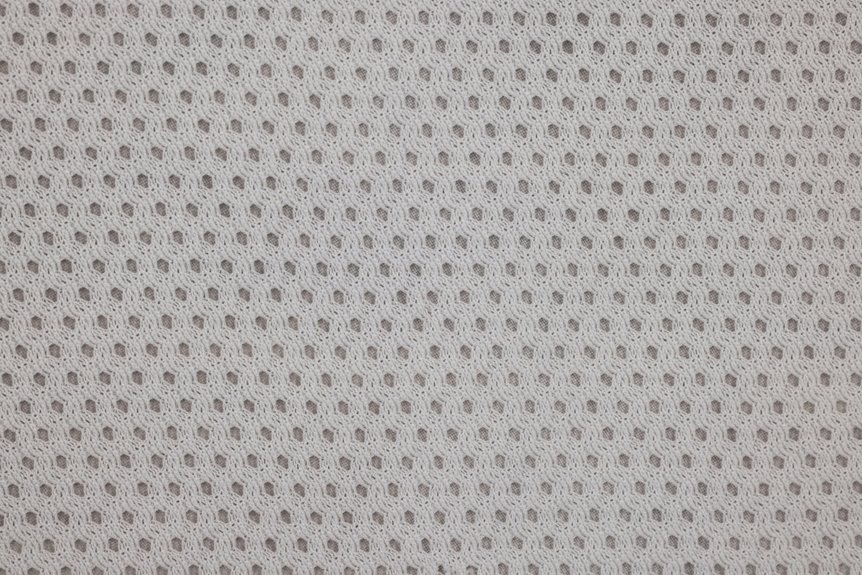
Scuba fabric isn’t highly breathable because its dense knit traps heat and limits airflow. You’ll find it repels moisture and holds shape well, offering a sleek, structured look but can feel warm or less ventilated compared to lighter fabrics like cotton. It’s great for cooler settings or stylish, fitted clothing but might cause sweating in hot conditions. If you want to understand how it balances durability and comfort or how to care for it, keep exploring.
Key Takeaways
- Scuba fabric has low air permeability due to its dense knit, limiting airflow and trapping heat against the skin.
- It offers moderate breathability suitable for structured garments without excessive heat buildup.
- The fabric’s moisture resistance repels water but reduces moisture-wicking ability, potentially causing sweat accumulation.
- Scuba is best for cooler environments or short wear periods because it can feel warm and less breathable in heat.
- Its breathability level makes it ideal for form-fitting dresses, lightweight jackets, and low-impact activewear requiring some airflow.
What Is Scuba Fabric Made Of?
Scuba fabric combines polyester and spandex to create a smooth, stretchy material that feels similar to neoprene but is lighter and more breathable.
When you wear scuba fabric, you’ll notice its sleek finish and slight thickness, which gives it structure without weighing you down.
The polyester provides durability and resistance to wrinkles, while the spandex adds flexibility, letting the fabric stretch with your movements.
This blend makes scuba fabric ideal for fitted clothing like dresses and activewear because it holds its shape well.
Unlike neoprene, scuba fabric doesn’t have the same closed-cell foam structure, so it feels less bulky and allows more airflow.
How Is Scuba Fabric Manufactured?
Creating this fabric involves a careful process that blends polyester and spandex fibers before knitting them into a smooth, dense material. You’ll find that manufacturers use a double-knit technique, which gives the fabric its characteristic thickness and stretch. After knitting, the fabric undergoes heat-setting to stabilize its shape and enhance durability. Finally, a finishing process guarantees a sleek, polished surface.
| Step | Description | Purpose |
|---|---|---|
| Fiber Blending | Mix polyester with spandex fibers | Achieve stretch & strength |
| Double-Knit | Knit fibers into a dense fabric | Provide thickness & texture |
| Heat-Setting | Apply heat to fix fabric shape | Improve stability & finish |
Key Characteristics of Scuba Fabric
You’ll want to understand the key characteristics that define scuba fabric, like its material composition, moisture resistance, and air permeability.
These features directly affect how the fabric performs and feels when you wear it.
Let’s break down what makes scuba fabric unique in these areas.
Material Composition
A blend of polyester and spandex forms the foundation of this fabric, giving it a unique combination of stretch and structure.
When you wear scuba fabric, you’ll notice how the polyester provides durability and shape retention, while the spandex adds flexibility for comfortable movement.
This mix creates a smooth, dense knit that feels substantial yet soft against your skin.
The fabric’s double-knit construction traps air between its layers, contributing to its thickness and insulating properties.
Because the fibers are synthetic, they resist wrinkles and hold color well, keeping your garment looking fresh.
Understanding this composition helps you appreciate why scuba fabric behaves differently from natural textiles, especially regarding how it handles airflow and flexibility.
Moisture Resistance
Although scuba fabric feels thick and substantial, it resists absorbing moisture, making it ideal for damp or active conditions. You’ll find it keeps you dry longer than many other fabrics because it naturally repels water instead of soaking it up.
This moisture resistance helps prevent the fabric from becoming heavy or uncomfortable when you sweat or encounter wet environments.
Here’s what you should know about scuba fabric’s moisture resistance:
- It quickly sheds surface water, so it dries faster.
- It prevents water from penetrating deeply into the material.
- It maintains its shape and structure even when damp.
- It reduces the risk of chafing and irritation caused by wet fabric.
This makes scuba fabric a smart choice for activewear and outerwear.
Air Permeability
Scuba fabric’s ability to resist moisture plays a big role in how it handles airflow.
Because it’s tightly woven and often has a foam backing, it doesn’t allow much air to pass through. When you wear scuba fabric, you’ll notice it feels thicker and less breathable compared to lighter materials like cotton or mesh.
This low air permeability means it traps heat and limits ventilation, which can make you feel warm during extended wear or physical activity.
So, if you’re looking for a fabric that offers insulation and structure but isn’t focused on breathability, scuba fabric fits the bill.
Just keep in mind it won’t wick away sweat or let air circulate freely, which might impact your comfort in hot or humid conditions.
Breathability Factors in Fabrics
When you choose a fabric, its breathability depends on several key factors, including fiber type, weave, and thickness.
These elements determine how well air and moisture pass through the material, directly affecting comfort. Here’s what you should consider:
- Fiber Type: Natural fibers like cotton typically allow more airflow than synthetic ones.
- Weave Density: Looser weaves create more gaps, enhancing breathability.
- Fabric Thickness: Thinner fabrics usually promote better ventilation.
- Moisture-Wicking Ability: Some fabrics actively pull sweat away from your skin, improving breathability even if the weave is tight.
Understanding these factors helps you pick fabrics that keep you comfortable by managing heat and moisture effectively.
This knowledge is key before evaluating how scuba fabric measures up.
Is Scuba Fabric Breathable Compared to Other Fabrics?
How breathable a fabric feels often depends on its construction and purpose.
When you compare scuba fabric to other materials like cotton or linen, you’ll notice it’s less breathable. Scuba fabric is a dense, double-knit polyester blend, designed to provide structure and stretch rather than air flow.
Unlike natural fibers, which allow air to pass through easily, scuba fabric traps heat and moisture against your skin. That means if you’re wearing scuba in warm weather or during intense activity, you might feel warmer and sweatier compared to lightweight, breathable fabrics.
Pros and Cons of Wearing Scuba Fabric
When you wear scuba fabric, you’ll notice its durability and flexibility make it great for active use.
However, comfort and ventilation can sometimes fall short, especially in warmer conditions.
Let’s explore the pros and cons to see if it fits your needs.
Comfort and Ventilation
Although scuba fabric offers a sleek, structured look, you might find its comfort and breathability less than ideal for extended wear. The material’s dense knit and foam core limit airflow, which can trap heat and moisture against your skin.
If you’re planning to wear scuba fabric for long periods, you may notice some discomfort, especially in warm or humid conditions.
Here’s what you can expect regarding comfort and ventilation:
- Minimal breathability can cause sweating and overheating
- Smooth surface feels soft but may cling when damp
- Limited moisture-wicking leads to trapped humidity
- Best suited for cooler environments or short wear periods
Understanding these factors helps you decide if scuba fabric matches your comfort needs.
Durability and Flexibility
Because scuba fabric combines a dense knit with a foam core, it offers impressive durability that can withstand regular wear and tear.
When you wear scuba fabric, you’ll notice it resists snagging and maintains its shape well over time, making it a reliable choice for active use.
Its flexibility allows you to move comfortably without feeling restricted, which is ideal if you need garments that adapt to your body’s motions.
However, keep in mind that while it stretches, scuba fabric doesn’t breathe as well as lighter materials, so it might trap heat during extended wear.
Also, its thickness can feel a bit bulky compared to thinner fabrics.
Still, if durability and flexibility are your priorities, scuba fabric delivers strong performance.
Best Uses for Scuba Fabric Based on Breathability
Since scuba fabric offers moderate breathability, you can confidently use it for garments that require structure and a smooth finish without excessive heat buildup.
This makes it ideal when you want a sleek look but still need some airflow to keep comfortable.
You’ll find scuba fabric works well for:
- Form-fitting dresses and skirts that hold shape without feeling stifling
- Lightweight jackets or blazers offering warmth with breathability
- Activewear pieces where moderate ventilation is enough for low-impact activities
- Stylish jumpsuits or rompers that combine comfort and a polished appearance
Tips for Caring for Scuba Fabric Garments
Caring for scuba fabric garments requires a few simple steps to keep their shape and texture intact.
First, always wash your scuba pieces by hand or use a gentle cycle with cold water to prevent stretching. Avoid bleach and harsh detergents, as they can damage the fabric’s smooth surface.
Always wash scuba garments by hand or on a gentle cold cycle, avoiding bleach and harsh detergents to protect fabric.
When drying, lay your garment flat instead of hanging it to maintain its structure and avoid wrinkles. Steer clear of direct sunlight, which can fade colors and weaken fibers.
If ironing is necessary, use a low heat setting with a cloth barrier to protect the fabric.
Finally, store your scuba garments folded in a cool, dry place to prevent creases and preserve their sleek appearance.
Following these tips helps your scuba pieces look fresh and last longer.
Frequently Asked Questions
Can Scuba Fabric Be Recycled or Is It Environmentally Friendly?
Think of scuba fabric as a stubborn puzzle piece; you can’t easily recycle it due to its synthetic blend. You won’t find it environmentally friendly, so you should seek eco-conscious alternatives to reduce your environmental footprint.
Does Scuba Fabric Cause Allergic Reactions or Skin Irritation?
You might experience skin irritation or allergic reactions with scuba fabric, especially if you have sensitive skin. Its synthetic nature can trap heat and sweat, so it’s best to test a small area before wearing it extensively.
How Does Scuba Fabric Perform in Water Resistance or Waterproofing?
Did you know scuba fabric can block up to 90% of water? You’ll find it highly water-resistant, keeping you dry in light rain or splashes. However, it’s not fully waterproof for heavy exposure or immersion.
Is Scuba Fabric Suitable for High-Intensity Sports or Workouts?
Scuba fabric isn’t ideal for high-intensity workouts because it traps heat and moisture. You’ll likely feel uncomfortable and overheated since it lacks the breathability and moisture-wicking properties needed for intense physical activity.
What Colors and Patterns Are Commonly Available in Scuba Fabric?
Imagine scuba fabric shouting in neon pink or camo, trying to be the fashion hero you never asked for. You’ll find bold solids, wild prints, and quirky patterns—perfect if you want your outfit to scream louder than you do.