
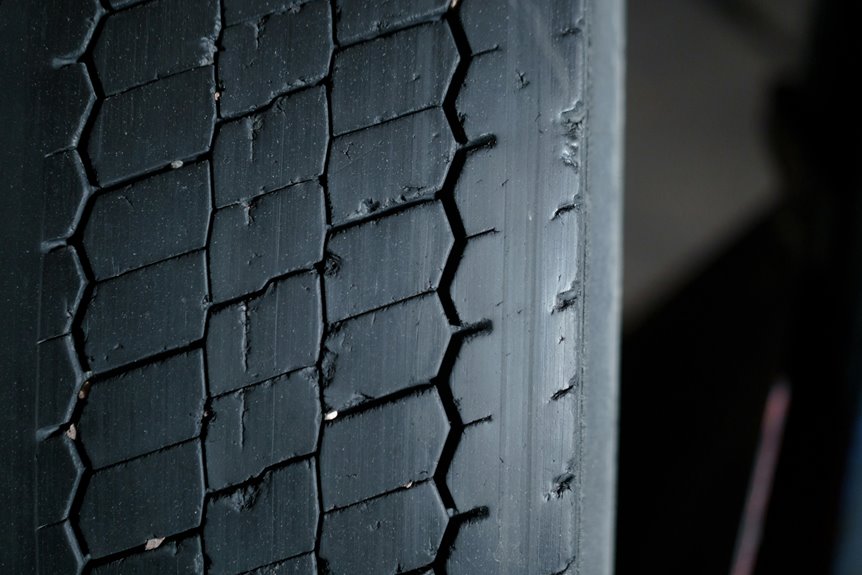
No, rubber isn’t a type of polyamide because their chemical structures are very different. Rubber is made of long flexible hydrocarbon chains that let it stretch and bounce back, while polyamides have rigid amide bonds giving them strength and heat resistance. Rubber’s elasticity suits products like tires, but polyamides work better for tougher, heat-exposed parts. If you want to understand why these differences matter and avoid common mix-ups, you’ll find more insights ahead.
Key Takeaways
- Rubber is composed of isoprene hydrocarbon chains, while polyamides contain amide (-CONH-) linkages in their backbone.
- Polyamides are rigid and strong, whereas rubber is highly elastic and flexible.
- Rubber has lower thermal resistance compared to heat-resistant polyamides.
- Applications differ: rubber suits cushioning and stretch, polyamides are used in durable mechanical parts.
- Despite name confusion, rubber and polyamides have distinct chemical structures and properties.
Understanding the Chemical Structure of Rubber
Although you might think rubber shares similarities with polyamides, its chemical structure sets it apart. Rubber primarily consists of long chains of isoprene units, a type of hydrocarbon. These chains are connected by carbon-carbon bonds, which give rubber its elastic properties.
Unlike polyamides, rubber lacks the amide groups (-CONH-) that define polyamide polymers. Its structure allows the chains to stretch and return to their original shape, making it flexible and resilient.
You’ll notice that rubber’s molecular arrangement is more about elasticity and less about the rigid, hydrogen-bonded networks polyamides form. Understanding this difference helps you see why rubber behaves so differently and why it isn’t classified as a polyamide, despite both being polymers used in various applications.
What Are Polyamides and Their Characteristics?
Polyamides are a group of polymers characterized by repeating units linked through amide bonds (-CONH-). You’ll find them in materials like nylon and Kevlar, known for their strength and durability. These polymers have high melting points, excellent chemical resistance, and good mechanical properties, making them ideal for textiles, automotive parts, and industrial applications. Understanding their traits helps you see why they differ from rubber.
| Characteristic | Description | Common Uses |
|---|---|---|
| Chemical Structure | Amide linkages (-CONH-) | Fibers, films, plastics |
| Mechanical Strength | High tensile strength | Clothing, ropes |
| Thermal Stability | High melting temperatures | Engineering components |
Key Differences Between Rubber and Polyamides
Understanding the key differences between rubber and polyamides helps you choose the right material for your project.
Both materials serve different purposes due to their unique properties. Here’s what sets them apart:
- Chemical Structure: Rubber is primarily made of long chains of isoprene or other monomers, while polyamides have repeating amide groups in their backbone.
- Flexibility: Rubber is highly elastic and can stretch considerably, whereas polyamides are more rigid and less elastic.
- Thermal Resistance: Polyamides generally withstand higher temperatures compared to rubber.
- Water Absorption: Polyamides tend to absorb moisture, impacting their mechanical properties, but rubber is mostly water-resistant.
Knowing these differences helps you avoid confusion and pick the material best suited for your needs.
Common Applications of Rubber vs. Polyamides
Knowing how rubber and polyamides differ helps you see why each material fits specific uses better.
Rubber’s flexibility and elasticity make it ideal for products like tires, seals, and vibration dampers. You’ll find rubber in hoses, gaskets, and footwear where cushioning and stretch are essential.
Rubber’s elasticity suits products needing cushioning and stretch, like tires, seals, and footwear.
On the other hand, polyamides (nylons) excel in strength and abrasion resistance. You use polyamides for mechanical parts such as gears, bearings, and automotive components that require durability and heat resistance. Their chemical resistance also suits them for textiles, ropes, and industrial fabrics.
By understanding these applications, you can choose the right material for your project, ensuring peak performance and longevity without confusion.
Rubber and polyamides serve distinct roles based on their unique physical properties.
Why Misconceptions About Rubber and Polyamides Occur
Although rubber and polyamides have distinct properties, their similar-sounding chemical names often confuse people. You might assume they’re related because both involve polymers, but that’s where the similarity ends.
Misconceptions arise for several reasons:
- Name Similarity: “Polyamide” sounds technical and vaguely like “polymer,” leading to mix-ups with rubber’s polymer nature.
- General Polymer Confusion: People often group all polymers together, not realizing their chemical structures differ.
- Overlapping Uses: Both materials appear in everyday items—like clothing and automotive parts—making it easy to blur lines.
- Lack of Chemistry Knowledge: Without understanding molecular differences, it’s easy to assume rubber is a type of polyamide.
Knowing these points helps you avoid common misunderstandings about these distinct materials.
Frequently Asked Questions
Can Rubber Be Recycled Like Polyamides?
Think of rubber and polyamides as two dancers with different styles. You can recycle both, but rubber’s tougher moves need special care, while polyamides glide through more common recycling processes that you can easily manage.
What Environmental Impact Does Rubber Production Have?
You’ll find rubber production impacts the environment through deforestation, water use, and chemical runoff. It can also release greenhouse gases. Being mindful about sourcing and recycling helps reduce its ecological footprint considerably.
Are Synthetic Rubbers Biodegradable?
When it comes to synthetic rubbers, you can’t just sweep them under the rug—they’re generally not biodegradable. You’ll find they persist in the environment, causing long-term pollution unless properly managed or recycled.
How Is Natural Rubber Harvested?
You harvest natural rubber by tapping rubber trees, making careful incisions in their bark to collect the latex sap. This sap coagulates into solid rubber, which you then process for various uses.
Do Polyamides Conduct Electricity?
Imagine a metal wire buzzing with electricity while a polyamide feels like a silent, sturdy rope. You won’t find polyamides conducting electricity because they’re insulators, keeping electric currents from flowing through them easily.