
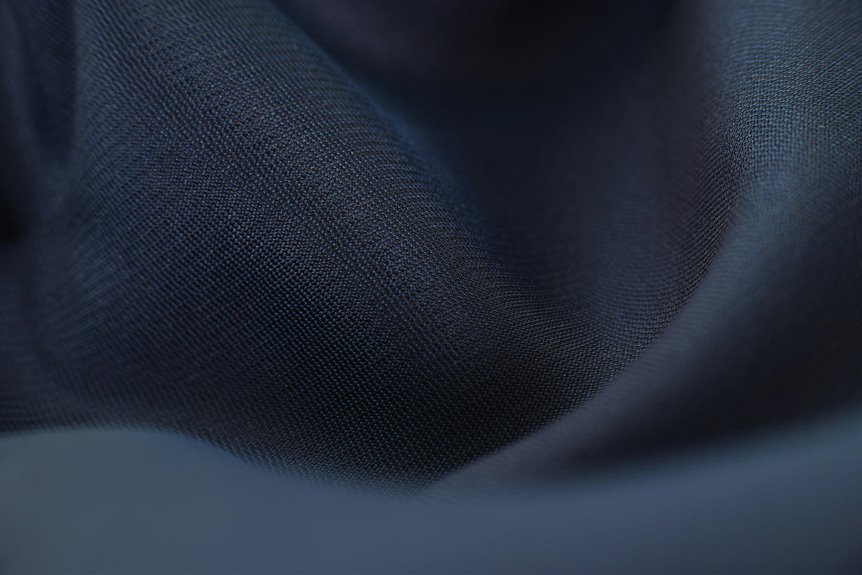
Yes, polyamide is a synthetic fiber made through a chemical process using petroleum-based materials. When you wear clothes containing polyamide, you’re wearing a man-made material designed to be strong, elastic, and moisture-wicking. Unlike natural fibers from plants or animals, polyamide fibers are produced in factories by polymerizing specific chemicals. This gives them unique durability and flexibility. If you’re curious about how it’s made or its environmental impact, there’s more to discover about this versatile fiber.
Key Takeaways
- Polyamide is a synthetic polymer made through chemical processes from petroleum-based monomers.
- It is not a natural fiber but a man-made material designed to mimic protein properties.
- Nylon, a common type of polyamide, is entirely synthetic and widely used in textiles and plastics.
- Polyamide fibers are produced by polymerizing diamines and dicarboxylic acids in an industrial process.
- Unlike natural fibers, polyamide is non-biodegradable and derived from fossil fuels.
What Is Polyamide?
Polyamide is a type of polymer that you’ll often find in textiles and plastics. When you hear “polyamide,” think of materials like nylon, which is a well-known example.
These polymers consist of repeating units linked by amide bonds, giving them strength and flexibility. You’ll see polyamide used in clothing, carpets, and even automotive parts because it resists wear and tear.
It’s lightweight yet durable, making it ideal for everyday items. Unlike natural fibers, polyamide is man-made, but it mimics some properties of natural proteins like silk or wool.
The Manufacturing Process of Polyamide
Although it might seem complex, the manufacturing process of polyamide starts with combining specific chemical compounds through polymerization.
You begin by reacting monomers like diamines and dicarboxylic acids to form long molecular chains. This creates the base polyamide polymer.
Then, the polymer is melted and extruded through spinnerets to form fine fibers. These fibers are cooled and stretched to improve strength and flexibility.
Finally, the fibers are spun into yarns or fabrics for various uses.
Here’s a quick breakdown:
- Polymerization of monomers to form polyamide chains
- Melting and extrusion through spinnerets
- Cooling and stretching fibers for enhanced properties
- Spinning fibers into yarns or fabrics
This streamlined process lets you produce versatile polyamide materials efficiently.
Natural Vs Synthetic Fibers: Key Differences
You’ll notice natural and synthetic fibers differ in where they come from, their impact on the environment, and how they perform.
Understanding these differences helps you make smarter choices about the materials you use.
Let’s explore what sets them apart in these key areas.
Origin of Fibers
When you look at fibers, understanding their origin helps you distinguish between natural and synthetic types.
Natural fibers come from plants or animals, while synthetic fibers are man-made through chemical processes. Knowing this difference guides you in choosing materials based on your needs.
Here’s how fiber origins break down:
- Natural Fibers – Derived directly from plants (like cotton) or animals (such as wool).
- Synthetic Fibers – Created in labs using petrochemicals, like polyamide and polyester.
- Regenerated Fibers – Made by chemically processing natural materials, like rayon from cellulose.
- Blended Fibers – Combine natural and synthetic fibers for enhanced properties.
Environmental Impact
Understanding where fibers come from sets the stage for examining how they affect the environment. Natural fibers like cotton and wool come from plants and animals, which requires land, water, and sometimes pesticides. Synthetic fibers such as polyamide are made from petroleum, involving energy-intensive processes and generating greenhouse gases. When you choose fibers, consider their biodegradability and resource use.
| Aspect | Natural Fibers |
|---|---|
| Resource Use | Water, land, pesticides |
| Energy Consumption | Lower than synthetics |
| Biodegradability | Biodegradable |
| Pollution Impact | Agricultural runoff |
| Aspect | Synthetic Fibers |
| Resource Use | Petroleum-based |
| Energy Consumption | High |
| Biodegradability | Non-biodegradable |
| Pollution Impact | Microplastic pollution |
These factors help you weigh environmental impacts wisely.
Performance Characteristics
Although natural and synthetic fibers differ in origin, their performance characteristics often determine which one suits your needs best.
When choosing between polyamide (a synthetic fiber) and natural fibers, consider these key differences:
- Durability: Polyamide is highly durable and resists wear and tear better than many natural fibers.
- Moisture Management: Natural fibers like cotton absorb moisture, while polyamide wicks it away, keeping you dry.
- Elasticity: Polyamide stretches and recovers its shape more easily, providing better fit and comfort.
- Breathability: Natural fibers generally offer superior breathability, which can be important in hot climates.
Is Polyamide a Man-Made Fiber?
Because polyamide fibers are created through a chemical process rather than harvested from natural sources, you can consider them man-made. You won’t find polyamide growing on trees or in animals; instead, it’s synthesized in labs using petrochemicals. This process allows manufacturers to control fiber properties precisely, creating versatile materials like nylon. When you compare polyamide to natural fibers, the differences become clear:
| Feature | Polyamide | Natural Fibers |
|---|---|---|
| Origin | Synthetic | Plant/Animal |
| Production | Chemical process | Harvested |
| Durability | High | Variable |
| Moisture Absorption | Low | Higher |
Common Uses of Polyamide in Textiles and Beyond
You’ll find polyamide widely used in textiles, from clothing to sportswear, thanks to its strength and elasticity.
It also plays a key role in industrial and automotive parts, where durability matters.
Beyond that, polyamide shows up in many everyday products you use without even noticing.
Textile Industry Applications
When you explore the textile industry, you’ll find polyamide plays an essential role in creating durable, lightweight, and elastic fabrics.
You’ll notice it’s widely used because it resists wear and tear, handles moisture well, and stretches without losing shape. This makes it a favorite for many textile applications.
Here are some common uses you’ll see:
- Activewear and sportswear, where flexibility and moisture management matter.
- Hosiery and tights, benefiting from its smooth texture and elasticity.
- Outdoor gear like tents and backpacks, valued for strength and durability.
- Upholstery and carpets, which require resistance to abrasion and easy maintenance.
Industrial and Automotive Uses
Although polyamide is well-known for its role in textiles, it also proves invaluable in industrial and automotive sectors. When you look under the hood or at vehicle interiors, polyamide components often catch your eye.
You’ll find polyamide used in engine parts, fuel lines, and electrical connectors because it resists heat, chemicals, and wear. Its strength and lightweight nature make it perfect for gears, bearings, and structural components, improving fuel efficiency and durability.
In industrial machinery, polyamide helps you by providing reliable, long-lasting parts that reduce maintenance needs.
Everyday Consumer Products
Since polyamide offers durability and flexibility, it’s a popular choice in many everyday consumer products. You’ll find it woven into textiles and integrated into various items you use daily.
Its strength and resistance to wear make it ideal for products that need to last while staying comfortable or functional. Here are some common uses you might encounter:
- Activewear and sportswear – polyamide fibers keep clothes lightweight, breathable, and stretchy.
- Hosiery and lingerie – it provides a smooth, snug fit and resists runs.
- Carpets and upholstery – polyamide’s durability helps furniture and floors withstand heavy use.
- Kitchen utensils and appliance casings – it’s heat-resistant and tough for long-lasting performance.
Environmental Impact of Polyamide Production
Understanding the environmental impact of polyamide production is essential if you want to make informed choices about the materials you use. Polyamide, being synthetic, relies heavily on fossil fuels, contributing to carbon emissions and resource depletion. The manufacturing process also consumes significant water and energy, affecting ecosystems. However, innovations aim to reduce these effects.
| Impact Factor | Description | Effect |
|---|---|---|
| Carbon Emissions | Fossil fuel use | Global warming |
| Water Consumption | High during production | Water scarcity |
| Energy Usage | Intensive energy input | Resource depletion |
| Waste Generation | Chemical by-products | Pollution risk |
How to Identify Polyamide in Clothing Labels
How can you quickly spot polyamide when checking clothing labels? You’ll want to look for specific keywords and abbreviations that indicate this synthetic fiber.
Here’s how to identify polyamide on labels:
- Look for “Polyamide” spelled out fully.
- Check for common abbreviations like “PA” or “Nylon.”
- Note the fabric composition percentages—polyamide might be blended with other fibers.
- Watch for care instructions that suggest machine washing at low temperatures, as polyamide often requires gentle handling.
Frequently Asked Questions
Can Polyamide Be Recycled Effectively?
You can recycle polyamide, but it’s not always straightforward. It requires specialized facilities, and the process can be energy-intensive. Still, with proper sorting and technology, you can effectively recycle polyamide into new products.
How Does Polyamide Compare to Polyester?
You’ll find polyester uses about 70% less water than polyamide during production. While polyamide offers better elasticity and durability, polyester excels in moisture-wicking and dries faster, making each ideal for different activewear needs.
Is Polyamide Hypoallergenic for Sensitive Skin?
You might find polyamide suitable for sensitive skin, as it’s generally hypoallergenic and smooth. However, everyone’s different, so test it first to make certain it doesn’t cause irritation or allergic reactions before committing to wearing it regularly.
What Are the Care Instructions for Polyamide Fabrics?
Did you know polyamide fabrics can last up to five times longer than cotton? You should wash them in cold water, avoid bleach, tumble dry low, and iron on a cool setting to keep them looking great.
Does Polyamide Cause Static Electricity Buildup?
Yes, polyamide can cause static electricity buildup because it’s a synthetic fiber that doesn’t absorb moisture well. You’ll notice static especially in dry conditions, so using fabric softeners or humidifiers can help reduce it.