
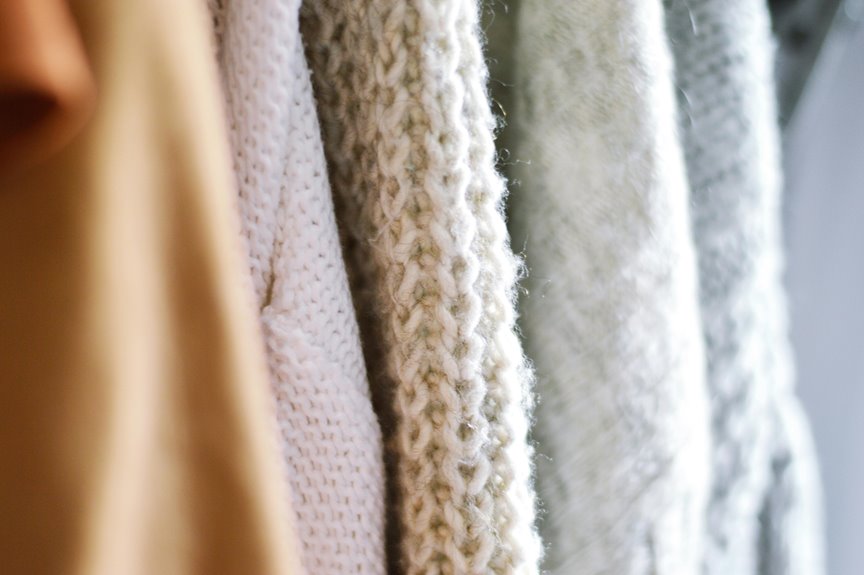
You’ll find polyamide great for winter wear because it traps heat while staying lightweight and breathable. It wicks moisture away quickly, keeping you dry and comfortable in cold weather. Plus, its durability means your gear lasts longer without sagging or fading. It also blocks wind and dries faster than cotton or wool. If you want to understand how polyamide compares to other fabrics and how to care for it, there’s more useful info ahead.
Key Takeaways
- Polyamide traps body heat with air pockets, providing effective insulation while remaining lightweight for comfortable winter layering.
- It wicks moisture away and dries quickly, keeping skin dry and reducing chill in cold conditions.
- The fabric resists wind and abrasion, enhancing protection and durability in harsh winter environments.
- Polyamide retains shape and stretch after wear, ensuring long-lasting comfort and fit in winter garments.
- It is less warm than wool or down but works well combined with other insulating layers for versatile winter wear.
What Is Polyamide and How Is It Made?
Polyamide, commonly known as nylon, is a synthetic fabric made from long chains of polymers.
Polyamide, or nylon, is a synthetic fabric crafted from long polymer chains.
When you look at polyamide, you’re seeing a material created through a chemical process called polymerization, where smaller molecules, called monomers, link up to form these long molecular chains. This process usually involves combining diamines and dicarboxylic acids under controlled conditions.
You’ll find that polyamide fibers are then spun into threads, which manufacturers use to weave or knit fabric. Because it’s man-made, polyamide can be engineered for specific qualities like strength and elasticity.
Understanding how it’s made helps you appreciate why polyamide is popular in textiles, especially for activewear and outerwear, thanks to its durability and versatility.
Key Properties of Polyamide Fabric
When you choose polyamide fabric, you get a material known for its impressive strength and elasticity. This means your winter gear can stretch comfortably without losing shape.
Polyamide is also lightweight and highly durable, resisting wear and tear even in active use. It dries quickly, so you won’t stay damp after sweating or encountering snow.
Plus, it’s resistant to abrasion and chemicals, making it a reliable choice for harsh outdoor conditions. You’ll appreciate its smooth texture that feels soft against your skin, reducing irritation during long wear.
Additionally, polyamide resists wrinkles and holds color well, keeping your winter clothes looking fresh. These properties make polyamide a practical fabric for winter apparel that demands both comfort and resilience.
Polyamide’s Insulation Capabilities in Cold Weather
Although it’s not the warmest fabric on its own, you’ll find that polyamide offers decent insulation by trapping a layer of air close to your body. This trapped air helps reduce heat loss, keeping you warmer in chilly conditions.
Polyamide’s lightweight nature means you won’t feel weighed down, making it ideal for layering. Its tightly woven structure also blocks wind, adding another layer of protection.
When you wear polyamide, you benefit from:
- Air pockets that retain body heat
- A snug fit that minimizes cold drafts
- Lightweight warmth without bulk
- Wind resistance to shield you outdoors
- Compatibility with other insulating layers
This makes polyamide a practical choice for staying comfortable when temperatures drop.
Moisture Wicking and Breathability of Polyamide
You’ll want to know how polyamide handles moisture when you’re active in winter.
It efficiently wicks sweat away from your skin, keeping you dry and comfortable.
Plus, its breathability guarantees good airflow, preventing overheating while maintaining warmth.
Moisture Management Efficiency
Because polyamide fibers excel at moisture wicking, they keep you dry by quickly drawing sweat away from your skin. This efficient moisture management helps prevent discomfort and chills during cold winter activities.
You’ll appreciate how polyamide’s breathability complements this by allowing moisture vapor to escape, reducing clamminess. When you wear polyamide, you experience:
- Quick sweat absorption and surface evaporation
- Reduced moisture buildup inside layers
- Dry, comfortable skin during intense movement
- Enhanced warmth retention without dampness
- Less risk of cold-related chills due to wet fabric
These features make polyamide ideal for winter wear, especially if you engage in outdoor sports or need reliable base layers that handle moisture effectively.
You stay warm, dry, and comfortable even when temperatures drop.
Airflow and Ventilation
Anyone who spends time outdoors in winter knows how essential airflow and ventilation are for staying comfortable.
Polyamide fabrics excel here because they’re designed to wick moisture away from your skin quickly. This means sweat doesn’t get trapped, reducing the chill that dampness can cause. The synthetic fibers allow air to circulate, helping to regulate your body temperature without letting cold air in excessively.
When you move or sweat, polyamide’s breathability keeps you dry and prevents overheating. However, while polyamide supports good ventilation, it’s often best used in layers, combined with other materials to balance airflow and insulation.
Comfort in Cold Weather
Beyond airflow and ventilation, comfort in cold weather heavily depends on how well your clothing manages moisture and breathability.
Polyamide excels here by efficiently wicking sweat away from your skin, keeping you dry and warm. Its breathable nature prevents overheating, balancing insulation with moisture control.
When you choose polyamide for winter wear, you get fabric that adapts to your activity level and external conditions. Imagine:
- Dry skin even during intense outdoor activities
- Reduced clamminess from trapped sweat
- Lightweight layers that breathe easily
- Less risk of chills caused by damp fabric
- Comfortable warmth without bulkiness
With polyamide, you stay comfortable inside your layers, no matter how cold it gets outside.
It’s a smart choice for winter comfort.
Durability and Stretch: Benefits for Winter Wear
When you choose polyamide for your winter wardrobe, you benefit from its impressive durability and natural stretch.
Polyamide fibers resist wear and tear, so your winter clothes last longer despite frequent use and harsh conditions. You won’t have to worry about fabric pilling or deformation, which keeps your garments looking fresh season after season.
The stretch in polyamide also means your clothes move with you, offering flexibility whether you’re layering or engaging in outdoor activities. This elasticity helps maintain the shape of your garments, preventing sagging or bagging over time.
With polyamide, you get winter wear that’s not only tough but also adapts comfortably to your movements, making it an excellent choice when you want reliable, long-lasting cold-weather clothing.
Comparing Polyamide to Natural Fibers in Winter
Although natural fibers like wool and cotton have long been popular choices for winter clothing, polyamide offers several advantages that might surprise you.
Natural fibers like wool and cotton are popular, but polyamide brings surprising winter clothing benefits.
Unlike natural fibers, polyamide is lightweight yet strong, making it ideal for layering. It resists moisture better, keeping you drier in snowy or wet conditions. Plus, its quick-drying nature means less chill from damp fabric.
While wool insulates well, polyamide can provide similar warmth when blended with other materials. Here’s what you should know:
- Polyamide dries faster than cotton and wool
- It resists abrasion better, lasting longer under harsh winter use
- Retains shape and stretch after repeated wear
- Offers wind resistance that natural fibers may lack
- Often less itchy and more comfortable against skin
Polyamide’s unique properties make it a smart winter fabric choice.
Common Winter Garments Made From Polyamide
When you pick a winter jacket made from polyamide, you get durability and water resistance that keep you warm.
You’ll also find thermal underwear crafted with polyamide offers great moisture-wicking to stay comfortable.
Plus, polyamide socks provide extra insulation to protect your feet from the cold.
Polyamide Winter Jacket Types
You’ll find several popular types of winter jackets made from polyamide that combine warmth, durability, and water resistance.
These jackets are designed to keep you comfortable in harsh conditions without weighing you down. Whether you’re heading out for a casual day or tackling extreme weather, there’s a polyamide jacket suited for you.
Here are some common types:
- Puffer Jackets: Insulated and quilted for maximum warmth.
- Softshell Jackets: Flexible, breathable, and water-resistant for active use.
- Parkas: Longer length with added insulation and often fur-lined hoods.
- Windbreakers: Lightweight, blocking wind and light rain.
- Ski Jackets: Designed specifically for snow sports with reinforced areas and waterproof membranes.
Each type offers unique features tailored to different winter needs.
Thermal Underwear Benefits
Because polyamide fibers trap heat efficiently while remaining lightweight, thermal underwear made from this material keeps you warm without bulk.
When you wear polyamide thermal layers, you benefit from excellent moisture-wicking properties that pull sweat away from your skin, keeping you dry and comfortable during winter activities.
The fabric’s durability means your thermal underwear holds up well to frequent use and washing, saving you money over time.
Plus, polyamide stretches easily, so your base layers fit snugly without restricting movement—great for layering under heavier garments.
You’ll also appreciate how quickly polyamide dries, reducing chill from dampness.
Polyamide Socks Advantages
Polyamide socks offer excellent warmth and comfort during cold months, making them a popular choice for winter wear. You’ll find they wick moisture effectively, keeping your feet dry and cozy.
Plus, they dry quickly, so you won’t be stuck with damp socks after a snowy day. Their durability means they resist wear and tear, lasting through many winters.
Polyamide also provides a snug fit, preventing blisters and discomfort during long outdoor activities. If you’re active in winter sports or just want reliable warmth, polyamide socks have you covered.
- Moisture-wicking to keep feet dry
- Quick-drying fabric for comfort
- Durable against holes and tears
- Snug, supportive fit that prevents blisters
- Lightweight yet warm for all-day wear
Care Tips for Polyamide Winter Clothing
Caring for your polyamide winter clothing properly can extend its lifespan and maintain its insulating properties.
Always wash polyamide garments in cold or lukewarm water using a gentle cycle to prevent damage. Use mild detergents and avoid bleach or fabric softeners, as they can break down fibers.
Turn your clothes inside out before washing to protect the surface. After washing, air dry your garments flat or hang them in a shaded area; avoid direct sunlight and high heat from dryers, which can cause shrinkage or weakening.
If ironing is necessary, use a low heat setting and place a cloth between the iron and fabric.
Following these simple care tips guarantees your polyamide winter clothing stays comfortable, durable, and effective at keeping you warm throughout the season.
Potential Drawbacks of Using Polyamide in Winter
While polyamide offers many benefits for winter wear, you should also be aware of its limitations. It doesn’t always provide the natural warmth you might expect from wool or down, so you could feel colder in extreme conditions.
Polyamide benefits winter wear but lacks the natural warmth of wool or down in extreme cold.
Polyamide can also trap odors, which means your winter clothes might need more frequent washing. Additionally, it’s not as breathable as some natural fibers, potentially causing discomfort during high activity.
You should also consider environmental impact, as polyamide is a synthetic material derived from petroleum. Finally, polyamide fabrics can pill over time, affecting the garment’s look and feel.
- Less insulating in very cold weather
- Can retain unpleasant odors
- Limited breathability during exercise
- Environmental concerns due to synthetic origin
- Fabric pilling reduces appearance and comfort
Frequently Asked Questions
Can Polyamide Fabrics Cause Allergic Reactions in Sensitive Skin?
You might experience allergic reactions if your skin is sensitive to polyamide fabrics. They can sometimes cause irritation or itching, so it’s best to test a small area first before wearing polyamide clothing for extended periods.
Is Polyamide Environmentally Friendly and Biodegradable?
You shouldn’t count on polyamide being environmentally friendly or biodegradable since it’s a synthetic fiber derived from petroleum. It takes a long time to break down and can contribute to microplastic pollution in oceans.
How Does Polyamide Fabric Perform in Wet Snow Conditions?
Coincidentally, when you wear polyamide in wet snow, you’ll find it repels moisture well and dries quickly. It keeps you comfortable, preventing sogginess, but remember, it’s less insulating when soaked, so layering’s key for warmth.
Are There Any Specific Brands Known for Quality Polyamide Winter Wear?
You’ll find brands like Arc’teryx, Patagonia, and The North Face excel in quality polyamide winter wear. They use durable, water-resistant fabrics that keep you warm and dry during harsh winter conditions, ensuring reliable performance.
Can Polyamide Clothing Be Safely Dyed at Home?
Dyeing polyamide at home is like painting on silk—delicate but doable. You’ll need acid dyes and careful heat control to avoid damage. So, yes, you can safely dye it if you handle it gently and follow instructions closely.