
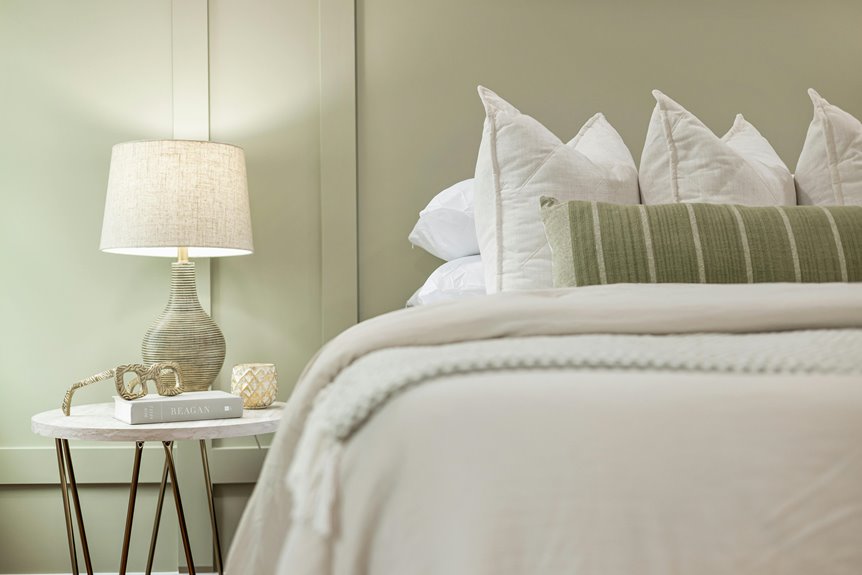
You might think comparing percale and cotton makes sense, but it’s a bit misleading since percale is a weave and cotton is a fiber. Percale’s crisp, breathable texture comes from its tight one-over-one-under weave, often using cotton fibers. Meanwhile, cotton’s softness and durability vary by fiber type. So, whether percale feels better depends on both the weave and the cotton quality. Keep exploring, and you’ll uncover how these factors shape your perfect bedding choice.
Key Takeaways
- Percale describes a fabric weave pattern, while cotton is a fiber; comparing them directly is misleading as they refer to different aspects.
- Percale is typically made from cotton but focuses on a crisp, breathable plain weave, not the fiber’s natural properties alone.
- Cotton quality (e.g., long-staple fibers) affects softness and durability more significantly than whether the fabric is percale or another weave.
- Percale sheets offer a cool, matte finish ideal for warm sleepers, whereas cotton fiber quality impacts comfort and longevity across all weaves.
- Choosing bedding should consider both fiber type and weave pattern together, rather than viewing percale and cotton as mutually exclusive options.
Understanding Percale: What Is It?
Percale is a type of fabric weave known for its crisp, cool feel and durability. When you choose percale, you’re opting for a plain weave where the threads are tightly woven in a one-over, one-under pattern.
This structure gives the fabric a smooth surface and a matte finish, unlike satin weaves that appear shiny. You’ll notice percale’s breathability immediately, making it perfect for warmer climates or those who tend to sleep hot.
Its tight weave also makes it long-lasting and resistant to pilling. Typically, percale uses cotton fibers, but it can be woven from other materials too.
Understanding percale means recognizing it as a weave style, not a fiber type, which is key to grasping why comparing it directly to cotton can be misleading.
What Makes Cotton Unique?
You’ll appreciate cotton’s natural fiber benefits, like breathability and softness that keep you comfortable all night.
Plus, cotton comes in several varieties, each with unique qualities that affect feel and durability.
Understanding these differences helps you choose the best cotton for your bedding needs.
Natural Fiber Benefits
Although many fabrics promise comfort, cotton stands out because of its natural fiber benefits that enhance breathability, softness, and durability.
When you choose cotton, you’re opting for a fabric that naturally allows air to circulate, keeping you cool and reducing moisture buildup. This breathability makes it ideal for bedding and clothing, especially if you tend to overheat.
Cotton’s fibers also feel incredibly soft against your skin, providing comfort without irritation. Plus, its durability means your cotton items can withstand frequent washing and wear without losing shape or softness.
Because cotton is a renewable, biodegradable resource, you’re also making an eco-friendlier choice.
Cotton Varieties Overview
When you explore cotton varieties, you’ll find that each type offers distinct qualities that affect texture, strength, and feel. Knowing these differences helps you choose cotton that suits your needs, whether it’s for softness, durability, or breathability. For example, Egyptian cotton is prized for its extra-long fibers, making it softer and stronger, while Pima cotton offers a smooth texture with excellent durability. Upland cotton, the most common type, balances cost and quality, making it a versatile choice.
| Cotton Variety | Key Feature |
|---|---|
| Egyptian Cotton | Extra-long fibers, very soft and strong |
| Pima Cotton | Smooth texture, durable |
| Upland Cotton | Affordable, versatile |
Understanding these distinctions helps you pick the right cotton for your bedding or clothing.
How Percale Weave Affects Fabric Texture
You’ll notice that the percale weave gives the fabric a crisp, matte finish that feels cool to the touch.
Unlike sateen, percale offers greater breathability and a lighter texture, making it perfect for warmer nights.
Plus, its tight weave boosts durability, so your sheets stay smooth and strong over time.
Percale Weave Characteristics
Because percale uses a tight, plain weave with one-over-one-under threads, it creates a crisp and smooth texture that feels cool to the touch.
This weave gives you a matte finish rather than a shiny one, which many find appealing for its understated look. You’ll notice the fabric is lightweight yet durable, thanks to the close interlacing of threads.
Percale’s structure also allows air to circulate easily, helping you stay comfortable throughout the night. When you run your hand over percale, you’ll feel its firmness and slight stiffness compared to other weaves.
This characteristic makes it resistant to pilling and fraying, ensuring your bedding lasts longer. Overall, percale’s weave impacts its breathability, durability, and tactile feel in distinct ways you’ll appreciate.
Texture Compared to Sateen
Percale’s crisp, matte finish sets it apart from sateen, which typically boasts a smoother, silkier surface with a subtle sheen.
When you touch percale, you’ll notice its cool, breathable feel, thanks to the tight, plain weave that creates a slightly textured fabric. In contrast, sateen’s weave produces a softer, almost satin-like texture that feels luxurious against your skin.
Here’s how percale’s texture compares:
- Percale feels crisp and fresh, ideal for those who prefer a matte look.
- It offers a bit more structure, making it less clingy.
- Percale’s texture tends to soften with each wash but retains its distinct crispness.
- The matte finish reduces light reflection, unlike sateen’s shiny surface.
Understanding these differences helps you choose fabric texture tailored to your comfort.
Breathability and Durability
While the percale weave creates its signature crisp texture, it also plays an essential role in ensuring excellent breathability and durability.
When you choose percale fabric, you’re getting a tight, plain weave that allows air to flow freely, keeping you cool and comfortable throughout the night. This breathability makes percale ideal for warmer climates or if you tend to sleep hot.
Additionally, the weave’s tight construction enhances durability, so your sheets resist wear and tear better over time. Unlike some softer weaves that may pill or lose shape, percale maintains its structure even after many washes.
Different Types of Cotton Fibers
Cotton comes in several varieties, each with unique qualities that affect the texture and durability of your sheets. Knowing these types helps you pick the best cotton for your bedding needs.
Different cotton varieties influence your sheets’ feel and longevity, guiding you to the perfect bedding choice.
Here are four common cotton fibers you’ll encounter:
- Upland Cotton – The most widely grown, it’s affordable and durable but has shorter fibers, which can feel rougher.
- Pima Cotton – Known for its long fibers, it’s softer and stronger, giving your sheets a smooth, luxurious feel.
- Egyptian Cotton – Famous for extra-long fibers, it offers superior softness and durability but comes at a premium price.
- Supima Cotton – A trademarked version of Pima, grown in the U.S., combining softness and strength with consistency.
Understanding these types helps you choose the cotton that fits your comfort and budget.
Comparing Breathability: Percale vs. Cotton
If you prioritize staying cool and comfortable through the night, understanding how percale and cotton differ in breathability is key.
Percale refers to a specific weave pattern, typically a tight, plain weave, that creates a crisp, lightweight fabric. This weave promotes excellent airflow, which helps wick moisture away and keeps you cooler.
On the other hand, cotton describes the fiber itself and can be woven in various ways, affecting breathability differently. While cotton fibers are naturally breathable and moisture-absorbent, the way they’re woven determines how well air circulates.
Percale sheets, made from cotton fibers, usually offer superior breathability compared to other cotton weaves like sateen.
Durability and Longevity of Percale and Cotton Sheets
Because percale uses a tight, plain weave, it generally holds up well to frequent washing and regular use, maintaining its crisp texture over time.
When you’re choosing between percale and other cotton weaves, consider these durability factors:
- Weave Strength: Percale’s plain weave resists wear better than looser weaves.
- Fiber Quality: Long-staple cotton fibers last longer, whether in percale or other cotton sheets.
- Washing Care: Gentle, cold washes extend any sheet’s lifespan, including percale.
- Pilling Resistance: Percale tends to pill less, preserving smoothness longer.
In short, if you want sheets that stay crisp and durable, percale is a solid choice.
But remember, cotton’s overall durability depends more on fiber quality and care than weave alone.
Feel and Comfort: What to Expect
You’ll notice distinct differences in feel and comfort when comparing percale to other cotton sheets.
Percale offers a crisp, cool touch that feels lightweight and breathable, perfect if you tend to sleep hot or prefer a fresh, airy sensation. It has a matte finish and a slightly textured surface, giving it a clean, tailored feel.
In contrast, other cotton weaves like sateen feel softer and silkier, with a sheen that some find more luxurious. However, percale’s breathability excels in warmer climates or for those who sweat at night.
Keep in mind, percale softens with each wash but maintains its crispness.
Ultimately, your comfort depends on whether you favor a cooler, crisper feel or a silky smoothness in your sheets.
Common Misconceptions About Percale and Cotton
You might think percale and cotton are completely different, but percale is actually a type of cotton weave.
It’s easy to mix up the material with the fabric’s finish, which can lead to confusion about their qualities.
Let’s clear up these common misunderstandings so you know exactly what you’re getting.
Percale Vs Cotton Differences
How do percale and cotton really differ? It’s a common confusion since percale is actually a type of cotton weave, not a separate material. Here’s what you need to know:
- Material Origin: Percale refers to a tight, plain weave, while cotton is the natural fiber itself.
- Texture: Percale feels crisp and cool, perfect if you like a matte finish; cotton’s feel varies depending on the weave.
- Durability: Percale’s tight weave generally makes it more durable than other cotton weaves.
- Breathability: Both are breathable, but percale’s weave enhances airflow, keeping you cooler at night.
Material Misunderstandings Clarified
Understanding the differences between percale and cotton often leads to some common misconceptions about what each term actually means. You might think they’re directly comparable, but percale refers to a weaving style, while cotton is a fiber. This mix-up can confuse you when choosing bedding.
Here’s a quick breakdown:
| Misconception | Reality |
|---|---|
| Percale is a type of cotton | Percale describes a tight weave pattern. |
| Cotton defines quality | Cotton quality varies; weave affects feel. |
| Percale is always softer | Percale is crisp and breathable, not soft. |
Knowing this helps you pick bedding that suits your comfort, not just marketing terms.
How Thread Count Influences Sheet Quality
Although thread count often grabs your attention when shopping for sheets, it’s not the sole factor determining their quality. You might assume higher thread counts always mean better sheets, but that’s not always true.
Here’s how thread count influences sheet quality:
- Comfort – Moderate thread counts (200-400) typically offer a good balance of softness and breathability.
- Durability – Higher thread counts can increase strength but only if the threads are long and tightly spun.
- Breathability – Excessively high thread counts may reduce airflow, making sheets less comfortable in warm weather.
- Fabric Type – Thread count matters more when paired with quality fibers like long-staple cotton, not synthetic blends.
Focus on the right thread count combined with fiber quality rather than just chasing numbers.
Caring for Percale and Cotton Bedding
When you care for percale and cotton bedding properly, you preserve their softness and durability.
Always wash your sheets in cold or warm water to prevent shrinking and maintain fabric strength. Use a gentle detergent, avoiding bleach, which can damage fibers over time.
To keep percale crisp and cotton smooth, dry them on a low heat setting or line dry when possible. Overdrying can weaken threads and cause stiffness. Ironing is optional but can restore percale’s crispness if you prefer.
Avoid fabric softeners; they leave residue that reduces breathability. Finally, store your bedding in a cool, dry place to prevent mildew and yellowing.
Choosing Bedding Based on Your Sleep Preferences
Taking good care of your percale and cotton bedding guarantees they stay comfortable, but choosing the right fabric also depends on your personal sleep preferences.
To pick the best option, consider these factors:
- Temperature Regulation: If you sleep hot, percale’s crisp weave promotes airflow, keeping you cooler. Cotton’s softness suits cooler sleepers.
- Texture Preference: Percale feels crisp and smooth, while cotton can feel softer and more pliable.
- Durability Needs: Percale tends to be more durable and wrinkle-resistant, great if you want long-lasting bedding.
- Allergy Sensitivity: Both are breathable, but organic cotton may better suit sensitive skin or allergies.
Frequently Asked Questions
Can Percale Sheets Be Made From Synthetic Fibers?
Imagine percale sheets as a crisp morning breeze—they’re typically cotton, but you can find synthetic versions too. So, yes, you can get percale made from synthetic fibers, though it might feel less natural.
Is Percale Fabric Suitable for Upholstery or Curtains?
You can use percale fabric for curtains since it’s lightweight and breathable, but it’s not ideal for upholstery because it lacks durability and thickness needed to withstand heavy wear and tear over time.
How Does Percale Compare to Satin Weave Fabrics?
You’ll find percale’s plain weave feels crisp and matte, while satin weave fabrics offer a smooth, shiny surface. Percale’s durability suits everyday use, but satin’s softness makes it ideal for luxurious bedding or garments.
Are Percale Sheets Hypoallergenic?
In the age of knights and castles, you’d find percale sheets naturally hypoallergenic because they’re tightly woven, breathable, and resist dust mites. You’ll sleep cleaner, fresher, and more comfortably with these crisp cotton sheets every night.
Do Percale Sheets Shrink After Washing?
Percale sheets can shrink a bit after washing, especially if you use hot water or high heat drying. To keep them from shrinking, wash in cold water and tumble dry on low or air dry them instead.