
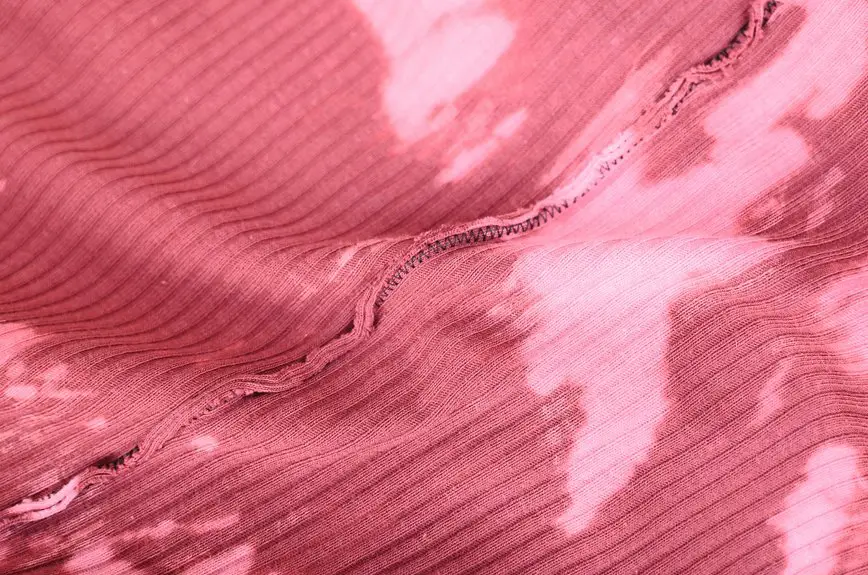
Imagine a fabric that seems to resist the chaos of everyday life, much like a superhero in a bustling city. That’s where linen steps in, showcasing its unique properties that contribute to stain resistance. But how exactly does this natural fiber manage to fend off spills and stains? Understanding the durability and characteristics of linen can shed light on its practicality for your needs.
Key Takeaways
- Linen’s natural fibers contribute to its stain resistance by minimizing moisture retention and liquid absorption.
- The low absorbency of linen prevents spills from seeping into the fibers, allowing for easier cleanup.
- Strong and resilient fibers resist wear and tear, which helps avoid trapping stains.
- Natural oils present in linen assist in repelling certain substances, enhancing its stain-fighting abilities.
- Regular maintenance and immediate spot cleaning further improve linen’s effectiveness against stains.
The Durability and Low Absorbency of Linen
Linen is known for its impressive durability and low absorbency, making it a popular choice for various fabrics. When you choose linen, you’re opting for a material that can withstand wear and tear better than many others.
This resilience means your linen items, whether clothing or home textiles, can last for years with proper care. Its low absorbency also plays a role in preventing moisture buildup, which can lead to odors or mildew.
You’ll find that spills and stains don’t seep into the fibers as easily, giving you more time to clean them up. Overall, the combination of durability and low absorbency makes linen a smart choice for anyone seeking longevity and practicality in their fabrics.
Natural Properties That Affect Stain Resistance
The natural fibers of linen play a significant role in its stain resistance. When you choose linen, you’re opting for a fabric that’s not only stylish but also practical. Its unique properties help minimize the absorption of liquids and stains, making it easier to maintain.
Here are some key factors that contribute to linen’s natural stain resistance:
- Low moisture retention: Linen doesn’t hold onto liquids as much as other fabrics.
- Breathability: This allows air to circulate, reducing the chances of mildew and odors.
- Strength: The fibers are durable, helping resist wear and tear that can trap stains.
- Natural oils: Linen contains natural oils that can repel certain substances, adding to its stain-fighting abilities.
With these properties, linen remains a smart choice for your wardrobe and home.
The Role of Treatments in Enhancing Stain Resistance
While linen’s natural properties offer a solid foundation for stain resistance, treatments can greatly enhance its protective capabilities. By applying stain-resistant finishes, you can create a barrier that repels liquids and prevents stains from setting in.
These treatments often involve chemicals that bond with the fibers, making them more resilient against spills and dirt. You might also find options that add durability, helping your linen withstand frequent washing without losing effectiveness.
However, it’s crucial to choose treatments that are safe and compatible with linen to maintain its breathability and softness. With the right enhancements, your linen can remain beautiful and functional, allowing you to enjoy its elegance without worrying about stains.
Cleaning and Maintenance Practices for Linen
To keep your linen looking its best, regular cleaning and proper maintenance are essential. You should wash your linen regularly to prevent dirt and stains from settling in. Use a gentle cycle with cold water and mild detergent to protect the fibers. Avoid bleach, as it can weaken the fabric and alter its color.
Here are some tips to help you maintain your linen:
- Air dry your linen whenever possible to avoid shrinkage.
- Iron on a low setting when slightly damp for a crisp finish.
- Store in a cool, dry place to prevent mildew.
- Spot clean any stains immediately to avoid permanent marks.
With these practices, your linen can stay fresh and beautiful for years.
Specialized Stain-Resistant Linen Options
If you’re looking for linen that can withstand spills and stains more effectively, specialized stain-resistant options are available.
These fabrics undergo treatments that repel liquids and resist staining, making them perfect for high-traffic areas or lively gatherings. Brands often use advanced technologies, such as Teflon or other water-repellent coatings, to enhance the fabric’s durability without compromising its breathability and softness.
Specialized fabrics repel liquids and resist stains, ideal for lively gatherings while maintaining breathability and softness.
When shopping, check labels for these treatments to verify you’re selecting the best option for your needs.
Additionally, some manufacturers offer eco-friendly stain-resistant linens, combining sustainability with practicality.
With these specialized linens, you can enjoy the beauty of natural fibers while minimizing worries about everyday accidents and messes.
Frequently Asked Questions
Can Linen Fabrics Be Dyed Without Affecting Stain Resistance?
You can dye linen fabrics, but the dyeing process might affect their overall properties. Certain dyes can change how the fabric interacts with stains, potentially reducing its natural resistance. Always test a small sample first.
How Does Linen Compare to Cotton in Stain Resistance?
You might think cotton’s softer, but when it comes to stain resistance, linen holds up better. Its natural fibers repel spills more effectively, giving you an edge in keeping your fabrics looking fresh and clean.
Are There Specific Foods That Stain Linen More Easily?
Certain foods like beet juice, red wine, and tomato sauce stain linen more easily. If you spill these, act quickly to minimize stains. Always blot instead of rubbing to help preserve your linen’s integrity.
Can I Use Bleach on Linen to Remove Stains?
Imagine spilling red wine on your favorite linen tablecloth. You might think bleach can save it, but it can weaken fibers and cause discoloration. Instead, try a gentle stain remover specifically designed for linen.
What Colors Show Stains More Prominently on Linen?
Darker colors like navy or burgundy can hide stains better, while lighter shades, especially white or cream, show stains more prominently. You’ll want to be extra cautious with spills on those lighter linens!