
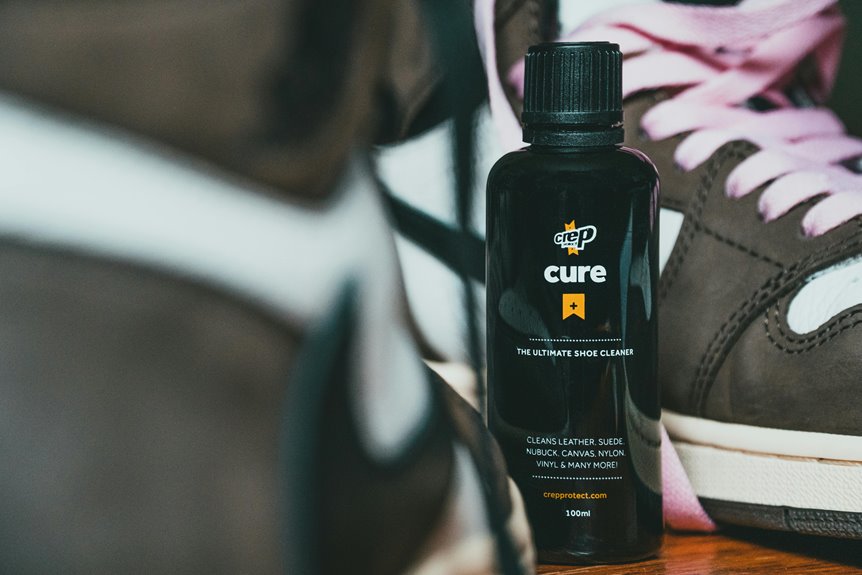
You can lighten dark suede fabric, but you’ll need to handle it gently to avoid damage. Because suede is delicate and porous, harsh chemicals or excessive moisture can ruin its texture and color. Using mild methods like sunlight exposure, baking soda, or suede erasers can help fade it subtly. Testing on small spots first is vital. If you want to know the best techniques and how to protect your suede while lightening it, keep exploring these helpful tips.
Key Takeaways
- Lightening dark suede is possible but risky, requiring gentle methods to avoid uneven color or texture damage.
- Natural fading through limited sun exposure or baking soda can subtly lighten suede without harsh chemicals.
- Specialized suede cleaners and conditioners may brighten suede safely when tested on hidden areas first.
- DIY treatments risk discoloration and texture alteration; prompt and careful care improves outcomes.
- Professional cleaning is recommended for significant lightening or valuable suede to prevent irreversible damage.
Understanding the Nature of Suede Fabric
Suede fabric comes from the underside of animal hides, giving it a soft, napped finish that feels velvety to the touch. When you handle suede, you notice its unique texture, which results from tiny fibers raised on the surface.
This finish makes suede more delicate than smooth leather, so it requires extra care. Since suede is porous, it easily absorbs liquids and dirt, which can affect its color and texture.
You’ll also find suede is less durable against moisture and stains, so protecting it’s key. Understanding these traits helps you appreciate why suede needs gentle cleaning methods and why harsh chemicals or rough treatment can damage it.
Keeping suede’s nature in mind prepares you for any color adjustments or maintenance tasks.
Challenges in Lightening Dark Suede
You’ll find lightening dark suede tricky because the material is sensitive and won’t respond like other fabrics.
There are limits to how much color you can safely remove without causing uneven patches.
If you’re not careful, you risk damaging the suede’s texture and appearance.
Suede Material Sensitivity
Although lightening dark suede can seem appealing, you should know that the material’s delicate nature makes the process tricky.
Suede is made from the underside of animal hides, giving it a soft, napped texture that’s prone to damage. When you try to lighten suede, you risk weakening its fibers, causing stiffness or roughness.
The nap can also become uneven or patchy, ruining the suede’s smooth, velvety appearance. Water and harsh chemicals may leave stains or watermarks that are tough to remove.
Because suede absorbs liquids quickly, you need to be very cautious with any treatment you apply. If you’re not careful, you could permanently alter the fabric’s look and feel, so always test products on a small, hidden area first.
Color Removal Limitations
Handling the delicate nature of suede means recognizing the limits when trying to lighten its color. You can’t simply apply strong bleaches or harsh chemicals like you might on other fabrics because suede’s texture and finish react differently.
Lightening dark suede often results in uneven patches or blotches since the dye penetrates the fibers deeply and irregularly. Even specialized suede cleaners and lighteners only lift color slightly, not drastically.
Keep in mind, suede’s nap can change in appearance after any treatment, making color shifts more noticeable. So, while you can attempt subtle lightening, it’s essential to set realistic expectations about how much the color will actually fade.
Understanding these limitations helps you avoid wasting effort on methods that won’t deliver the results you want.
Risk of Fabric Damage
Since suede is a delicate material, lightening its dark color comes with a significant risk of fabric damage. When you try to bleach or scrub suede, you might cause unwanted roughness, thinning, or discoloration. You have to be careful because harsh chemicals can weaken the fabric’s texture and appearance. Understanding these risks helps you decide if lightening is worth it or if professional help is necessary.
| Risk Type | Potential Effect |
|---|---|
| Harsh Chemicals | Fabric weakening, fading |
| Physical Scrubbing | Surface roughness |
| Overexposure to Moisture | Warping, stiffness |
Being gentle and testing small areas first can minimize damage, but you must accept some risk when lightening dark suede.
Common Methods to Lighten Suede
Lightening dark suede fabric requires care and the right techniques to avoid damage. You want to brighten your suede without ruining its texture or color. Here are three common methods to try:
- Sun Exposure: Gently place your suede item in indirect sunlight for a few hours. The sun naturally fades dark colors but avoid prolonged exposure to prevent drying out the fabric.
- Baking Soda: Sprinkle baking soda on the suede and leave it overnight. It absorbs oils and lightens the fabric subtly. Brush off residue with a suede brush the next day.
- White Vinegar: Lightly dab white vinegar with a cloth on dark spots. It can lift stains and lighten areas without harsh chemicals.
These methods can help you lighten your suede carefully and effectively.
Using Suede Cleaners and Conditioners
Along with natural methods like sun exposure and baking soda, using specialized suede cleaners and conditioners can help maintain your fabric’s appearance and softness.
These products are designed to gently lift dirt and stains without damaging the delicate nap of the suede. When applying a cleaner, always test it on a small, hidden area first to verify it won’t alter the color unexpectedly.
Use suede cleaners cautiously by testing first to protect the delicate nap and prevent color changes.
After cleaning, use a conditioner specifically formulated for suede to restore moisture and prevent the material from becoming stiff or brittle. Regular use of these products can subtly brighten your suede and keep it looking fresh.
Just avoid harsh chemicals or over-wetting, as these can cause discoloration or damage. Following product instructions carefully will give you the best results.
Home Remedies: What Works and What to Avoid
You might be tempted to try home remedies to lighten your dark suede, but it’s important to know which ones actually work and which can cause damage.
Using safe ingredients like white vinegar or baking soda can help, while harsh chemicals or excessive water should be avoided.
Let’s explore effective methods and common mistakes to keep your suede looking its best.
Effective Home Lightening Methods
Although it might be tempting to try various home remedies to lighten dark suede fabric, not all methods deliver safe or effective results.
To protect your suede while gently brightening its color, here are three effective home lightening methods you can try:
- White vinegar: Dampen a clean cloth with white vinegar and gently rub the suede in circular motions. Vinegar can help lift some of the dye without damaging the texture.
- Suede eraser: Use a specialized suede eraser to rub off surface stains and lighten dark patches carefully.
- Sunlight exposure: Place your suede item in indirect sunlight for short periods. Sunlight naturally fades the color but avoid overexposure to prevent drying out the fabric.
These methods balance safety and effectiveness, helping you lighten dark suede at home.
Common Mistakes to Avoid
Why do some home remedies for lightening dark suede backfire? Often, it’s because you use harsh chemicals or excessive moisture, which can damage suede’s delicate texture.
Avoid soaking suede or applying strong bleach, as these can cause discoloration and stiffness. Another common mistake is rushing the process—lightening suede takes patience. If you apply treatments unevenly or skip testing on a hidden spot, you risk blotchy results.
Also, don’t use abrasive tools; they can ruin suede’s nap. Finally, neglecting proper drying after treatment leads to mildew or warping.
Safe Ingredients for Suede
When treating dark suede at home, choosing the right ingredients makes all the difference between a successful lightening and permanent damage.
You want to avoid harsh chemicals that can ruin the texture or color. Instead, stick to gentle, safe options that won’t harm your suede.
Here are three safe ingredients you can try:
- Cornstarch or talcum powder – great for absorbing oils and lightening stains without moisture.
- White vinegar diluted with water – use sparingly to brighten spots; test a small area first.
- Suede erasers or brushes – specifically designed to lift dirt and lighten surface discoloration gently.
Avoid bleach, harsh detergents, or excessive water, as they can cause irreversible damage to your suede’s delicate fibers.
When to Seek Professional Suede Treatment
If you notice deep stains or extensive discoloration on your suede fabric, it’s best to consult a professional.
Suede is delicate, and improper treatment can worsen the damage or alter the texture. Professionals have specialized tools and products designed for tough stains and color correction that you likely don’t have at home.
Also, if your suede item is valuable or holds sentimental value, leaving the job to experts minimizes the risk of irreversible harm.
When DIY methods fail or you’re unsure how to proceed, seeking professional help guarantees your suede gets the care it deserves.
Don’t hesitate to reach out early—prompt treatment often leads to better results and preserves your suede’s appearance longer.
Tips for Maintaining and Protecting Lightened Suede
Taking care of lightened suede doesn’t stop once the treatment is complete.
You need to maintain and protect it to keep that fresh, vibrant look. Here are three essential tips:
- Regular Brushing: Use a soft-bristle suede brush to remove dirt and restore the nap. Brush gently to avoid damaging the fabric.
- Protective Spray: Apply a water and stain repellent specifically designed for suede. This helps shield your fabric from moisture and stains.
- Proper Storage: Keep suede items in a cool, dry place away from direct sunlight. Use breathable garment bags to prevent dust buildup while allowing air circulation.
Frequently Asked Questions
Can Suede Fabric Be Dyed a Different Color After Lightening?
Like painting a sunset over twilight, you can dye suede after lightening it, but the fabric’s texture and original shade may whisper challenges. You’ll need careful prep and specialized dyes to make colors truly sing.
How Does Humidity Affect the Suede Lightening Process?
Humidity affects suede lightening by making the fabric absorb moisture, which can cause uneven color changes or damage. You’ll want to work in a dry, controlled environment to get consistent, safe results when lightening suede.
Are There Specific Suede Types More Prone to Color Change?
Like a chameleon, some suede types—especially those with lighter nap or delicate finishes—change color more easily. You’ll find that rougher, less treated suede resists fading, so choose wisely when aiming to lighten fabric.
Can Lightened Suede Be Waterproofed Without Damage?
You can waterproof lightened suede, but you’ll need a gentle, suede-specific spray to avoid damage. Test first on a small area to guarantee it doesn’t alter the color or texture before treating the entire piece.
What Storage Conditions Best Preserve Lightened Suede Fabric?
Think of your lightened suede as a delicate treasure—store it in a cool, dry place away from sunlight and moisture. Use breathable covers to keep it fresh, preventing cracks and preserving its soft, elegant charm.