
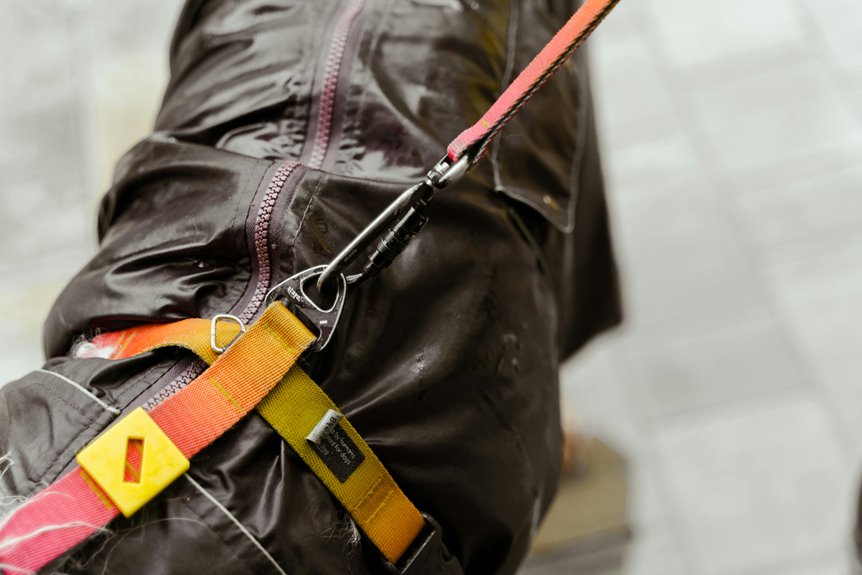
If you want waterproof gear that keeps rain out while letting sweat escape, Gore-Tex is one of the best choices. It uses a durable outer layer and a microscopic membrane to block water but allow breathability, so you stay comfortable. Gore-Tex offers reliable protection, windproofing, and durability, though it can be pricier and less breathable during intense activity. To see how it stacks up against other fabrics and what to evaluate when choosing, keep exploring your options.
Key Takeaways
- Gore-Tex offers excellent waterproofing and breathability, making it highly reliable in various weather conditions.
- It combines durable outer layers with a microporous membrane that blocks water but allows sweat vapor to escape.
- Gore-Tex is more breathable than many alternatives but may lag behind eVent during intense physical activities.
- The fabric is lightweight, windproof, and durable, suitable for rugged outdoor use but tends to be pricier.
- Proper care is essential to maintain Gore-Tex’s performance, as harsh treatment can degrade its waterproof membrane.
How Gore-Tex Works to Keep You Dry
Although it might seem like magic, Gore-Tex keeps you dry by combining a durable outer layer with a microscopic membrane that blocks water droplets while letting sweat escape.
When you wear Gore-Tex gear, the tough outer fabric repels rain and snow, preventing water from soaking in. Beneath that, the membrane contains billions of tiny pores—small enough to stop liquid water but large enough to let water vapor from your sweat pass through.
This means you stay dry inside even when the weather outside is wet. Plus, Gore-Tex’s design guarantees breathability, so you won’t feel clammy.
Comparing Gore-Tex to Other Waterproof Fabrics
When choosing waterproof gear, you’ll want to know how Gore-Tex stacks up against other fabrics like eVent, HyVent, or proprietary waterproof membranes from various brands.
Gore-Tex offers excellent waterproofing and breathability through its microporous membrane, but eVent competes closely with a direct venting technology that can provide slightly better moisture release during intense activity.
Gore-Tex excels in waterproofing and breathability, while eVent’s direct venting enhances moisture release during high-intensity use.
HyVent, developed by The North Face, uses a polyurethane coating offering solid waterproof protection, though it may not breathe as well as Gore-Tex.
Proprietary membranes vary widely—some prioritize cost-effectiveness or weight reduction, while others focus on durability.
Ultimately, your choice depends on how you balance breathability, waterproofing, weight, and budget. Gore-Tex remains a reliable option, but alternatives might suit specific needs or preferences better.
Benefits of Choosing Gore-Tex for Outdoor Gear
If you want reliable protection in unpredictable weather, choosing Gore-Tex for your outdoor gear makes sense.
Gore-Tex fabric offers exceptional waterproofing while remaining breathable, so you stay dry and comfortable without overheating. Its durable construction guarantees your gear lasts through tough conditions, from heavy rain to snow.
You’ll appreciate how lightweight Gore-Tex is, allowing you to move freely without feeling weighed down. Plus, its windproof properties shield you from chilling gusts, making it ideal for various outdoor activities.
Gore-Tex’s proven technology has been tested extensively, giving you confidence in its performance. By picking Gore-Tex, you’re investing in gear that balances protection, comfort, and durability—helping you enjoy the outdoors no matter the weather.
Potential Drawbacks of Gore-Tex Materials
Gore-Tex offers many benefits, but it’s not without its limitations. For starters, you might find Gore-Tex gear less breathable during high-intensity activities, leading to discomfort from trapped sweat.
It can also be pricier than other waterproof fabrics, which mightn’t fit everyone’s budget. Additionally, Gore-Tex requires proper care; if you don’t clean and reapply DWR treatments periodically, its water repellency can decline.
Over time, the membrane may degrade, especially if exposed to harsh chemicals or excessive abrasion. You should also know that Gore-Tex doesn’t guarantee complete protection in extreme conditions—water can seep in if seams aren’t sealed well.
Gore-Tex membranes can wear down with harsh use, and unsealed seams may let water in during extreme conditions.
Understanding these drawbacks helps you set realistic expectations before investing in Gore-Tex products.
Factors to Consider When Selecting Waterproof Fabric
Although waterproof fabrics share the goal of keeping you dry, you’ll want to contemplate several key factors before choosing the right one. Breathability, durability, weight, and price all impact your experience. For example, a fabric that’s highly waterproof but lacks breathability might leave you sweaty and uncomfortable. Durability matters if you’re tackling rough terrain, while weight is vital for backpackers. Budget also plays a role—premium fabrics often cost more but could last longer.
| Factor | Why It Matters |
|---|---|
| Breathability | Prevents overheating and sweat |
| Durability | Guarantees fabric withstands abuse |
| Weight | Affects comfort and portability |
Assess your needs carefully to pick a fabric that balances these factors for your adventures.
Frequently Asked Questions
Is Gore-Tex Environmentally Friendly?
You might find Gore-Tex isn’t the most environmentally friendly option. It uses fluorinated chemicals that can persist in the environment. However, the company is working on more sustainable materials and reducing its ecological impact over time.
How Do You Clean and Maintain Gore-Tex Gear?
You should machine wash your Gore-Tex gear with mild detergent, avoid fabric softeners, then tumble dry on low or use a warm iron to reactivate the DWR coating. Regular cleaning keeps its waterproof performance strong.
Can Gore-Tex Be Repaired if Damaged?
You might think damage means doom, but don’t worry—you can repair Gore-Tex gear! With specialized patches and seam tape, you’ll restore waterproofing and durability, keeping your gear ready for adventures without missing a beat.
What Is the History Behind Gore-Tex Technology?
You’ll find Gore-Tex technology started in 1969 when Bob Gore discovered expanded polytetrafluoroethylene (ePTFE). Since then, it’s evolved to offer waterproof, breathable fabrics widely used in outdoor gear and apparel.
Are There Any Common Misconceptions About Gore-Tex?
You might not know, but Gore-Tex can repel water yet still breathe. Many think it’s completely waterproof, but it actually balances water resistance and breathability, keeping you dry without trapping sweat inside your gear.