
You can safely wear Gore-Tex against your skin since its breathable, waterproof membrane keeps you dry and comfortable without causing harm. It’s made from expanded polytetrafluoroethylene, allowing sweat to escape while blocking water. Though reactions are rare, some irritation might occur from friction or trapped moisture, often due to inner linings rather than Gore-Tex itself. To stay comfortable, pair it with moisture-wicking layers. Keep exploring to understand its benefits and how to layer it right.
Key Takeaways
- Gore-Tex is generally safe and hypoallergenic for direct skin contact due to its non-toxic ePTFE membrane.
- Some individuals may experience mild irritation from friction or trapped moisture when wearing Gore-Tex directly on skin.
- Inner linings or bonded fabrics, rather than Gore-Tex itself, are more likely to cause skin reactions.
- Wearing moisture-wicking base layers helps prevent irritation by reducing sweat buildup under Gore-Tex garments.
- Monitoring skin response and testing new Gore-Tex items can ensure comfort and avoid potential allergic reactions.
What Is Gore-Tex Made Of?
Although you might know Gore-Tex as a popular waterproof fabric, its unique properties come from a special membrane made of expanded polytetrafluoroethylene (ePTFE).
This membrane is incredibly thin yet durable, consisting of billions of microscopic pores. The ePTFE is then bonded to other fabric layers, like nylon or polyester, to create a composite material.
An ultra-thin, durable ePTFE membrane with microscopic pores bonds to fabrics, forming a strong composite material.
You’ll find that the outer layer typically resists abrasion, while the inner one wicks moisture away from your skin.
Gore-Tex doesn’t contain harmful substances like heavy metals or toxic chemicals in its final product, making it generally safe to wear.
The materials are carefully engineered to be stable and inert, so you don’t have to worry about skin irritation from the fabric itself.
How Does Gore-Tex Work?
Gore-Tex works by combining waterproof protection with breathability, keeping you dry from both rain and sweat.
When you wear Gore-Tex, its membrane acts as a barrier made of tiny pores that are too small for water droplets but large enough to let water vapor escape. This means rain and external moisture can’t penetrate, but sweat vapor can evaporate.
As you move and generate heat, the breathable membrane guarantees moisture doesn’t build up inside your clothing, preventing clamminess. The membrane is usually laminated between layers of fabric to protect it and enhance durability.
Common Uses of Gore-Tex in Outdoor Gear
Understanding how this waterproof, breathable membrane works helps explain why it’s a favorite choice in outdoor gear.
You’ll find Gore-Tex in jackets, pants, gloves, and footwear designed to keep you dry and comfortable in wet conditions. When you’re hiking, skiing, or camping, Gore-Tex gear blocks rain and snow while letting sweat escape, preventing that clammy feeling.
It’s also common in hats and shells, providing lightweight protection without trapping heat. If you’re tackling rugged terrain, Gore-Tex boots offer durability and waterproofing to keep your feet dry.
Because it balances protection and breathability so well, Gore-Tex is trusted by outdoor enthusiasts who need reliable gear that performs in all kinds of weather without sacrificing comfort.
Potential Skin Reactions to Gore-Tex
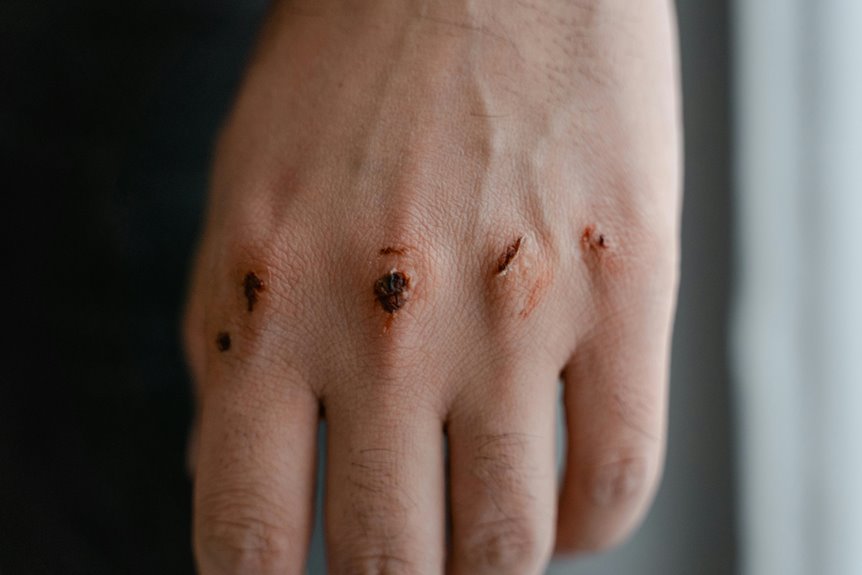
When you wear Gore-Tex gear for extended periods, your skin might sometimes react, especially if you’re sensitive to certain materials. Some users report itching, redness, or mild irritation caused by friction or trapped moisture. Gore-Tex itself is generally hypoallergenic, but the inner lining or fabric treatments might cause reactions for a few people.
Here’s a quick look at potential skin reactions and causes:
| Reaction | Possible Cause | Tips to Manage |
|---|---|---|
| Itching | Fabric friction | Wear moisture-wicking layers |
| Redness | Allergic reaction | Test fabric before use |
| Rash | Trapped sweat | Change damp clothing promptly |
| Dry skin | Breathability issues | Use moisturizing lotion |
| Blisters | Excessive rubbing | Adjust fit, use padding |
Always monitor your skin’s response and adjust your gear accordingly.
Benefits of Wearing Gore-Tex as an Outer Layer
When you wear Gore-Tex as an outer layer, you stay dry thanks to its excellent breathability and moisture control.
It blocks wind and harsh weather, keeping you comfortable no matter the conditions.
You’ll appreciate how it balances protection with airflow during your outdoor activities.
Breathability and Moisture Control
Gore-Tex excels at keeping you dry by allowing sweat and moisture to escape while blocking rain and snow from getting in.
When you’re active, your body produces sweat, and if that moisture stays trapped, it can make you feel clammy and uncomfortable. Gore-Tex’s breathable membrane lets that moisture vapor pass through, keeping your skin dry and helping regulate your body temperature.
This moisture control prevents overheating and reduces the risk of chafing or skin irritation. You’ll notice that even during intense activities, Gore-Tex helps maintain a comfortable environment next to your skin by efficiently managing sweat.
Wind and Weather Protection
Although harsh weather conditions can quickly ruin your outdoor experience, wearing Gore-Tex as an outer layer keeps you protected from wind, rain, and snow.
You’ll appreciate how its waterproof and windproof membrane blocks cold gusts and moisture without weighing you down. This protection helps maintain your body heat, so you stay warm and dry even during sudden weather changes.
Plus, Gore-Tex’s durable fabric withstands wear and tear, ensuring reliable defense on every adventure.
When you face unpredictable conditions, having Gore-Tex means you won’t have to cut your plans short. It acts as a barrier that keeps the elements out while allowing sweat to escape, so you remain comfortable throughout your activity.
Choosing Gore-Tex means you’re ready for whatever nature throws your way.
Tips for Layering Gore-Tex With Other Fabrics
Because Gore-Tex excels at blocking wind and rain while allowing moisture to escape, you’ll want to pair it with fabrics that manage temperature and comfort effectively.
Start with a moisture-wicking base layer like merino wool or synthetic fibers to keep sweat away from your skin. Add an insulating mid-layer, such as fleece or down, for warmth without bulk.
Avoid cotton, as it traps moisture and reduces Gore-Tex’s breathability. When layering, make certain each piece fits comfortably without restricting movement or airflow.
Remember, Gore-Tex works best when it can vent moisture from your body, so avoid overly tight layers that block ventilation.
Frequently Asked Questions
Can Gore-Tex Be Recycled or Is It Environmentally Friendly?
You can recycle some Gore-Tex products, but it’s limited. While Gore-Tex aims to reduce environmental impact, it’s not fully eco-friendly yet. Choosing durable gear helps you minimize waste and support sustainability efforts.
How Does Gore-Tex Compare to Other Waterproof Fabrics?
Wondering how Gore-Tex stacks up against other waterproof fabrics? You’ll find it’s highly breathable and durable, keeping you dry without overheating. While some alternatives are cheaper, Gore-Tex offers superior long-term performance and comfort.
What Is the Lifespan of Gore-Tex Clothing?
You can expect Gore-Tex clothing to last several years with proper care. Its durable membrane withstands wear, but factors like usage, washing, and exposure affect lifespan. Treat it well, and it won’t let you down.
Can Gore-Tex Be Safely Washed in a Home Washing Machine?
Simply select a gentle cycle and slip your Gore-Tex garment into the washing machine with mild detergent. Avoid fabric softeners and bleach—they’ll break down the barrier. You’ll keep it clean and functional, no fuss!
Is Gore-Tex Suitable for All Weather Conditions?
Gore-Tex is suitable for most weather conditions since it’s waterproof and breathable. You’ll stay dry in rain and snow, but in extreme heat or heavy downpours, you might need extra ventilation or layers to stay comfortable.