
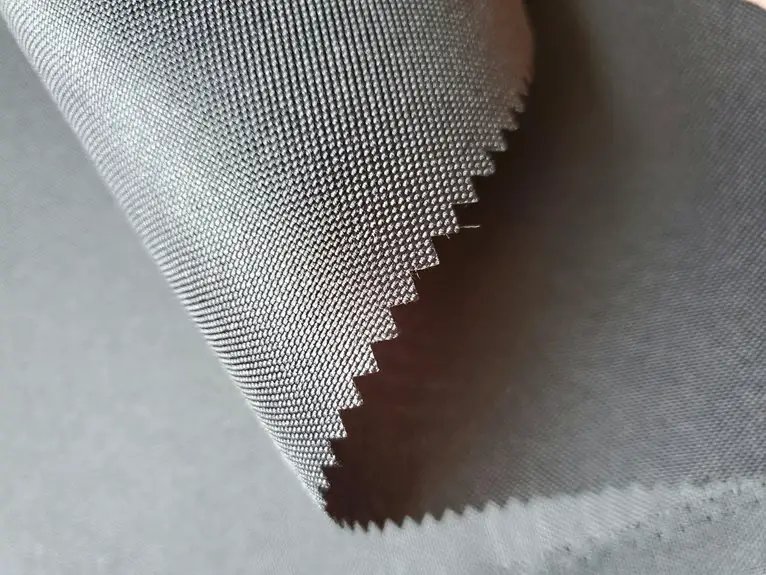
You might wonder if Gore-Tex counts as a composite material. While it combines multiple layers—including a microporous ePTFE membrane bonded to protective fabrics—Gore-Tex focuses on waterproofing and breathability rather than the mechanical strength typical of traditional composites. It’s lightweight, flexible, and designed to manage moisture effectively. You’ll find Gore-Tex differs in purpose and structure but still offers durable outdoor protection. Keep exploring to uncover how its unique design compares to other composites.
Key Takeaways
- Gore-Tex is a composite material consisting of an expanded polytetrafluoroethylene (ePTFE) membrane bonded between fabric layers.
- Its structure combines a breathable microporous membrane with durable outer fabrics and inner linings for waterproofing and comfort.
- Unlike traditional composites focused on mechanical strength, Gore-Tex emphasizes waterproofing, flexibility, and breathability.
- The membrane’s microscopic pores block liquid water but allow water vapor to escape, essential for moisture management.
- Gore-Tex’s layered construction with adhesives and coatings classifies it as a specialized textile composite material.
Understanding the Structure of Gore-Tex
Although many people recognize Gore-Tex for its waterproof qualities, understanding its unique structure reveals why it performs so well.
You’ll find that Gore-Tex consists of a thin membrane made from expanded polytetrafluoroethylene (ePTFE). This membrane contains billions of microscopic pores—small enough to block water droplets but large enough to allow water vapor to pass through.
When you wear Gore-Tex, this structure keeps rain and snow out while letting sweat escape, keeping you dry and comfortable.
The membrane is typically bonded between layers of fabric, giving it durability without sacrificing breathability.
The Definition of Composite Materials
Now that you understand how Gore-Tex’s structure works, it helps to clarify what makes a material composite. A composite material combines two or more distinct substances to create a new material with enhanced properties. You’ll find composites in everyday items because they balance strength, flexibility, and weight.
Here’s a quick look:
| Component Type | Purpose | Example |
|---|---|---|
| Matrix | Holds materials | Resin, polymer |
| Reinforcement | Adds strength | Fibers, particles |
| Interface | Bonds components | Surface treatment |
Key Components of Gore-Tex Fabric
Understanding the key components of Gore-Tex fabric helps you see why it performs so well in harsh weather.
This fabric relies on a combination of materials and layers that work together seamlessly. When you examine Gore-Tex, you’ll notice several essential elements:
- Expanded polytetrafluoroethylene (ePTFE) membrane, which forms the core breathable layer
- Durable outer fabric that protects against abrasions and environmental wear
- Inner lining that adds comfort and moisture management
- Laminated adhesives that bond layers without compromising flexibility
- DWR (Durable Water Repellent) coating applied on the outer fabric to shed water
Each part plays a specific role, contributing to the fabric’s durability, flexibility, and comfort.
Knowing these components sets the stage for understanding Gore-Tex’s unique properties.
How Gore-Tex Achieves Waterproofing and Breathability
When you wear Gore-Tex, its waterproofing and breathability come from a clever balance of materials and design.
The key lies in its microporous membrane, packed with billions of tiny pores. These pores are small enough to block liquid water from getting in but large enough to let water vapor escape. This means rain stays out, but sweat can evaporate, keeping you dry and comfortable.
The membrane is bonded between fabric layers, adding durability without sacrificing performance. You benefit from this smart structure because it prevents moisture buildup inside your clothing while shielding you from harsh weather.
This dual function is what makes Gore-Tex a trusted choice for outdoor gear, combining protection and comfort in one innovative fabric system.
Comparing Gore-Tex to Traditional Composite Materials
The unique structure of Gore-Tex sets it apart, but how does it compare to traditional composite materials you might be familiar with?
Unlike composites typically made by combining fibers and resins for strength and rigidity, Gore-Tex focuses on flexibility and breathability.
You’ll notice key differences:
- Traditional composites emphasize mechanical strength and durability
- Gore-Tex prioritizes waterproofing while allowing moisture vapor to escape
- Composites often have layered fiber reinforcements; Gore-Tex uses a microporous membrane
- Weight and stiffness are critical in composites; Gore-Tex aims for lightweight comfort
- Manufacturing processes differ greatly, with composites involving curing and lamination, Gore-Tex relying on membrane integration
The Role of Membranes and Layers in Gore-Tex
Because Gore-Tex relies heavily on its membrane and layered construction, these components play a crucial role in its performance.
You’ll find that the thin, microporous membrane acts as a barrier, letting moisture vapor escape while blocking water droplets from getting in. This clever design keeps you dry without sacrificing breathability.
Layers surrounding the membrane add durability and comfort, often combining fabrics like nylon or polyester with specialized coatings. When you wear Gore-Tex, these layers work together to protect you from harsh weather while allowing sweat to evaporate.
Understanding how these membranes and layers interact helps you appreciate why Gore-Tex remains a top choice for outdoor gear, balancing waterproofing and ventilation in a way few materials can match.
Examples of Composite Materials in Outdoor Gear
You’ll find composite materials all over outdoor gear, especially in layered structures that boost performance.
These layers combine different materials to offer strength, flexibility, and weather resistance.
Let’s look at some common examples where composites make a real difference.
Layered Material Structures
Many outdoor gear items rely on layered material structures to boost performance and durability.
When you wear something like Gore-Tex, you’re benefiting from multiple layers working together, each designed for a specific function. These layers combine to create a composite system that keeps you dry, comfortable, and protected.
Here are some typical layers you might find:
- Outer shell fabric for abrasion resistance and weather protection
- Waterproof breathable membranes like Gore-Tex
- Inner linings for moisture management
- Insulating layers for warmth
- Reinforcement layers to improve durability
Common Composite Applications
When you explore outdoor gear, you’ll notice that composite materials play an essential role in enhancing performance and durability.
For example, carbon fiber composites are common in trekking poles and bicycle frames because they’re lightweight yet incredibly strong. Fiberglass composites often appear in tent poles, offering flexibility and resilience against wind.
You’ll also find composites in helmets, where layers of different materials absorb impact effectively. Even in footwear, composite midsoles combine materials to provide cushioning without adding bulk.
These examples show how composites blend the best properties of individual materials to meet specific outdoor demands. By using composites, manufacturers create gear that’s tougher, lighter, and more reliable, helping you perform better and stay safe in challenging environments.
Advantages of Using Gore-Tex in Apparel
When you choose Gore-Tex apparel, you get the perfect balance of waterproof protection and breathability to keep you dry and comfortable.
You’ll also appreciate its durability, which stands up to tough outdoor conditions without sacrificing comfort.
Let’s explore how these benefits make Gore-Tex a top choice for your gear.
Waterproof and Breathable Benefits
Although you mightn’t always notice it, Gore-Tex offers a unique combination of waterproofing and breathability that keeps you comfortable in a wide range of weather conditions.
This balance means you stay dry from rain while sweat escapes, preventing that clammy feeling.
When you wear Gore-Tex, you benefit from:
- Effective water resistance that blocks external moisture
- Breathable membranes allowing sweat vapor to escape
- Reduced overheating during intense activities
- Enhanced comfort without sacrificing protection
- Versatility suitable for both casual and extreme outdoor use
Durability and Comfort Features
Because you rely on your gear in challenging conditions, Gore-Tex combines durability with comfort to meet those demands. The material’s robust membrane resists wear and tear, so your jacket or boots hold up even after extensive use. You won’t have to worry about it falling apart or losing functionality when you need it most.
At the same time, Gore-Tex maintains breathability, preventing overheating and moisture buildup inside your clothing. This balance guarantees you stay comfortable during intense activities or long days outdoors.
Plus, the lightweight construction won’t weigh you down, allowing for freedom of movement. When you choose Gore-Tex, you get gear that stands up to the elements while keeping you comfortable, no matter where your adventures take you.
The Future of Gore-Tex and Composite Technologies
As you explore new applications, Gore-Tex will increasingly integrate with advanced composite technologies to enhance durability, flexibility, and environmental resistance.
You can expect innovations that combine Gore-Tex’s waterproof breathability with lightweight, high-strength materials, creating products that perform better in extreme conditions.
You’ll see improvements such as:
- Enhanced multi-layer composites for superior moisture management
- Integration with sustainable fibers reducing environmental impact
- Nanotechnology to boost fabric strength without sacrificing comfort
- Smart textiles embedding sensors for real-time performance feedback
- Hybrid composites enabling greater stretch and shape retention
Frequently Asked Questions
Can Gore-Tex Be Recycled or Repurposed?
You can recycle Gore-Tex, but it’s tricky since it’s made from multiple layers. Some programs accept it for repurposing, so check locally. Recycling options are limited, but repurposing into products like insulation is possible.
Is Gore-Tex Safe for Sensitive Skin?
Wondering if Gore-Tex is safe for your sensitive skin? You’ll be relieved to know it’s designed to be breathable and gentle, reducing irritation. Still, test it first because everyone’s skin reacts differently.
How Should Gore-Tex Garments Be Cleaned and Maintained?
You should machine wash Gore-Tex garments in warm water with a mild detergent, avoiding fabric softeners. Then tumble dry on low to reactivate the durable water repellent (DWR) coating and maintain breathability and waterproofness.
Does Gore-Tex Provide UV Protection?
Think of Gore-Tex as your shield against more than just rain—it does offer UV protection, blocking harmful rays to keep you safe outdoors. You won’t have to worry about sun damage while wearing it.
What Is the Environmental Impact of Producing Gore-Tex?
You’ll find Gore-Tex production uses fluorinated chemicals, which can harm the environment. Though manufacturers improve processes, some emissions persist. Choosing recycled or eco-friendly alternatives can help reduce your environmental footprint when buying Gore-Tex gear.