
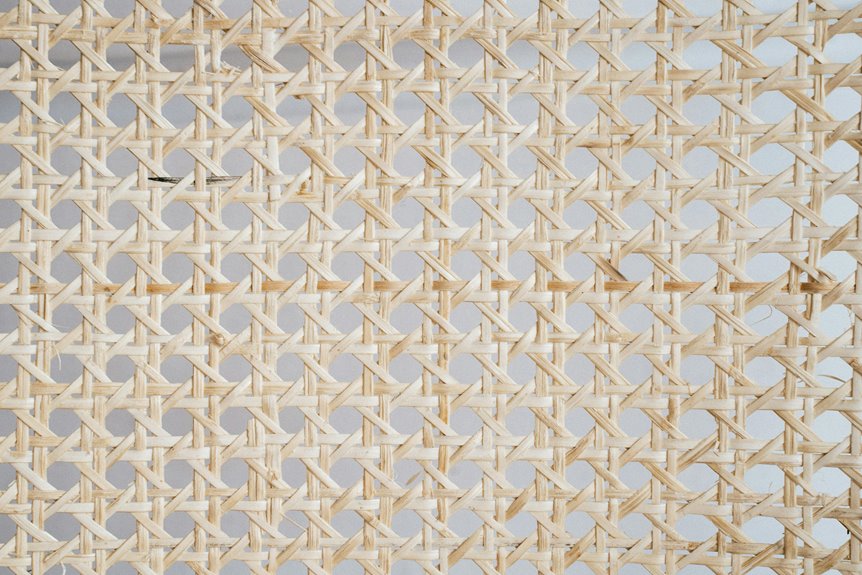
Yes, geotextile fabric is permeable, meaning it lets water pass through while stabilizing soil. You’ll find two main types: woven, which offers strength and separation, and nonwoven, known for filtration and drainage due to better permeability. The fabric’s pore size and installation impact how well water flows through it. Choosing the right permeability matters for your project’s success, and understanding these details will help you make the best choice for your needs.
Key Takeaways
- Geotextile fabric is generally permeable, allowing water to pass through while preventing soil particle migration.
- Nonwoven geotextiles offer high permeability, ideal for drainage and filtration applications.
- Woven geotextiles have lower permeability but provide strong reinforcement and separation functions.
- Permeability depends on fabric type, pore size, fiber arrangement, and installation conditions.
- Proper permeability selection ensures effective drainage and soil stability in construction projects.
Definition and Purpose of Geotextile Fabric
Geotextile fabric is a permeable material designed to improve soil stability and drainage in construction and landscaping projects. When you use it, you’re helping to separate, filter, reinforce, protect, or drain soil layers effectively.
This fabric allows water to pass through while preventing soil particles from moving, which means it keeps your soil intact without causing waterlogging. You’ll often find it under roads, in retaining walls, or around drainage systems where soil erosion or instability might be an issue.
Types of Geotextile Fabrics and Their Characteristics
You’ll find geotextile fabrics come in two main types: woven and nonwoven, each with unique permeability traits.
The material properties directly affect how water flows through, so understanding these differences is key.
Let’s explore how these fabrics perform and what makes them suitable for various uses.
Woven Vs Nonwoven
Although both woven and nonwoven fabrics serve similar purposes in construction and landscaping, they differ markedly in structure and performance.
When you choose woven geotextiles, you get a fabric made by interlacing threads in a tight, grid-like pattern. This gives you high tensile strength and durability, ideal for reinforcement and separation tasks.
On the other hand, nonwoven fabrics consist of randomly oriented fibers bonded together, usually by heat or chemicals. These offer excellent permeability and filtration, so you can rely on them where drainage and soil retention matter most.
Knowing these differences helps you pick the right fabric based on your project’s needs—woven for load-bearing and stability, nonwoven for allowing water flow and filtering soil particles effectively.
Material Properties Impact
Because different projects demand specific performance traits, understanding the material properties of geotextile fabrics is essential.
You’ll find woven fabrics offer high tensile strength and low elongation, making them ideal for reinforcement and stabilization. On the other hand, nonwoven fabrics provide excellent permeability and filtration due to their random fiber arrangement, perfect for drainage and soil separation.
The choice between polypropylene, polyester, or other polymers also affects durability, chemical resistance, and UV stability. When you select a geotextile, consider its permeability rate, strength, and resistance to environmental factors to guarantee it fits your project’s needs.
Permeability Explained: How Water Passes Through Geotextile Fabric
You’ll notice that water moves through geotextile fabric mainly by flowing through the tiny pores in the material.
The size and distribution of these pores directly affect how easily water can pass.
Understanding these flow mechanisms helps you choose the right fabric for your project.
Water Flow Mechanisms
When water encounters geotextile fabric, it moves through tiny pores woven into the material’s structure. This flow happens primarily by two mechanisms: laminar flow, where water travels smoothly between fibers, and turbulent flow, which occurs when water speed increases and swirls through irregular pathways. The fabric’s permeability depends on pore size, fiber arrangement, and water pressure. You’ll notice different fabrics offer varied flow rates based on these factors.
| Mechanism | Description | Impact on Flow Rate |
|---|---|---|
| Laminar Flow | Smooth, parallel water movement | Steady, predictable |
| Turbulent Flow | Chaotic, swirling water movement | Variable, often faster |
| Pressure Flow | Water driven by external pressure | Increases flow velocity |
Understanding these helps you select the right fabric for your drainage needs.
Fabric Porosity Effects
The way water moves through geotextile fabric depends heavily on the fabric’s porosity—the size and distribution of its pores. When you choose a fabric with larger or more uniformly spaced pores, water passes through more easily, allowing efficient drainage while still filtering out soil particles.
Conversely, if the pores are too small or unevenly distributed, water flow slows, increasing the risk of clogging and reduced permeability. You need to evaluate the balance between permeability and filtration; the fabric must let water through without letting fine soil particles escape.
Understanding porosity helps you select the right geotextile for your project, ensuring it performs as intended under specific drainage and filtration conditions. This balance directly influences the fabric’s effectiveness and longevity in real-world applications.
Factors Affecting the Permeability of Geotextiles
Although geotextiles are designed to allow water to pass through, several factors influence how permeable they actually are. You’ll find that the type of material, fabric structure, and installation conditions all play key roles in permeability. For example, woven fabrics often have different flow rates compared to non-woven types. Also, if the fabric gets clogged with fine particles or compressed under heavy loads, its permeability can decrease.
| Factor | Impact on Permeability |
|---|---|
| Material Type | Affects pore size and water flow |
| Fabric Structure | Woven vs. non-woven changes porosity |
| Installation | Compression or clogging reduces flow |
Understanding these factors helps you choose the right geotextile for your project’s drainage needs.
Benefits of Using Permeable Geotextile Fabrics in Landscaping
Choosing the right geotextile fabric means understanding how its permeability can benefit your landscaping projects.
Permeable fabrics allow water to pass through, preventing water buildup and promoting healthy soil drainage. This helps you avoid erosion and pooling, which can damage plants and structures. You’ll also reduce soil compaction since water flows freely, encouraging root growth and maintaining soil health.
Using permeable fabrics supports sustainable landscaping by managing stormwater runoff naturally, reducing the need for artificial drainage systems. Plus, these fabrics act as effective weed barriers without trapping moisture, so your plants stay hydrated while weeds struggle to grow.
Applications Requiring Permeable Versus Non-Permeable Geotextiles
When you decide between permeable and non-permeable geotextiles, consider the specific needs of your project. Permeable fabrics allow water to pass through, making them ideal for drainage, erosion control, and soil stabilization. Non-permeable fabrics block water, perfect for moisture barriers or containment applications.
| Application | Permeable Fabric Use | Non-Permeable Fabric Use |
|---|---|---|
| Drainage Systems | Allows water flow, prevents clogging | Blocks water, not suitable |
| Moisture Barriers | Not effective | Prevents water infiltration |
| Soil Stabilization | Maintains soil structure, water passes | Can trap water, causing issues |
Choose based on whether you need fluid flow or a barrier to optimize your geotextile’s effectiveness.
How to Test the Permeability of Geotextile Fabric
Understanding the role of permeability in geotextile fabrics helps you determine whether a material will meet your project’s needs.
Permeability in geotextiles is key to selecting the right fabric for your project’s success.
To test permeability, you’ll want to measure how easily water passes through the fabric. Here’s how you can do it:
- Set up a constant head permeability test: Place the fabric in a permeameter and allow water to flow through at a steady rate. Measure the flow rate and calculate permeability.
- Conduct a falling head test: This involves monitoring the drop in water level over time as it seeps through the fabric, helping determine flow characteristics in low-permeability materials.
- Use a simple DIY test: Pour water over a fabric sample stretched across a frame and observe how quickly it drains, giving a rough estimate of permeability.
These tests help guarantee you choose the right geotextile for your project.
Selecting the Right Geotextile Fabric for Your Project
How do you guarantee your project gets the best performance from geotextile fabric? Start by identifying your specific needs—drainage, filtration, reinforcement, or separation.
Next, consider the fabric type: woven fabrics offer strength and durability, while non-woven fabrics provide superior permeability and filtration.
Check the permeability rate to verify it matches your drainage requirements. Don’t forget to evaluate the fabric’s tensile strength and puncture resistance based on the soil and load conditions.
Also, factor in environmental exposure, like UV resistance if the fabric will be exposed to sunlight.
Selecting the right geotextile fabric means balancing permeability with strength and durability tailored to your project’s demands.
Taking these steps guarantees your installation performs effectively and lasts longer.
Common Mistakes When Using Geotextile Fabrics and How to Avoid Them
Although geotextile fabrics offer many benefits, users often make avoidable mistakes that compromise their effectiveness. To get the best results, you should steer clear of these common errors:
Avoid common mistakes with geotextile fabrics to ensure optimal performance and durability in your projects.
- Incorrect Fabric Selection: Don’t pick a fabric that’s not suited for your project’s drainage or filtration needs. Always match the fabric’s permeability to the soil and application requirements.
- Improper Installation: Avoid wrinkles, folds, or leaving gaps. Lay the fabric flat and secure it properly to maintain consistent permeability and prevent soil contamination.
- Lack of Overlap: Failing to overlap seams adequately can cause leaks and reduce performance. Use the recommended overlap size, usually 12 to 24 inches, to guarantee a continuous barrier.
Frequently Asked Questions
How Long Does Geotextile Fabric Typically Last in Outdoor Conditions?
You can expect geotextile fabric to last between 5 to 20 years outdoors, depending on exposure to sunlight, type of fabric, and installation conditions. Proper UV protection can extend its durability considerably.
Can Geotextile Fabric Be Recycled or Is It Biodegradable?
You won’t find geotextile fabric turning into a pile of compost overnight! It’s not biodegradable, but you can recycle some types. Just check local facilities because recycling options vary, so don’t toss it carelessly.
What Tools Are Needed to Install Geotextile Fabric Properly?
You’ll need gloves, a utility knife, landscape staples or pins, a measuring tape, and a hammer or mallet to install geotextile fabric properly. These tools help you secure and cut the fabric for effective soil stabilization.
Is Geotextile Fabric Safe for Use Around Plants and Soil?
You can safely use geotextile fabric around plants and soil since it’s designed to allow water and air flow while preventing soil erosion. Just make sure to choose a non-toxic, plant-friendly option for your garden.
How Does Geotextile Fabric Affect Soil Temperature and Moisture Retention?
Like a gentle blanket, geotextile fabric wraps your soil, keeping moisture locked in and temperature steady. You’ll notice it shields roots from harsh swings, helping your plants thrive by maintaining a cozy, consistent environment.