
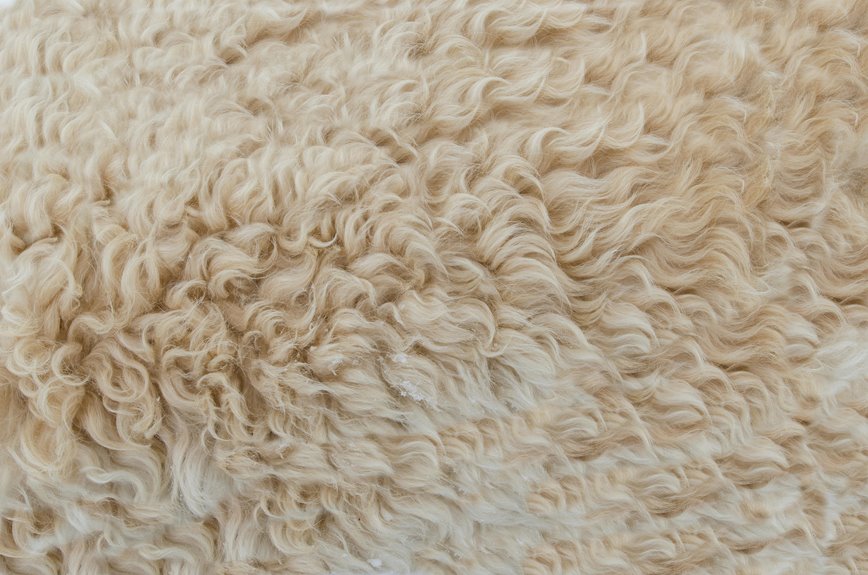
You’ll find fleece is a knit fabric made by interlooping polyester yarns, which gives it stretch, softness, and warmth you don’t get from woven or nonwoven materials. It’s crafted through knitting, then brushed to raise a cozy fleece surface that traps heat while remaining lightweight. This makes fleece perfect for outdoor gear and casual wear. Stick with this overview, and you’ll uncover why fleece stands out among other fabrics for comfort and performance.
Key Takeaways
- Fleece fabric is classified as a knit fabric made from interconnected loops of polyester yarn.
- It is not a woven fabric, which consists of yarns crossing at right angles.
- Fleece is also not a nonwoven fabric, which bonds fibers without knitting or weaving.
- The knit structure of fleece allows it to be soft, stretchy, and insulating.
- The knitting process is followed by brushing and shearing to create fleece’s characteristic texture and loft.
Understanding Fabric Types: Knit, Woven, and Nonwoven
Although you mightn’t always notice, fabrics come in three main types: knit, woven, and nonwoven.
Fabrics are mainly knit, woven, or nonwoven, each with unique textures and uses.
When you look at knit fabrics, you see loops of yarn interconnected, giving the material stretch and flexibility. You’ll find knits in t-shirts and sweatshirts because they move with you.
Woven fabrics, on the other hand, feature yarns crossing at right angles, creating a sturdy, less stretchy material. Think of denim or dress shirts when you imagine woven fabric.
Nonwoven fabrics don’t use yarns at all; instead, fibers bond together through heat, chemicals, or pressure. These are common in disposable products like wipes or medical masks.
Knowing these types helps you understand fabric behavior, so you can better choose materials for your needs.
The Origin and Composition of Fleece Fabric
You’ll find that fleece fabric originally comes from synthetic fibers like polyester, designed to mimic the softness of wool.
Its composition is key to understanding why it’s so warm and lightweight.
Let’s explore where fleece comes from and what it’s made of.
Fleece Material Origins
Since fleece has become a popular choice for warmth and comfort, understanding its origins helps you appreciate its unique qualities.
Fleece originated as a synthetic fabric designed to mimic the softness and insulating properties of natural wool. It was developed in the late 20th century, primarily from polyester fibers, to create lightweight, breathable clothing that retains heat efficiently.
When you wear fleece, you’re experiencing a fabric engineered for performance and ease of care.
Here’s what sets fleece apart at its origin:
- Created to replicate sheep’s wool warmth without the weight
- Made from petrochemical-derived fibers, mostly polyester
- Designed for quick drying, durability, and softness
Knowing this helps you see why fleece became a staple for outdoor and casual wear.
Fabric Composition Details
Fleece fabric primarily consists of polyester fibers, which come from petroleum-based products transformed through a chemical process.
When you choose fleece, you’re selecting a material made by melting and extruding these polymers into fibers. These fibers are then knitted into fabric before undergoing a brushing process that raises the surface, creating the soft, fluffy texture you recognize.
Some fleece blends include natural fibers like cotton or wool, but polyester dominates for its durability and moisture-wicking properties.
You’ll find that this synthetic composition gives fleece excellent insulation while remaining lightweight and quick-drying.
Understanding its makeup helps you appreciate why fleece is popular for outdoor clothing and blankets, combining comfort with practicality through its engineered fiber structure.
How Fleece Is Manufactured
Although it may seem simple, manufacturing fleece involves several precise steps to transform raw materials into the soft, insulating fabric you recognize.
First, polyester fibers are knitted into a fabric base, creating a stretchy and breathable structure. Then, the fabric undergoes a brushing process where specialized machines raise the fibers on one or both sides, giving fleece its characteristic fluffy texture.
Finally, the fabric is sheared to create an even surface, enhancing softness and thickness.
Here’s what happens in the process:
- Knitting polyester fibers into a base fabric
- Brushing to raise fibers and create loft
- Shearing to smooth and even out the surface
These steps work together to produce the cozy fleece you enjoy in clothing and blankets.
Characteristics That Define Fleece
Softness and warmth are the key qualities you’ll notice when you touch fleece. This fabric feels plush because of its unique brushed surface, which traps air to provide excellent insulation.
You’ll find fleece lightweight yet cozy, making it ideal for chilly weather. It stretches easily, offering comfort and flexibility without restricting your movement.
Fleece also dries quickly and resists moisture, so you stay dry during outdoor activities. Its durability stands out too; fleece holds up well to repeated wear and washing without losing shape or softness.
Additionally, fleece doesn’t fray at the edges, so you don’t need to hem it. These characteristics together define fleece as a practical, comfortable fabric that’s perfect for casual and active wear alike.
Comparing Fleece to Knit Fabrics
When you compare fleece to knit fabrics, you’ll notice distinct differences in texture and function. Both are stretchy and soft, but fleece offers extra warmth due to its brushed surface, while knits tend to be lighter and more breathable.
You’ll find fleece is thicker, making it ideal for cold weather, whereas knit fabrics excel in flexibility and moisture-wicking for activewear.
- Fleece has a fluffy, raised texture that traps heat effectively.
- Knit fabrics feature visible loops and are more lightweight and airy.
- Fleece’s structure is denser, providing insulation; knits allow better airflow.
Understanding these differences helps you pick the right fabric for your needs, whether you want cozy warmth or comfortable stretch.
Differences Between Fleece and Woven Fabrics
Unlike knit fabrics, woven fabrics are made by interlacing two sets of yarns at right angles, creating a stable and less stretchy material.
Woven fabrics interlace yarns at right angles, resulting in a stable, less stretchy material compared to knits.
When you compare fleece to woven fabrics, you’ll notice fleece is much stretchier and softer due to its knit construction. Woven fabrics don’t have the same flexibility because their yarns are tightly bound, so they resist stretching in any direction.
Also, woven fabrics tend to have a smoother surface, while fleece has a fuzzy, brushed texture that traps warmth. If you look closely, woven fabrics display a clear crisscross pattern, whereas fleece’s loops and piles create a bulkier feel.
Understanding these differences helps you choose the right fabric depending on whether you want stretch, softness, or structure in your clothing or textile projects.
Practical Uses and Benefits of Fleece
You’ll find fleece is perfect for outdoor gear because it keeps you warm without weighing you down.
It’s soft and breathable, making it comfortable for all-day wear.
Let’s explore how these benefits make fleece a popular choice.
Outdoor Gear Applications
Because fleece offers excellent insulation while remaining lightweight, it’s a top choice for outdoor gear.
When you’re out hiking, camping, or skiing, fleece keeps you warm without weighing you down. Its moisture-wicking properties help you stay dry, preventing chill from sweat. Plus, fleece dries quickly if you get caught in rain or snow.
You’ll find fleece used in:
- Jackets and pullovers that provide warmth without bulk
- Hats and gloves that protect extremities from cold
- Liners in sleeping bags and boots for added insulation
Comfort and Warmth Benefits
When you wear fleece, you feel warmth that doesn’t come with heavy bulk. Fleece traps air within its fibers, creating an insulating layer that keeps your body heat close without weighing you down. This makes it perfect for chilly days when you want to stay cozy but still move freely.
Plus, fleece dries quickly, so you won’t stay damp or cold if you get caught in a light drizzle or sweat during activity. The soft texture feels gentle against your skin, adding comfort to its warmth.
Whether you’re layering for a hike or lounging at home, fleece offers reliable insulation and breathability. You’ll appreciate how it balances warmth, comfort, and practicality in one lightweight fabric.
Frequently Asked Questions
Can Fleece Fabric Be Recycled or Is It Biodegradable?
You can recycle some fleece fabrics, especially those made from polyester, but they’re not biodegradable. You’ll want to check local recycling programs since recycling options vary, and avoid tossing fleece in compost or landfill expecting it to break down naturally.
What Are the Best Washing Instructions for Fleece Garments?
Imagine your fleece as a cozy campfire—gentle care keeps it glowing. You’ll want to wash it in cold water, avoid fabric softeners, and tumble dry low or air dry to keep its warmth and softness alive.
Is Fleece Suitable for Allergy Sufferers?
You’ll find fleece generally suitable for allergy sufferers since it’s less likely to trap allergens like dust mites. Just make sure to wash it regularly to keep it clean and reduce any potential irritants.
How Does Fleece Perform in Extreme Cold Weather Conditions?
You’ll find fleece performs well in extreme cold by trapping body heat and wicking moisture away. It keeps you warm and dry, though layering is key since fleece alone isn’t windproof or fully waterproof in harsh conditions.
Are There Eco-Friendly Alternatives to Traditional Polyester Fleece?
Looking for greener pastures? You’ll find eco-friendly fleece alternatives made from recycled plastics or natural fibers like organic cotton and bamboo. They keep you warm while caring for the planet, proving style and sustainability can coexist effortlessly.