
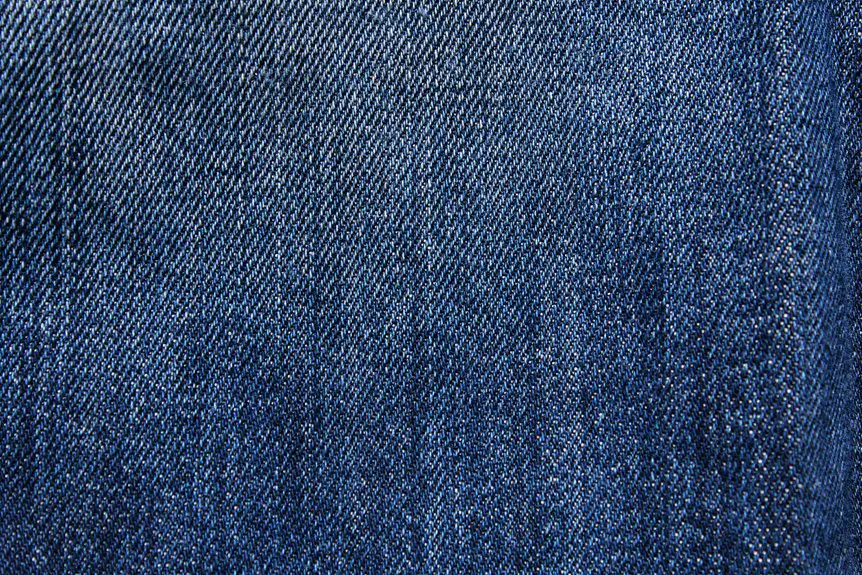
You’ll most often find cotton used in woven fabrics because its natural fibers are perfect for weaving into strong, breathable materials. Woven cotton is durable, soft, and holds up well over time with repeated washing. Nonwoven cotton, on the other hand, is made by bonding fibers and is lighter and more flexible, but less durable. If you want to understand why woven cotton dominates and where nonwoven cotton fits in, there’s more to explore.
Key Takeaways
- Cotton fibers are most commonly spun into yarn and woven into fabric for clothing, bedding, and textiles.
- Woven cotton fabric is durable, breathable, soft, and maintains shape, making it ideal for long-term use.
- Nonwoven cotton is bonded or felted, used mainly for disposable or specialty products like medical supplies and wipes.
- Woven cotton typically offers greater durability and repeated washability compared to nonwoven cotton.
- Cotton is typically woven rather than nonwoven for most everyday textile applications due to its strength and comfort.
Understanding Cotton Fibers
Cotton fibers form the foundation of many textiles you encounter daily. When you look closely, you’ll notice cotton fibers come from the cotton plant’s seed hairs. These fibers are naturally soft, breathable, and strong, making them ideal for fabric production.
You might assume all fibers are the same, but cotton’s unique structure—long, fluffy strands—gives it excellent absorbency and comfort. As you handle cotton, you’ll feel its natural twist, which helps fibers cling together during fabric creation.
Understanding these fibers’ properties helps you appreciate why cotton remains popular for clothing, bedding, and more. Knowing cotton’s characteristics also prepares you to explore how these fibers transform into different fabric types, which is essential when deciding between woven or nonwoven cotton products.
The Process of Weaving Cotton
Before weaving cotton, you’ll need to prepare the cotton yarn by spinning and aligning the fibers.
Then, you’ll use specific weaving techniques to interlace the yarns and create fabric.
Understanding these steps helps you see how woven cotton gets its strength and texture.
Cotton Yarn Preparation
Preparing yarn for weaving involves several essential steps that transform raw fibers into a workable thread.
First, you start by cleaning the cotton fibers to remove impurities and short fibers through a process called carding. This aligns the fibers and forms a loose web.
Next, you draw out this web and combine several slivers to improve uniformity and strength.
You then spin the drawn fibers into yarn by twisting them, which adds strength and durability.
Finally, you may subject the yarn to processes like sizing, which coats it to reduce friction during weaving.
Each step guarantees your cotton yarn is strong, smooth, and ready to be woven into fabric, setting the foundation for quality textile production.
Weaving Techniques Explained
Although weaving might seem complex at its core, you’ll find that it follows a straightforward process of interlacing threads to create fabric.
When weaving cotton, you work with two sets of yarns: the warp, which runs lengthwise, and the weft, which moves crosswise. You start by setting up the warp threads tightly on a loom.
Then, you pass the weft thread over and under these warp threads in a specific pattern. This interlacing forms a strong, flexible fabric.
Different weaving techniques, like plain, twill, or satin weaves, change how the threads overlap, affecting the fabric’s texture and durability.
Characteristics of Woven Cotton Fabrics
Woven cotton fabrics offer a unique combination of strength and breathability that you’ll appreciate in everyday wear.
Because the threads interlace tightly, woven cotton provides durability and resists tearing, making it ideal for clothing and home textiles. You’ll notice its smooth texture and slight stiffness, which helps garments maintain their shape.
The fabric also allows air circulation, keeping you cool and comfortable, especially in warm weather. Plus, woven cotton absorbs moisture well, so it feels soft against your skin.
Woven cotton breathes effortlessly, ensuring comfort and softness by wicking moisture away from your skin.
You’ll find that it drapes nicely and holds dye vividly, giving your clothes vibrant and lasting colors.
What Are Nonwoven Cotton Materials?
You mightn’t realize that nonwoven cotton materials aren’t made by weaving or knitting fibers together. Instead, they’re created by bonding or felting cotton fibers directly, which changes how they look and feel.
These materials are often used in products like medical supplies, filters, and disposable wipes because of their unique properties.
Definition of Nonwoven Cotton
Nonwoven cotton materials consist of fibers bonded together without the traditional weaving or knitting processes. Instead of interlacing threads, these fibers are mechanically, chemically, or thermally bonded to form a fabric. This results in a versatile material commonly used in hygiene products, filters, and medical supplies. You’ll find nonwoven cotton appreciated for its softness, breathability, and absorbency. Here’s a quick comparison to understand its characteristics:
| Feature | Nonwoven Cotton |
|---|---|
| Fiber arrangement | Randomly bonded |
| Texture | Soft, fluffy |
| Strength | Moderate |
| Uses | Medical, hygiene, filters |
| Production speed | Faster than woven fabric |
Understanding these traits helps you see why nonwoven cotton serves unique purposes beyond traditional textiles.
Manufacturing Process Overview
Although the fibers in cotton materials don’t interlace like traditional fabrics, they still undergo a carefully controlled process to create a strong, functional sheet.
First, cotton fibers are cleaned and separated into loose strands called web. You’ll then see these webs bonded together through mechanical, chemical, or thermal methods.
Mechanical bonding involves entangling the fibers using needles or water jets, while chemical bonding uses adhesives to hold fibers in place. Thermal bonding melts fibers partially, fusing them as they cool.
This process produces a nonwoven fabric that maintains cotton’s natural softness and breathability but offers different structural qualities compared to woven cotton.
Common Applications of Nonwoven Cotton
Cotton materials that aren’t woven find their way into a variety of everyday products designed for comfort, hygiene, and convenience.
When you use nonwoven cotton, you benefit from its softness, absorbency, and breathability. These materials are especially useful when you need disposable or single-use items that still feel gentle on the skin.
You’ll often encounter nonwoven cotton in medical, personal care, and household products.
Here are some common applications you might recognize:
- Medical dressings and surgical masks that offer protection while being lightweight
- Baby wipes and facial cleansing pads for effective yet gentle cleaning
- Disposable filters and insulation materials that combine functionality with affordability
Understanding these uses helps you appreciate why nonwoven cotton plays an essential role in daily life beyond traditional fabrics.
How Nonwoven Cotton Is Manufactured
When you look closely at how nonwoven cotton is made, you’ll see it involves bonding fibers together without weaving or knitting.
First, cotton fibers are cleaned and separated to create a loose web. Then, these fibers are laid out evenly on a conveyor belt.
Cotton fibers are cleaned, separated, and evenly spread to form a loose web ready for bonding.
To give the web strength, manufacturers use methods like mechanical entanglement, where fibers are tangled using water jets or needles. Alternatively, they might apply heat or adhesives to bond the fibers chemically.
This process produces a fabric that’s uniform and strong without the traditional interlacing of yarns. By controlling fiber orientation and bonding techniques, you can tailor nonwoven cotton’s texture and durability to suit specific needs.
This efficient method lets you create versatile cotton materials quickly and cost-effectively.
Common Uses for Woven Cotton
Woven cotton’s strength and breathability make it a favorite for many everyday items. When you choose woven cotton, you get durability combined with comfort, making it ideal for clothing and home textiles.
You’ll find woven cotton in everything from casual wear to more formal attire because it holds up well to repeated washing and wear. Plus, its natural fibers allow your skin to breathe, keeping you comfortable all day.
Here are some common uses for woven cotton:
- Shirts, dresses, and jeans that require sturdy yet soft fabric
- Bed linens and pillowcases that offer both comfort and durability
- Curtains and upholstery fabrics that benefit from woven cotton’s strength and texture
These uses highlight why woven cotton remains a popular choice for so many products.
Applications of Nonwoven Cotton
Although nonwoven cotton mightn’t have the same structure as woven fabric, it offers unique benefits that make it suitable for a variety of applications.
When you need disposable products like medical masks, wipes, or hygiene items, nonwoven cotton excels because it’s lightweight, breathable, and absorbent. You’ll also find it in filtration systems where its fibrous texture helps trap particles efficiently.
If you’re working in agriculture, nonwoven cotton can protect plants by providing breathable covers that shield against pests and weather.
Additionally, it’s popular in home insulation and upholstery, adding softness without bulk.
Comparing Durability and Comfort Between Woven and Nonwoven Cotton
Since you rely on cotton for both comfort and durability, it’s important to understand how woven and nonwoven cotton compare in these areas.
Woven cotton is crafted by interlacing threads, which gives it strength and longevity, making it ideal for clothing and bedding. Nonwoven cotton, bonded together without weaving, offers softness and breathability but tends to be less durable.
Here’s a quick comparison:
- Durability: Woven cotton withstands repeated use and washing better than nonwoven.
- Comfort: Nonwoven cotton often feels softer and more flexible initially.
- Use cases: Woven cotton suits long-term wear, while nonwoven is great for disposable or short-term products.
Choosing between them depends on whether you prioritize lasting wear or immediate comfort.
Frequently Asked Questions
How Does Cotton Cultivation Impact the Environment?
You might not know cotton uses about 20% of global insecticides, impacting soil and water. When you choose sustainable cotton, you help reduce pollution, conserve water, and protect ecosystems from harmful chemicals used in conventional farming.
What Are the Best Methods for Dyeing Cotton Fabrics?
You should use reactive dyeing for vibrant colors and durability on cotton. Also, vat dyeing offers excellent fastness. Pre-treat the fabric for uniform absorption, and always rinse thoroughly to avoid color fading or bleeding.
Can Cotton Fabrics Be Recycled Effectively?
You can recycle cotton fabrics effectively, but it takes effort. Mechanical recycling breaks fibers down, though quality may drop. Chemical recycling preserves fiber strength better. Either way, recycling reduces waste and supports sustainability.
How Do Organic and Conventional Cotton Differ?
Imagine a medieval scribe choosing inks—organic cotton avoids synthetic chemicals, using natural methods, while conventional cotton relies on pesticides and fertilizers. You’ll find organic cotton gentler on the environment and your skin, though often pricier.
What Are Common Allergens Related to Cotton Textiles?
You might react to cotton textiles due to residual pesticides, dust mites, or chemical finishes used during processing. Some people also experience sensitivity to natural cotton fibers or mold if the fabric isn’t stored properly.