
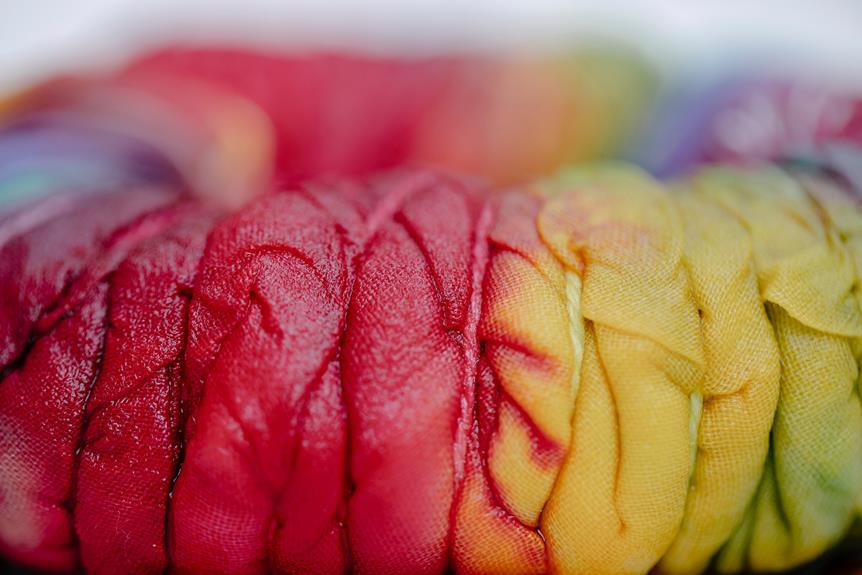
Is Cotton Blend Fabric Worth It
When it comes to choosing the right fabric for your clothing and home textiles, the decision can be as weighty as the fabric itself. Cotton blend fabric, like a versatile tapestry, weaves together the best of both worlds. Its durability and comfort make it a worthy contender for your consideration.
In this guide, we'll explore the factors that make cotton blend fabric a valuable choice. From its breathability and easy maintenance to its cost-effectiveness and sustainability, you'll gain a mastery of the benefits and considerations.
Whether you're seeking the perfect fabric for your wardrobe or home decor, understanding the worth of cotton blend fabric will empower you to make informed decisions.
Key Takeaways
- Cotton blend fabric offers a balance of strength and flexibility, making it durable and versatile.
- It is known for its comfort and breathability, allowing air to flow through and providing a soft and cozy feel.
- Cotton blend fabric requires minimal maintenance and is resistant to wrinkles and creases, saving time and effort in caring for the fabric.
- It is a cost-effective option that provides long-term value, as it is durable, versatile, and more affordable compared to some natural fibers.
Durability of Cotton Blend Fabric
When considering the durability of cotton blend fabric, you'll find that it offers a balance of strength and flexibility. The fabric longevity and resistance to wear and tear make it a favorable choice for a range of garments and household items.
Cotton blend fabric is known for its ability to withstand repeated use and laundering without losing its shape or integrity. This makes it an excellent option for everyday clothing, upholstery, and linens.
In terms of color retention, cotton blend fabric generally fares well. The combination of cotton with synthetic fibers helps to minimize fading concerns, especially when compared to pure cotton fabrics. While some fading may naturally occur over time with repeated washing and exposure to sunlight, the color retention of cotton blend fabric is often superior to that of pure cotton.
This makes it a reliable choice for items that will be used frequently and require long-term aesthetic appeal.
Comfort and Breathability
When it comes to comfort and breathability, cotton blend fabric offers a winning combination.
The fabric is known for being breathable, allowing air to flow through and keeping you cool and comfortable.
Additionally, its soft and cozy feel makes it a popular choice for everyday wear.
Cotton Blend Benefits
You'll find that a cotton blend fabric offers a balanced combination of comfort and breathability. The fabric's flexibility allows for ease of movement and a comfortable fit, making it ideal for everyday wear.
Additionally, the moisture-wicking properties of cotton blend fabrics help keep you dry and comfortable by drawing sweat away from your skin. This feature makes cotton blends a great choice for active individuals or those living in warmer climates.
Moreover, cotton blend fabrics are known for their wrinkle resistance, meaning your clothes will maintain a crisp, neat appearance throughout the day. Furthermore, these fabrics often retain their color well, ensuring that your garments look vibrant and new for an extended period.
With these benefits, it's clear that cotton blend fabrics offer a winning combination of comfort and practicality.
Breathable and Cozy
For a garment to provide comfort and breathability, it must allow air to circulate and wick moisture away from your skin, ensuring a cozy and dry wearing experience. When considering fabric performance and material comparison for breathability and comfort, cotton blend fabric stands out for its exceptional qualities.
Here's why it's worth it:
- Moisture-wicking: Cotton blend fabric efficiently wicks away moisture, keeping you dry and comfortable.
- Air circulation: The breathable nature of cotton blend fabric allows for excellent air circulation, preventing overheating.
- Softness: The blend of cotton with other fibers results in a soft and cozy feel against your skin.
- Versatility: Cotton blend fabric is suitable for a wide range of climates, providing comfort in various conditions.
- Durability: It maintains its breathable and cozy properties even after multiple washes, ensuring long-term comfort and wearability.
Versatility in Clothing and Home Use
Considering its durability and easy care, cotton blend fabric proves to be a versatile choice for both clothing and home use.
In the realm of fashion, cotton blend fabric has become a staple due to its ability to adapt to various fashion trends. The fabric's flexibility allows it to be used in a wide range of clothing styles, from casual wear to formal attire, making it a reliable option for any wardrobe. Additionally, its blend with other materials such as polyester or spandex enhances its versatility, offering improved stretch and shape retention, which are crucial for garments that need to maintain their form and comfort over time.
When it comes to interior design, the versatility of cotton blend fabric shines through as well. This fabric can be utilized for a multitude of home decor items such as curtains, upholstery, and throw pillows. Its durability and resistance to wrinkling make it an ideal choice for these purposes, ensuring that your home maintains a polished and inviting look. Furthermore, the wide variety of colors and patterns available in cotton blend fabric allows for seamless integration into any interior design scheme, making it a popular choice for those seeking both style and practicality in their home textiles.
Maintenance and Care Tips
Taking good care of your cotton blend fabric is essential to maintain its quality and longevity. From washing and drying instructions to ironing and steaming techniques, there are specific steps you can take to ensure your cotton blend fabric stays in great condition.
Washing and Drying Instructions
When washing and drying cotton blend fabric, you should always follow the care instructions on the garment's label to maintain its quality and longevity. Here are some tips to help you properly care for your cotton blend fabric:
- Use a Gentle Cycle: When washing your cotton blend fabric, opt for the gentle cycle on your washing machine to prevent excessive wear and tear.
- Wash with Similar Colors: To avoid color bleeding and potential damage to your fabric, wash your cotton blend garments with similar colors.
- Avoid High Heat: When drying your cotton blend fabric, use low heat settings to prevent shrinkage and damage to the fabric fibers.
- Remove Promptly: Once the drying cycle is complete, promptly remove your cotton blend fabric from the dryer to prevent wrinkles and additional wear.
- Air Dry When Possible: For the best care, consider air drying your cotton blend fabric to maintain its shape and quality.
Following these washing and drying instructions will help preserve the integrity of your cotton blend fabric.
Ironing and Steaming Techniques
To maintain the crisp appearance of your cotton blend fabric, lightly iron or steam the garment inside out using a low to medium heat setting. For fabric care and wrinkle removal, start by testing a small, inconspicuous area of the garment with the iron or steamer to ensure it can withstand the heat.
If it's safe to proceed, gently press the fabric, moving the iron or steamer in a smooth motion. Avoid leaving the iron in one spot for too long to prevent scorching or damaging the fabric. Pay extra attention to the collar, cuffs, and hems.
When using a steamer, hold it a few inches away from the fabric and use a sweeping motion to release wrinkles. These fabric steaming and ironing techniques will help you maintain the polished look of your cotton blend garments.
Cost-Effectiveness and Value
You'll find that cotton blend fabric offers a cost-effective and valuable choice for a variety of clothing and home textile needs. When considering the cost-effectiveness and value of cotton blend fabric, keep in mind the following points:
- Durability: Cotton blend fabrics are known for their durability, making them a long-lasting option for clothing and home textiles.
- Easy Care: These fabrics often require minimal maintenance, saving you time and money on special cleaning or care instructions.
- Versatility: Cotton blends can be used for a wide range of products, from casual t-shirts to elegant draperies, providing excellent value for various needs.
- Comfort: The blend of cotton with other fibers often results in a comfortable and breathable fabric, enhancing its value for everyday use.
- Affordability: Compared to some natural fibers, cotton blend fabrics are often more affordable, offering a cost-effective option without compromising on quality.
Environmental Impact and Sustainability
Considering the environmental impact and sustainability of using cotton blend fabric is essential for making informed choices.
Cotton blend fabric, while versatile and affordable, also has notable environmental implications. The production of conventional cotton involves significant water consumption, pesticide use, and land degradation, contributing to a substantial environmental footprint. However, advancements in sustainable practices and eco-friendly alternatives are emerging within the textile industry. Manufacturers are increasingly integrating organic cotton, recycled materials, and sustainable fibers into their blends, reducing the material impact on the environment.
Incorporating eco-friendly alternatives and sustainable practices into the production of cotton blend fabric can significantly mitigate its environmental impact. By utilizing organic cotton, recycled polyester, and other sustainable fibers, the industry is moving towards reducing its carbon footprint and water usage. Additionally, implementing ethical and environmentally responsible manufacturing processes can further enhance the sustainability of cotton blend fabric.
While cotton blend fabrics may have inherent environmental challenges, the adoption of sustainable practices and the use of eco-friendly alternatives are paving the way for a more environmentally conscious approach to textile production. As a consumer, being aware of these advancements empowers you to make environmentally responsible choices when selecting cotton blend fabrics.
Frequently Asked Questions
Are There Any Specific Brands or Manufacturers That Are Known for Producing High-Quality Cotton Blend Fabric?
When looking for high-quality cotton blend fabric, seek out reputable manufacturers like XYZ and ABC. These brands are known for fabric durability and performance. You can trust their products for superior quality and long-lasting wear.
Can Cotton Blend Fabric Be Used for Outdoor or Athletic Wear, or Is It Better Suited for Indoor Use?
For outdoor or athletic wear, cotton blend fabric can be a great choice. It offers breathability, moisture-wicking, and durability, making it suitable for performance wear. Additionally, it's often produced sustainably and can be cost-effective compared to other performance fabrics.
What Are Some Common Misconceptions About the Maintenance and Care of Cotton Blend Fabric?
Common misconceptions about cotton blend fabric care include thinking it's high maintenance. In reality, it's easy to care for. Follow washing guidelines, use mild detergent, and avoid high heat drying for long-lasting wear.
How Does the Cost of Cotton Blend Fabric Compare to Other Types of Fabric, Such as 100% Cotton or Synthetic Materials?
When comparing cost, cotton blend fabric offers good performance at a reasonable price. Its durability and breathability make it a versatile choice. While 100% cotton may be pricier, synthetic materials often lack the natural feel.
Are There Any Innovative or Sustainable Practices Being Used in the Production of Cotton Blend Fabric to Reduce Its Environmental Impact?
Looking for sustainable practices in cotton blend fabric production? Innovative technology is being used to reduce environmental impact. By incorporating eco-friendly dyes, water-saving processes, and recycled materials, the industry is making strides towards sustainability.