
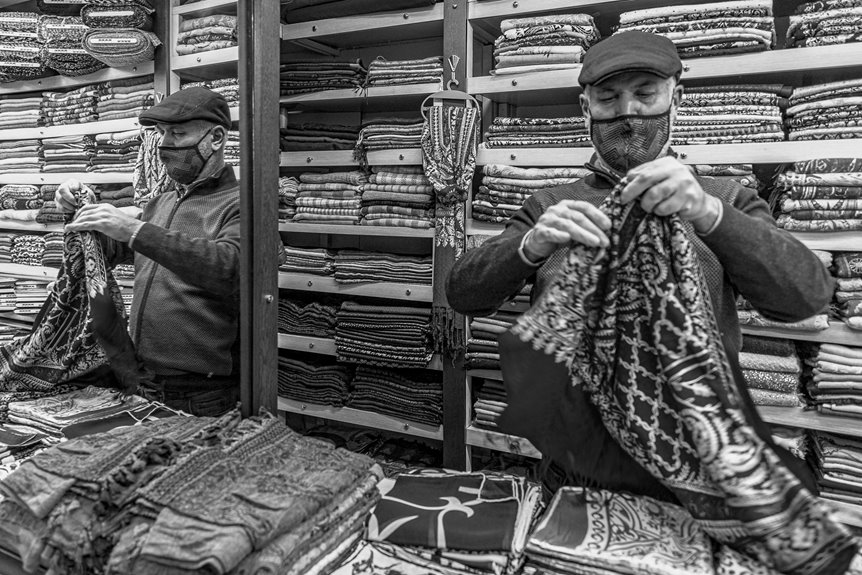
You’ll find that traditional Chanderi silk isn’t vegan since it involves harvesting silk from silkworm cocoons, which raises animal welfare concerns. However, Chanderi’s lightweight elegance can be mimicked with vegan-friendly fabrics like organic cotton or peace silk alternatives designed to minimize harm. When choosing, look for certifications and transparent sourcing to support ethical fashion. If you want to explore how to enjoy this heritage style while honoring your values, there’s more to uncover on conscious choices.
Key Takeaways
- Chanderi silk is made from silkworm fibers, making it non-vegan due to animal involvement in production.
- Traditional silk production involves boiling silkworms, raising ethical concerns for cruelty-free consumers.
- Vegan-friendly alternatives include cotton or synthetic Chanderi-style fabrics that mimic silk’s texture and appearance.
- Certifications like OEKO-TEX or GOTS help verify ethical and vegan-friendly fabric sourcing.
- Conscious consumers can support artisans by choosing sustainable, cruelty-free fabrics and fair-trade brands.
Understanding the Origins of Chanderi Silk
Chanderi silk has a rich history that dates back over seven centuries, rooted in the town of Chanderi in Madhya Pradesh, India.
When you explore Chanderi silk, you’re looking at a fabric celebrated for its lightweight texture and intricate motifs inspired by nature and traditional Indian art.
You should know that this silk combines cotton, pure silk, and zari, creating a unique blend that’s both elegant and durable.
Its origins reveal a craft passed down through generations, reflecting the cultural heritage of the region.
As you learn about Chanderi silk, you’ll see how its artistry and history make it a treasured fabric, but also why it presents challenges for those adhering to vegan principles.
The Silk Production Process Explained
Although silk is prized for its softness and sheen, producing it involves a meticulous and labor-intensive process that you might find surprising.
Silk’s luxurious softness and sheen come from a surprisingly meticulous, labor-intensive crafting process.
It starts with silkworms spinning cocoons made of raw silk fiber. You then harvest these cocoons, usually by boiling them to soften the sericin, the natural glue holding the fibers together. This step allows you to unwind the long silk threads carefully, often measuring up to several hundred meters from a single cocoon.
Afterward, you clean and dye the silk threads before weaving them on looms. For Chanderi silk specifically, artisans combine silk with cotton or zari threads, weaving intricate patterns by hand.
This entire process requires skill, patience, and precision to guarantee the fabric’s characteristic lightweight texture and lustrous finish.
Ethical Considerations in Silk Manufacturing
When you choose Chanderi silk, you should consider how the silk manufacturing affects animal welfare and the environment.
The traditional process often involves harming silkworms, raising ethical questions.
You can also look for sustainable production practices that minimize environmental impact while respecting animal life.
Animal Welfare Impacts
Because silk production involves harvesting fibers from silkworms, animal welfare concerns play a significant role in evaluating its ethical impact.
When you choose traditional Chanderi silk, you indirectly support a process where silkworms are boiled alive to extract silk threads, causing suffering and death. This raises important questions if you prioritize cruelty-free products.
While some producers try to minimize harm, the standard method doesn’t align with vegan principles focused on avoiding animal exploitation.
If you want to reduce animal suffering, you might consider alternatives like Ahimsa or peace silk, where silkworms complete their lifecycle before fibers are collected.
Understanding these impacts helps you make informed choices that reflect your values regarding animal welfare and ethical consumption in the context of silk manufacturing.
Sustainable Production Practices
While exploring Chanderi silk, you’ll find that sustainable production practices play an important role in reducing its environmental and ethical footprint.
Traditional Chanderi silk involves handloom weaving, which uses less energy compared to industrial methods. You’ll also notice that artisans often rely on natural dyes, minimizing chemical pollution. Many producers prioritize water conservation and waste reduction, vital in silk manufacturing.
However, these practices aren’t standardized across all workshops, so it’s essential you research the source carefully. Supporting brands that emphasize fair wages and safe working conditions guarantees ethical labor alongside environmental care.
Comparing Chanderi Silk With Other Vegan Fabrics
How does Chanderi silk stack up against other vegan fabrics regarding sustainability and style?
While traditional Chanderi silk involves silkworms, its lightweight, breathable texture rivals many plant-based options like organic cotton and hemp. You’ll find Chanderi’s natural sheen and intricate weaving offer a unique elegance that synthetic fabrics often lack.
Compared to bamboo or linen, Chanderi silk provides a softer feel and superior drape, enhancing its appeal for formal wear. However, if strict veganism guides your choices, you might hesitate due to its animal origin.
On sustainability, Chanderi’s handloom production supports local artisans and uses fewer chemicals than industrial fabrics.
Ultimately, if style and eco-consciousness matter to you, Chanderi silk presents a balanced option, though it’s not purely vegan like other plant-based textiles.
Alternatives to Chanderi Silk for Vegan Fashion
If you want to embrace vegan fashion without compromising on elegance, several alternatives to Chanderi silk can fit the bill.
These fabrics offer the same lightweight feel and beautiful drape while aligning with your ethical values. Here are some vegan-friendly options you might consider:
- Tencel (Lyocell): A sustainable fabric made from wood pulp, soft with a silky sheen.
- Organic Cotton: Breathable and versatile, perfect for casual and formal wear.
- Linen: Lightweight and textured, providing a natural look with excellent durability.
- Rayon: A semi-synthetic fabric that mimics silk’s flow and sheen without animal products.
Choosing these alternatives lets you enjoy sophisticated fashion while staying true to your vegan principles.
How to Identify Vegan-Friendly Chanderi-style Fabrics
When you’re choosing Chanderi-style fabrics, start by checking the material composition to verify no animal products like silk or wool are included.
Always look for labels or certifications that confirm the fabric is vegan-friendly. This helps you make informed, ethical choices without compromising style.
Material Composition Check
Although Chanderi silk is traditionally known for its luxurious texture, you can still find vegan-friendly alternatives by carefully examining the material composition.
When shopping, pay close attention to the fabric blend and fibers used.
Look for these key indicators to spot vegan-friendly Chanderi-style fabrics:
- Use of cotton, silk alternatives like Tussar or Mulberry silk substitutes, or synthetic fibers such as rayon or polyester.
- Absence of natural silk fibers, which come from silkworms.
- Presence of plant-based fibers like hemp or bamboo blended in the fabric.
- Smooth, lightweight texture without the characteristic sheen of real silk.
Labels and Certifications
Labels and certifications play an essential role in helping you identify vegan-friendly Chanderi-style fabrics. When shopping, look for certifications like OEKO-TEX Standard 100 or GOTS, which guarantee the fabric is free from animal-derived materials and harmful chemicals.
Some brands also use specific “vegan” or “cruelty-free” labels, making your choice easier. Always check the product description or tags for terms like “plant-based fibers” or “synthetic alternatives.”
Avoid labels that mention silk, wool, or other animal products. If in doubt, contact the seller directly to confirm the material’s origin and certification.
Making Conscious Choices in Traditional Indian Wear
Choosing traditional Indian wear like Chanderi silk gives you a chance to support sustainable and ethical fashion.
When making conscious choices, consider the entire lifecycle of your garment—from materials to production methods. You can prioritize brands that respect artisans’ rights and avoid harmful chemicals.
Since Chanderi silk often involves animal-derived fibers, explore alternatives like organic cotton or plant-based fabrics if you aim for vegan options. Always check for transparency in sourcing and certifications that align with your values.
Here’s how to make mindful decisions:
- Research the fabric origin and production ethics
- Opt for cruelty-free or plant-based textiles
- Support local artisans and fair-trade initiatives
- Choose brands with clear sustainability commitments
Frequently Asked Questions
Can Chanderi Silk Be Blended With Synthetic Vegan Fibers?
You might be surprised that over 60% of fabric blends incorporate synthetics for durability. You can blend Chanderi silk with synthetic vegan fibers to enhance strength and affordability while maintaining its elegant texture and sheen.
How Durable Is Chanderi Silk Compared to Other Fabrics?
You’ll find Chanderi silk moderately durable—it’s lightweight and delicate compared to cotton or polyester. With gentle care, it lasts well, but it’s not as tough for everyday wear or heavy use as synthetic fabrics.
What Are Common Care Instructions for Chanderi Silk Garments?
You should hand wash Chanderi silk garments gently in cold water with mild detergent. Avoid wringing or twisting, and let them air dry away from direct sunlight to maintain their delicate texture and vibrant colors.
Are There Specific Regions in India Known for Chanderi Silk?
You won’t believe it, but the heart of Chanderi silk beats strongest in Madhya Pradesh! When you visit, you’ll find the enchanting towns of Chanderi and Maheshwar crafting silk that’s pure magic you can wear.
Does Chanderi Silk Have Any Cultural or Ceremonial Significance?
You’ll find Chanderi silk deeply tied to Indian culture, often worn during weddings and festivals. Its delicate patterns and light texture make it a symbol of elegance and tradition, perfect for ceremonial occasions.