
If you’re wondering if bouclé is like fleece, they’re both cozy but quite different. Bouclé has a textured, looped surface offering a stylish, airy warmth, while fleece feels soft, smooth, and plush with superior insulation. Bouclé suits chic, moderate climates; fleece works great for cold, damp conditions and activewear. Both offer comfort, but their look, feel, and care needs vary. Keep exploring to see which fabric fits your style and warmth needs best.
Key Takeaways
- Bouclé has a looped, textured surface, while fleece is smooth, plush, and velvety.
- Bouclé offers moderate warmth with good breathability; fleece provides higher warmth but less breathability.
- Fleece excels in moisture-wicking and quick drying; bouclé lacks effective moisture control.
- Bouclé is delicate and requires gentle cleaning; fleece is durable and machine washable.
- Bouclé suits stylish, polished looks; fleece is ideal for casual, sporty, and cold-weather wear.
What Is Bouclé Fabric?
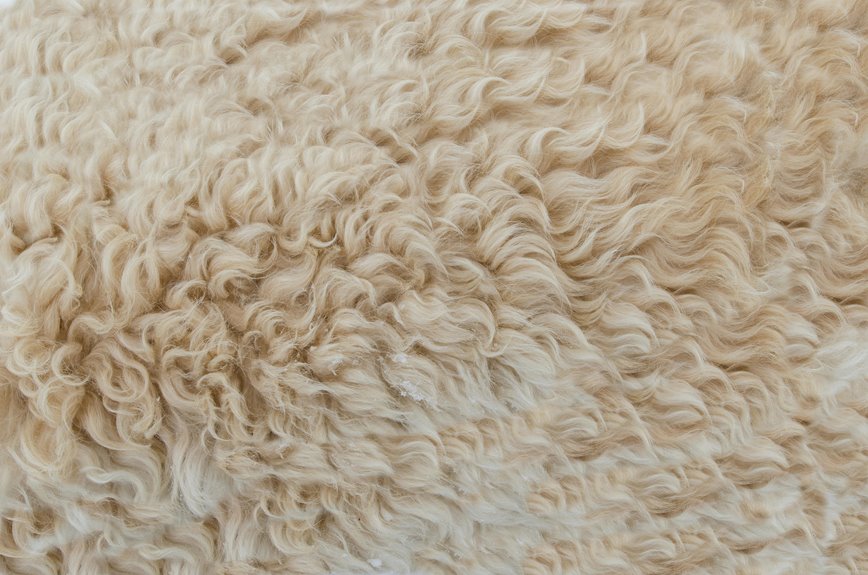
Bouclé fabric is known for its distinctive looped texture, which gives it a unique, bumpy surface. When you touch bouclé, you’ll notice its soft, tactile loops that create a rich visual and physical depth.
This fabric is woven using yarns with loops of varying sizes, resulting in a textured, almost curly appearance. You’ll often find bouclé made from wool, cotton, or synthetic blends, making it warm yet breathable.
Its textured nature makes it excellent for upholstery, jackets, and cozy throws. Unlike smooth fabrics, bouclé’s loops add volume without weight, so you stay comfortable without feeling bulky.
If you want a fabric that combines softness with an eye-catching texture, bouclé offers both style and warmth in one unique package.
What Is Fleece Fabric?
While bouclé offers a textured, looped surface, fleece fabric takes softness and warmth in a different direction. You’ll find fleece is a synthetic knit, usually made from polyester, designed to mimic the softness of wool while being lightweight and insulating. It’s perfect for cozy jackets, blankets, and activewear.
Here’s a quick look at fleece’s main traits:
| Feature | Description |
|---|---|
| Material | Polyester |
| Texture | Soft, plush, and smooth |
| Warmth | High insulation |
| Weight | Lightweight |
| Common Uses | Jackets, blankets, activewear |
Fleece’s ability to wick moisture and dry quickly makes it a practical choice for outdoor gear.
Key Differences in Texture Between Bouclé and Fleece
When you touch bouclé and fleece, you’ll notice their textures feel quite different—bouclé has a looped, nubby surface, while fleece feels soft and smooth.
These differences come from the fibers used and how each fabric is made.
You’ll also find that warmth and breathability vary between the two, affecting how comfortable they’re to wear.
Surface Feel Comparison
Although both fabrics offer unique tactile experiences, you’ll notice that bouclé feels nubby and textured due to its looped yarns, while fleece is soft and plush, providing a smooth, cozy surface.
When you run your hand over bouclé, the tiny loops create a bumpy, uneven feel that adds character and depth. In contrast, fleece feels consistently velvety and cushioned, almost like a gentle hug. This makes fleece ideal if you want something ultra-soft against your skin.
Bouclé’s surface invites you to appreciate its tactile complexity, perfect for decorative or statement pieces.
Fiber Composition Differences
Because bouclé and fleece come from different fiber compositions, their textures vary considerably.
Bouclé typically uses natural fibers like wool, cotton, or silk, which gives it a rich, tactile feel with loops you can actually see and touch.
On the other hand, fleece is usually made from synthetic fibers such as polyester, designed to mimic wool’s softness but with a smooth, plush surface.
When you run your hand over bouclé, you notice its uneven, knotted texture due to its looped yarns.
Fleece feels more uniform and velvety because of its dense knit and synthetic makeup.
So, if you prefer a fabric with a more organic, textured sensation, bouclé suits you better.
But if you want a consistent, soft touch, fleece fits that bill.
Warmth and Breathability
If you want a fabric that keeps you warm without sacrificing breathability, understanding how bouclé and fleece perform is key. Bouclé’s looped texture traps air gently, offering warmth while allowing your skin to breathe. Fleece, made from synthetic fibers, excels in insulation but can feel less breathable, sometimes causing you to overheat during active wear.
| Fabric | Warmth Level | Breathability |
|---|---|---|
| Bouclé | Moderate warmth | High breathability |
| Fleece | High warmth | Moderate breathability |
| You feel | Cozy without sweat | Toasty but can sweat |
When choosing, think about your activity and comfort—bouclé suits relaxed warmth, fleece fits active chill.
Material Composition of Bouclé vs. Fleece
You’ll find that bouclé and fleece differ in the types of fibers they use and how they’re constructed.
Bouclé often combines natural fibers like wool with synthetic ones, woven to create its signature looped texture.
In contrast, fleece is usually made from synthetic fibers, knitted or brushed to achieve its soft, insulating feel.
Fiber Types Used
Although both bouclé and fleece fabrics serve as popular choices for cozy apparel and home textiles, they differ markedly in their fiber compositions.
When you pick bouclé, you’re usually getting a blend of natural and synthetic fibers that create its signature looped texture.
Fleece, on the other hand, is almost always synthetic, designed for warmth and softness.
Here’s what you’ll find in each:
- Bouclé: Wool, cotton, silk, polyester, and nylon blends
- Fleece: Primarily polyester, sometimes with recycled fibers
- Bouclé: Natural fibers give it breathability and texture
- Fleece: Synthetic fibers offer excellent insulation and moisture-wicking
- Bouclé: Often uses mixed fibers to enhance durability and look
Knowing these differences helps you choose the fabric that best suits your needs.
Fabric Weaving Techniques
When you examine how bouclé and fleece fabrics are made, you’ll notice they rely on very different weaving and knitting techniques that give each its unique texture and performance.
Bouclé uses a weaving method that incorporates looped yarns, creating a textured, curly surface. This technique often involves combining multiple yarns with varied tension, resulting in that distinctive knobby feel you recognize instantly.
On the other hand, fleece is typically produced through knitting, not weaving. It starts as a knit fabric, then undergoes a brushing process that raises soft fibers, giving fleece its plush, fuzzy surface.
Typical Uses for Bouclé Fabric
Bouclé fabric stands out for its distinctive looped texture and durability, making it a favorite in both fashion and home decor. When you choose bouclé, you get a material that adds both visual and tactile interest.
You’ll often find it used in:
- Stylish jackets and coats that offer warmth with a unique look
- Elegant skirts and dresses perfect for cooler seasons
- Upholstery for sofas and chairs that needs texture and resilience
- Decorative cushions and throws that add cozy charm to any room
- Statement hats and scarves that combine function and flair
With bouclé, you get versatility that works well beyond typical attire, enhancing your space and wardrobe with timeless appeal.
It’s a fabric that brings both comfort and sophistication to your everyday life.
Common Applications of Fleece Fabric
Fleece fabric offers exceptional warmth and softness, making it a go-to choice for casual and outdoor wear. You’ll find fleece commonly used in jackets, hoodies, and vests that keep you cozy during chilly days.
It’s also popular for blankets and throws, providing comfort in your living room or on camping trips. When you need lightweight warmth, fleece excels in activewear like sweatpants and hats.
It’s breathable yet insulating, perfect for layering under heavier coats or wearing alone during mild weather. Kids’ clothing often features fleece for its softness and easy care.
Even pet accessories, like dog sweaters and beds, benefit from fleece’s cozy nature. Overall, fleece’s versatility suits many everyday applications where warmth and comfort matter most.
Durability and Maintenance Comparison
Although both fabrics serve well in comfort and style, their durability and maintenance needs differ considerably.
Both bouclé and fleece offer comfort and style but differ significantly in durability and care requirements.
When choosing between bouclé and fleece, you should consider how much care and wear they can handle.
- Bouclé is delicate; it can snag easily and may require gentle hand washing or dry cleaning.
- Fleece is more durable and machine washable, making it easier to maintain.
- Bouclé tends to lose its texture faster if not handled carefully.
- Fleece resists pilling and drying quickly, perfect for frequent use.
- Bouclé’s intricate loops can trap dirt, demanding more attention during cleaning.
Comfort and Warmth: Which Fabric Performs Better?
When you want cozy warmth without sacrificing softness, understanding each fabric’s qualities becomes essential. Bouclé offers a textured, airy feel that traps heat gently, making it great for moderate warmth. Fleece, on the other hand, excels at insulating and wicks moisture away, keeping you dry and snug in colder conditions. Here’s a quick comparison to help you decide:
| Feature | Bouclé |
|---|---|
| Softness | Soft, textured surface |
| Warmth Level | Moderate insulation |
| Moisture Control | Limited |
| Breathability | Good |
| Ideal Use | Mild cool weather |
| Feature | Fleece |
| Softness | Smooth, plush |
| Warmth Level | High insulation |
| Moisture Control | Excellent |
| Breathability | Moderate |
| Ideal Use | Cold, damp conditions |
Style and Aesthetic Considerations for Bouclé and Fleece
Beyond comfort and warmth, the look and feel of bouclé and fleece fabrics play a big role in your choice.
More than just comfort and warmth, the texture and style of bouclé and fleece define your fashion vibe.
Bouclé offers a textured, sophisticated appearance with its looped yarns, perfect for elevating your style, while fleece presents a smooth, casual vibe that’s all about cozy practicality.
When deciding, consider these style points:
- Bouclé’s rich texture adds depth and elegance to jackets and upholstery
- Fleece’s soft, uniform surface suits sporty and relaxed clothing
- Bouclé often appears in muted, earthy tones, enhancing a refined look
- Fleece comes in vibrant colors, allowing playful and bold outfit choices
- Bouclé’s structure holds shape well; fleece drapes loosely for comfort
You’ll find bouclé ideal for chic, polished looks, while fleece fits casual, laid-back styles.
Frequently Asked Questions
Can Bouclé or Fleece Fabrics Be Recycled?
You’d think bouclé and fleece could magically recycle into endless fabric clouds, but sadly, recycling them isn’t straightforward. You’ll find limited options, so check local programs or consider repurposing to keep these cozy fabrics out of landfills.
Are Bouclé and Fleece Hypoallergenic?
You’ll find that fleece is generally hypoallergenic, making it great if you’re sensitive to allergens. Bouclé, with its textured loops, might trap dust and irritate sensitive skin, so it’s less ideal for allergies.
Which Fabric Is More Eco-Friendly to Produce?
You’ll find bouclé often uses natural fibers like wool, making it more eco-friendly than fleece, which is usually synthetic and petroleum-based. Producing fleece typically consumes more energy and creates microplastic pollution, so bouclé is greener overall.
How Do Bouclé and Fleece Fabrics Respond to Dyeing?
You’ll find that bouclé absorbs dye unevenly due to its textured loops, creating unique patterns, while fleece takes dye uniformly, resulting in vibrant, solid colors. About 75% of fleece garments retain color longer than bouclé.
Can Bouclé or Fleece Be Used for Outdoor Gear?
You can use fleece for outdoor gear since it’s warm, lightweight, and moisture-wicking. Bouclé’s texture isn’t ideal for outdoor use—it lacks durability and weather resistance—so stick with fleece for your active adventures.