
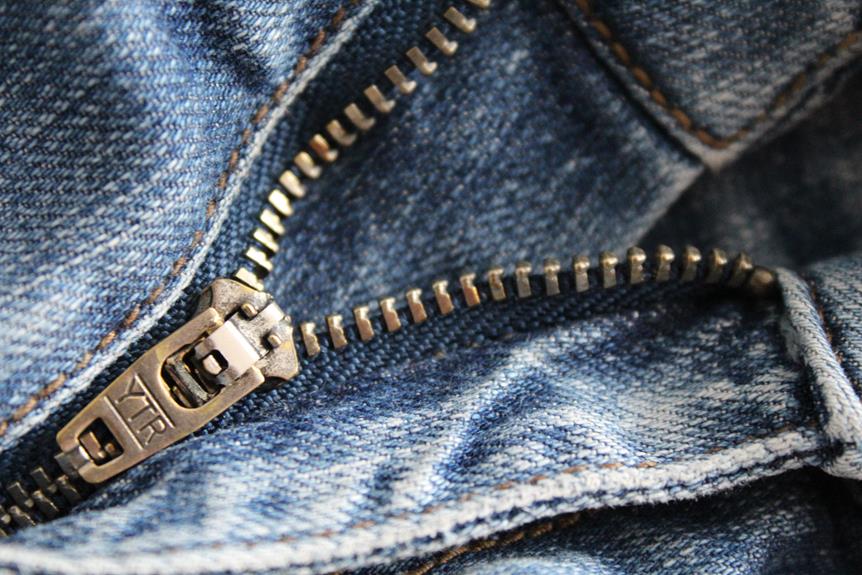
Are you aware that chain zippers are the most widely used type of zipper in fabric projects, accounting for 70% of zipper sales worldwide?
When considering the best choice for your fabric projects, chain zippers offer a multitude of benefits, from their durability and strength to their versatility in styling possibilities.
Whether you are working on clothing, bags, or home decor, understanding the selection tips, installation guide, and maintenance and care of chain zippers will elevate your mastery in fabric craftsmanship.
This brief exploration will delve into the advantages of using chain zippers and provide valuable insights for your next creative endeavor.
Key Takeaways
- Chain zippers are the most widely used type of zipper in fabric projects, providing durability and strength.
- They offer versatility for different projects, as they are compatible with a wide range of fabrics and can be easily customized.
- Chain zippers provide a secure closure and enhance the overall functionality of fabric items.
- They are suitable for heavy-duty items and applications that require durability, making them a reliable choice for various fabric projects.
Benefits of Chain Zippers
When choosing zippers for your fabric projects, chain zippers offer durability and flexibility, making them a reliable choice for various applications. Chain zippers are known for their strength, which is crucial for projects that require a sturdy closure. Whether you're working on heavy-duty fabrics like denim or lightweight materials such as silk, chain zippers are compatible with a wide range of fabrics, providing the versatility you need for different projects.
One of the key benefits of chain zippers is their customization options. You can easily find chain zippers in various lengths, colors, and materials, allowing you to tailor the zipper to your specific project requirements. This level of zipper customization gives you the flexibility to choose the perfect zipper for your garment or accessory.
Types of Fabric Projects
For your fabric projects, you'll need a zipper that can withstand frequent use and diverse fabric types. When considering the types of fabric projects you'll be working on, it's important to choose the right zipper to ensure the success of your creations.
Here are some common fabric projects where the choice of zipper plays a crucial role:
- Custom designs: Whether you're creating custom clothing, accessories, or home decor items, having a zipper that complements your unique designs is essential for achieving the desired aesthetic and functionality.
- Upholstery: When working on upholstery projects such as cushions, pillows, or furniture covers, the durability and strength of the zipper are paramount to ensure longevity and ease of use.
- Bags and purses: Crafting bags and purses requires zippers that can withstand frequent opening and closing, providing security for the contents while also adding a stylish touch.
- Garment fastenings: Zippers are commonly used in garments like dresses, skirts, and jackets, so choosing the right type of zipper is crucial for ensuring a seamless and polished finish.
- Home decor: From curtains to duvet covers, zippers are essential for various home decor projects, and selecting the appropriate zipper type ensures both functionality and visual appeal.
Durability and Strength
When choosing a zipper for your fabric projects, it's important to consider the durability and strength that a chain zipper can offer.
The chain zipper's sturdy construction provides a reliable closure that can withstand frequent use and heavy fabrics. This strength ensures that your fabric projects will maintain their functionality and appearance over time.
Chain Zipper Benefits
If you're looking for a zipper that offers exceptional durability and strength, a chain zipper is the ideal choice for your fabric projects.
Chain zippers provide several benefits that make them suitable for a wide range of fabric applications:
- Superior Durability: The interlocking teeth of a chain zipper make it highly resistant to wear and tear, ensuring longevity in your fabric projects.
- Strength: Chain zippers are known for their robustness, making them suitable for heavy-duty fabrics and applications where strength is crucial.
- Smooth Operation: These zippers offer a seamless, snag-free closure, enhancing the overall functionality of your fabric items.
- Versatility: Chain zippers come in various materials and sizes, catering to different fabric types and project requirements.
- Reliable Security: The sturdy construction of chain zippers provides added security, keeping your fabric projects securely fastened.
Chain zippers are a top choice when durability and strength are paramount in your fabric projects.
Fabric Project Suitability
When choosing a chain zipper for your fabric projects, consider the durability and strength required for the specific application. Zipper selection plays a crucial role in ensuring that your fabric projects withstand the test of time.
For heavy-duty items like bags or outdoor gear, opting for a chain zipper can provide the necessary durability to handle frequent use and rough conditions.
Additionally, sewing techniques are vital in enhancing the strength of the zipper attachment to the fabric. Reinforcing the zipper seam with topstitching or using appropriate stitching methods can significantly contribute to the overall strength of the project.
Strength for Durability
To ensure the durability of your fabric projects, reinforce the zipper attachment with topstitching or appropriate stitching methods for added strength and longevity. When considering the strength for durability of a chain zipper for your fabric projects, it's crucial to take into account the following factors:
- Material Compatibility: Ensure that the zipper material is compatible with the fabric to prevent tearing or fraying over time.
- Stitching Reinforcement: Implement topstitching or other suitable stitching techniques to fortify the attachment of the zipper for increased durability.
- Zipper Gauge: Select a zipper with a suitable gauge for the fabric weight to avoid strain and potential breakage.
- Slider Quality: Assess the quality of the zipper slider to guarantee smooth operation and reduce the risk of damage to the fabric or zipper teeth.
- Pull Strength: Evaluate the pull strength of the zipper to withstand frequent use without compromising durability.
Selection Tips
Consider the fabric weight and zipper length when selecting a chain zipper for your project.
The fabric weight will determine the strength and durability required of the zipper. For heavier fabrics, such as denim or canvas, a larger, sturdier zipper is essential to ensure it can withstand the fabric's weight and tension.
Lighter fabrics, like silk or chiffon, may require a smaller, more delicate zipper that won't overpower the fabric.
When choosing a zipper length, ensure that it's at least as long as the opening it will be sewn into, with some extra length for ease of use.
For garments, the zipper should ideally extend past the waist or hip for comfortable dressing and undressing.
If the zipper is for a bag or pouch, it should run the full length of the opening for easy access.
Installation Guide
When it comes to installing a chain zipper, understanding its compatibility with different fabrics is crucial.
You'll also need a clear, step-by-step installation process to ensure a successful outcome.
And in case you encounter any issues, knowing how to troubleshoot common problems will be invaluable.
Zipper Compatibility With Fabric
If you plan to install a chain zipper on your fabric project, ensure that the fabric is compatible with the zipper teeth and can withstand the installation process. Here are some key factors to consider for zipper compatibility with fabric:
- Fabric Type: Different fabrics, such as cotton, denim, or polyester, may require specific types of zippers for proper installation.
- Zipper Weight: Ensure the zipper weight aligns with the fabric's weight to prevent any pulling or tearing.
- Zipper Length: Choose a zipper length that complements the fabric project, allowing for easy installation and functionality.
- Fabric Thickness: Consider the thickness of the fabric to ensure that the zipper teeth can securely hold the fabric without causing any damage.
- Zipper Tape Color: Select a zipper tape color that complements the fabric's color for a seamless and polished look.
Step-By-Step Installation Process
To install a chain zipper on your fabric project, begin by gathering the necessary materials and laying out the fabric on a flat surface. Here are some installation tips and zipper customization options to help you through the process:
| Installation Tips | Zipper Customization |
|---|---|
| Ensure the zipper is longer than the fabric opening to allow for easier installation. | Choose a zipper color that complements your fabric for a professional finish. |
| Pin the zipper in place before sewing to ensure it stays aligned during installation. | Consider adding zipper pulls or decorative sliders for a personalized touch. |
| Use a zipper foot on your sewing machine to sew close to the zipper teeth for a clean, professional look. | Opt for a metal chain zipper for a durable and high-end look. |
Following these tips and customization options will help you achieve a seamless and personalized installation of your chain zipper.
Troubleshooting Common Issues
Experiencing zipper jams or misalignment during installation? Don't worry, troubleshooting common issues with chain zippers is manageable with the right techniques. Here are some tips to help you overcome common problems:
- Check for Fabric Obstructions: Ensure there are no obstructions such as fabric folds or puckering that could be causing the zipper to jam.
- Inspect Zipper Teeth: Look for any bent or misaligned teeth along the zipper chain that could be causing issues.
- Use Lubrication: Applying a small amount of zipper lubricant can help smoothen the movement of the zipper.
- Adjust Zipper Pull: Sometimes, the issue might be as simple as the zipper pull being misaligned. Adjust it carefully to ensure smooth operation.
- Realign Zipper Tracks: If the tracks aren't aligned properly, carefully realign them to ensure smooth zipping.
These troubleshooting techniques should help you overcome common problems encountered during chain zipper installation.
Styling Possibilities
Consider the chain zipper for your fabric projects to explore endless styling possibilities. Chain zippers offer fashion versatility and design flexibility, allowing you to elevate the overall look of your creations.
Whether you're working on a sleek and modern garment or a more traditional and intricate design, the chain zipper can seamlessly complement your vision.
When it comes to fashion versatility, chain zippers are available in a wide range of materials, finishes, and colors, making it easier to find the perfect match for your fabric projects. From polished metal to matte black or even vibrant hues, the options are virtually endless.
Additionally, the sleek and elegant appearance of chain zippers can add a touch of sophistication to any outfit, making them ideal for both casual and formal wear.
Moreover, the design flexibility offered by chain zippers enables you to experiment with various closure styles and placements. Whether you prefer a classic centered closure or a more contemporary off-center or asymmetrical design, the chain zipper can adapt to your creative choices, allowing you to achieve the perfect finishing touch for your fabric projects.
Maintenance and Care
Ensure that you regularly clean and lubricate your chain zipper to maintain its smooth functionality and prolong its lifespan. Proper maintenance and care are crucial for preventing corrosion and ensuring that your chain zipper operates smoothly.
Here are some essential tips for maintaining and caring for your chain zipper:
- Regular Cleaning: Use a small brush or cloth to remove any dirt, dust, or debris from the chain zipper. This prevents buildup that can lead to decreased functionality.
- Proper Lubrication: Apply a silicone-based lubricant to the zipper teeth to keep them moving smoothly. Be sure to wipe away any excess lubricant to avoid attracting dirt and grime.
- Avoiding Excessive Force: When using the zipper, avoid forcing it if it gets stuck. Gently backtrack and realign the teeth to prevent damage.
- Storage: Store items with chain zippers in a cool, dry place to prevent corrosion and damage from environmental factors.
- Regular Inspection: Periodically inspect the zipper for any signs of wear or damage and address any issues promptly to prolong its lifespan.
Frequently Asked Questions
Can Chain Zippers Be Used on Delicate Fabrics Like Silk or Chiffon?
When using chain zippers on delicate fabrics like silk or chiffon, be cautious as they may snag or pull the fabric. Consider using invisible or nylon coil zippers as alternatives for delicate fabrics.
Are Chain Zippers Suitable for Heavy-Duty Projects Like Upholstery or Outdoor Gear?
Yes, chain zippers are suitable for heavy-duty applications like upholstery or outdoor gear. They provide durability and strength, making them ideal for withstanding tough conditions and frequent use in outdoor settings.
Can Chain Zippers Withstand Frequent Washing and Drying Without Losing Their Shape or Functionality?
When it comes to zipper durability, washing is a key factor. Chain zippers are often compatible with frequent washing, maintaining their shape and functionality. They're a solid choice for fabric projects that require regular cleaning.
What Are the Best Practices for Selecting the Right Size and Color of Chain Zippers for Different Fabric Projects?
When selecting chain zippers for your fabric projects, consider the size, color, quality, and durability. Ensure compatibility with the material and follow proper care and storage maintenance to prolong its lifespan.
Are There Any Special Maintenance or Care Instructions for Chain Zippers to Ensure Their Longevity and Performance?
To ensure longevity and performance, follow these maintenance tips for chain zippers. For delicate fabrics, opt for smaller sizes and color matching. For heavy duty projects, choose larger sizes. Avoid washing and drying to preserve durability.