
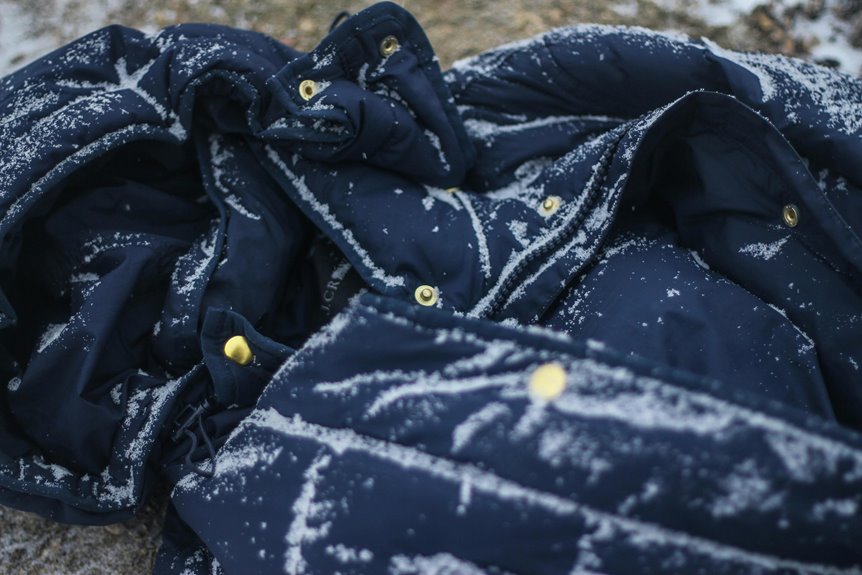
A polyamide coat offers durable, lightweight protection that’s naturally water-resistant and quick-drying, making it great for staying dry in light rain. How warm it feels depends heavily on the insulation inside—like synthetic fibers or removable liners—that trap heat while allowing breathability to prevent sweat buildup. Though not as warm as down or wool alone, polyamide balances warmth, flexibility, and weather resistance. Keep going, and you’ll discover how to maximize its comfort and performance for winter wear.
Key Takeaways
- Polyamide coats are durable, water-resistant, and lightweight, offering good protection against wind and light rain.
- Warmth depends mainly on the type and quality of insulation used inside the polyamide shell.
- Synthetic insulation in polyamide coats traps heat effectively and dries quickly compared to down.
- Features like adjustable cuffs, hems, and hoods enhance heat retention and block cold drafts.
- Layering with moisture-wicking and insulating garments improves comfort and overall warmth under a polyamide coat.
Understanding Polyamide Fabric and Its Properties
Polyamide fabric, commonly known as nylon, offers impressive durability and flexibility that make it popular for coats.
When you choose a polyamide coat, you’re picking a material that resists abrasion and tears, so it stands up well to daily wear and outdoor activities.
It’s lightweight, which means your coat won’t feel bulky or heavy, allowing you to move freely.
Plus, polyamide naturally repels water to some extent, helping keep you dry during light rain.
Its quick-drying nature guarantees moisture won’t linger, reducing discomfort.
While it’s not inherently very warm, polyamide’s strength and resilience make it an excellent outer shell material.
You’ll find it’s also easy to clean and maintain, which adds to its practicality for everyday winter wear.
Insulation Capabilities of Polyamide Coats
While the fabric itself offers durability and water resistance, its ability to keep you warm depends largely on the insulation used within the coat.
Polyamide coats often feature synthetic insulation like polyester fibers or down alternatives, which trap heat effectively. When you choose a polyamide coat, check the type and thickness of insulation to gauge warmth.
The insulation works by creating air pockets that retain your body heat while blocking cold air. Some polyamide coats have removable liners, giving you flexibility for varying temperatures.
Keep in mind, the fabric’s breathability combined with insulation affects comfort—too little breathability can cause sweat buildup, reducing warmth.
Comparing Polyamide With Other Winter Coat Materials
When choosing a winter coat, you’ll want to compare materials like wool, down, and synthetic fabrics to see how they stack up against polyamide.
Polyamide offers excellent durability and water resistance, making it great for wet conditions. Wool provides natural warmth and breathability but can be heavier and less water-resistant. Down excels in lightweight insulation but loses warmth when wet. Synthetic fabrics, including polyamide blends, often balance warmth, weight, and moisture management well.
Consider these points:
- Warmth: Down > Wool > Polyamide > Some synthetics
- Water Resistance: Polyamide > Synthetics > Wool > Down
- Durability: Polyamide > Wool > Down
- Weight: Down < Polyamide < Wool
Understanding these differences helps you pick a coat that matches your climate and activity.
Key Features to Look for in a Warm Polyamide Coat
Choosing the right winter coat means more than just picking a material; you’ll want to focus on specific features that enhance warmth and comfort.
Look for a polyamide coat with quality insulation, such as down or synthetic fill, which traps heat effectively. A water-resistant or waterproof finish is essential to keep moisture out, maintaining warmth.
Check for adjustable cuffs and hems to seal in heat and block cold drafts. A well-designed hood, ideally lined or insulated, adds extra protection against wind and snow.
Pay attention to the coat’s fit—it should allow layering without feeling bulky.
Finally, durable stitching and reinforced seams help maintain the coat’s structure and warmth over time, ensuring you stay cozy all winter long.
Tips for Layering and Maintaining Warmth With Polyamide Outerwear
Since polyamide coats excel at blocking wind and moisture, layering properly underneath can greatly boost your overall warmth.
Polyamide coats block wind and moisture, so smart layering underneath significantly enhances your warmth.
Start with a moisture-wicking base layer to keep sweat away from your skin. Add an insulating mid-layer like fleece or down to trap heat effectively. Avoid bulky layers that restrict movement under your polyamide coat. Finally, make sure your outer shell fits comfortably over your layers without compressing them.
Here are some quick tips for layering and maintaining warmth:
- Choose breathable fabrics for inner layers to prevent overheating.
- Use zippered layers for easy temperature control.
- Don’t forget accessories like hats and gloves to protect extremities.
- Regularly dry your coat and layers to maintain insulation efficiency.
Follow these steps, and you’ll stay warm and comfortable all winter long.
Frequently Asked Questions
Can Polyamide Coats Be Waterproofed for Heavy Rain?
You can waterproof polyamide coats for heavy rain by applying a durable water repellent (DWR) spray. It helps repel water, keeping you dry, but reapply regularly to maintain effectiveness in wet conditions.
How Does Polyamide Fabric Handle Breathability During Intense Activities?
Wondering if polyamide fabric keeps you comfortable during intense activities? It wicks moisture well and dries quickly, so you won’t feel clammy. But for maximum breathability, you might want to layer or choose ventilated designs.
Are Polyamide Coats Environmentally Friendly or Recyclable?
You’ll find polyamide coats aren’t the most eco-friendly since they’re synthetic, often derived from petroleum. However, some brands use recycled polyamide, and you can recycle certain coats at specialized facilities, reducing environmental impact.
Do Polyamide Coats Cause Allergies or Skin Irritation?
You usually won’t experience allergies or skin irritation from polyamide coats since the material is hypoallergenic. However, if you have sensitive skin, you might want to try it on first or wear a layer underneath to be safe.
What Is the Typical Lifespan of a Polyamide Winter Coat?
You wear it, wash it, store it—your polyamide coat typically lasts 5 to 10 years. If you treat it well, avoid harsh chemicals, and mend tears early, it’ll keep you warm through many winters.