
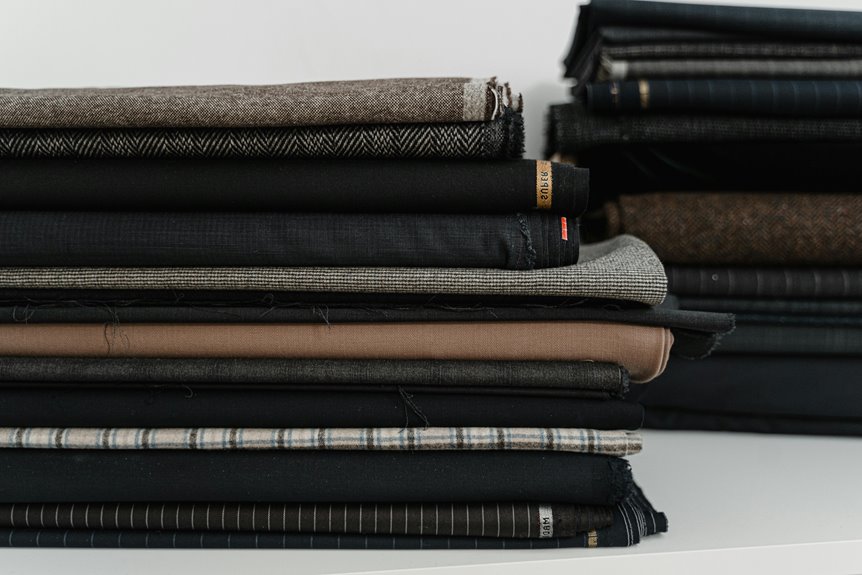
You can tell percale sheets from regular cotton by their distinct crispness and matte finish, thanks to a tight one-over, one-under weave. Percale feels cooler and more breathable, perfect if you tend to sleep hot. Regular cotton sheets are softer and smoother with a slightly shinier look, offering a cozy, relaxed feel. Both have their perks, so if you want to discover which fits your sleep style best, keep exploring the differences and benefits.
Key Takeaways
- Percale sheets have a tight one-over, one-under weave, giving a crisp, matte finish, unlike the softer, often shinier regular cotton weave.
- Percale feels cool and crisp with a lightweight texture, while regular cotton feels softer, warmer, and more relaxed to the touch.
- Percale sheets maintain firmness and resist pilling after washing, whereas regular cotton softens and may show wear more quickly.
- Percale is more breathable and ideal for hot sleepers, while regular cotton offers cozy warmth suited for cooler conditions.
- Percale sheets often require ironing to preserve their crisp look, unlike regular cotton, which generally requires less maintenance.
Understanding the Percale Weave
Although both percale and regular cotton share the same natural fiber, percale stands out because of its unique weaving method.
When you look closely, percale uses a simple one-over, one-under pattern, which creates a crisp, matte finish. This tight weave results in a fabric that feels smooth and cool against your skin.
Unlike other cotton weaves that might be looser or have more texture, percale’s structure is consistent and dense. This means you’ll notice a lighter, breathable fabric that still holds its shape well.
Percale’s dense, consistent weave creates a breathable, lightweight fabric that maintains its shape beautifully.
When you run your fingers over percale sheets, they feel distinctly firm but soft, thanks to this weaving style. Understanding this difference helps you appreciate why percale offers a unique sleep experience compared to regular cotton.
Characteristics of Percale Sheets
Percale sheets offer a crisp, cool feel that many sleepers find invigorating, especially in warmer months.
When you run your hand over percale, you’ll notice its smooth, matte finish and lightweight texture. These sheets are tightly woven with a one-over-one-under pattern, giving them durability and a distinct firmness compared to softer weaves.
You’ll appreciate how percale sheets breathe well, preventing you from overheating at night. They tend to have a slight stiffness initially but soften with repeated washes.
Unlike some cotton sheets, percale resists pilling and maintains its shape over time, ensuring a fresh look.
If you like a cool, breathable, and long-lasting option, percale sheets are designed to keep you comfortable without sacrificing resilience or style.
Features of Regular Cotton Sheets
When you choose regular cotton sheets, you’ll find they offer a soft, cozy feel that many people love for everyday comfort.
These sheets usually have a plain weave but can vary in thread count, affecting their weight and durability. Regular cotton sheets tend to be more flexible and drape well on the bed, adapting to different mattress sizes easily.
They absorb moisture effectively, helping you stay comfortable throughout the night. You’ll also notice they generally require less ironing than some other weaves, making maintenance simpler.
While they mightn’t have the crispness of percale, regular cotton sheets provide warmth and breathability, making them a reliable choice for various climates and personal preferences without sacrificing natural fiber benefits.
Comparing Texture and Feel
You’ll notice that percale sheets have a tighter weave density, giving them a crisp, smooth surface compared to regular cotton.
When you touch them, percale feels cooler and more breathable, while regular cotton often feels softer but less crisp.
Understanding these differences helps you choose the texture and feel that suits your sleep preferences best.
Weave Density Differences
A sheet’s texture often reveals its weave density, which plays a key role in how it feels against your skin.
Percale sheets typically have a higher thread count with a tight, plain weave, meaning the threads are closely packed together in a simple crisscross pattern. This denser weave gives percale its crisp, cool feel and durability.
Regular cotton sheets, on the other hand, might’ve a looser weave with fewer threads per square inch, resulting in a softer but less structured texture.
When you run your hand over percale, you’ll notice a matte finish and a slight firmness due to this density, whereas regular cotton feels more relaxed and breathable.
Understanding these weave density differences helps you choose sheets that best suit your comfort preferences.
Surface Smoothness Comparison
Although both percale and regular cotton sheets offer comfort, their surface smoothness sets them apart noticeably. When you run your hand over percale sheets, you’ll feel a crisp, matte finish that’s smooth but not slippery. Regular cotton sheets tend to feel softer and sometimes a bit fuzzier, depending on the weave and finish. This difference comes from percale’s tight, plain weave, which creates a cool, smooth texture, while regular cotton often uses varied weaves that affect softness and texture.
| Feature | Percale Sheets |
|---|---|
| Texture | Crisp, smooth, matte |
| Feel | Cool, slightly firm |
| Surface Finish | Lightweight, non-slippery |
This makes percale ideal if you prefer a fresh, crisp feel to your bedding.
Breathability and Softness
When you lie down on percale sheets, you immediately notice their excellent breathability, which keeps you cool throughout the night.
Unlike regular cotton, percale has a tight, plain weave that allows air to flow freely, preventing heat buildup. You’ll also find percale feels crisp and smooth at first touch, softening with each wash.
Regular cotton can feel warmer and sometimes heavier, depending on its weave.
Consider these points to understand their differences:
- Percale offers a cool, matte finish, perfect if you tend to overheat.
- Regular cotton varies widely, often feeling warmer and cozier.
- Percale softens over time without losing its breathable quality.
- Cotton’s softness depends on the type of cotton and weave used.
This makes percale ideal if you want a fresh, airy sleep experience.
Durability and Care Differences
Since percale sheets feature a tighter weave than regular cotton, you’ll notice they generally last longer and resist wear better. Percale holds up well through frequent washing, maintaining its crisp feel without thinning quickly. Regular cotton can soften more over time but may show signs of wear sooner. Caring for both types is similar, but percale benefits from gentle cycles and lower heat drying to preserve its texture.
| Feature | Percale Sheets | Regular Cotton Sheets |
|---|---|---|
| Durability | High wear resistance | Moderate wear |
| Washing | Gentle cycle preferred | Machine washable |
| Drying | Low heat recommended | Can tolerate higher heat |
Breathability and Temperature Regulation
Beyond durability and care, how sheets handle breathability and temperature can greatly affect your comfort. Percale sheets are known for their crisp, cool feel thanks to a tight, plain weave that allows air to flow freely. This makes them ideal if you tend to sleep hot or live in warmer climates.
Here’s what you can expect from percale’s breathability and temperature regulation:
- Lightweight fabric promotes airflow
- Moisture-wicking properties keep you dry
- Cooler touch compared to regular cotton
- Less prone to trapping heat overnight
Regular cotton sheets can vary widely but often feel softer and warmer due to different weaves.
If staying cool is your priority, percale’s structure works in your favor without sacrificing natural cotton benefits.
Choosing the Right Sheets for Your Needs
When picking sheets, you’ll want to contemplate the fabric weave since it affects both comfort and durability.
Percale’s crisp, tight weave feels cool and lasts long, while regular cotton might offer a softer touch but less durability.
Knowing these differences helps you choose sheets that best fit your sleeping style and care preferences.
Fabric Weave Differences
Although both percale and regular cotton sheets come from the same natural fiber, their fabric weaves create distinct textures and durability.
When you’re deciding between them, understanding these weave differences helps you pick sheets that suit your style and needs.
- Percale features a tight, plain weave that feels crisp and cool to the touch.
- Regular cotton often uses a sateen weave, which is softer and has a slight sheen.
- Percale’s weave results in a matte finish, while regular cotton can appear shinier.
- Percale’s structure allows for better airflow, making it ideal if you tend to sleep warm.
Comfort and Durability
Understanding the fabric weave helps you recognize how percale and regular cotton sheets will feel, but comfort and durability ultimately determine which is right for your bed. Percale sheets offer a crisp, cool touch, perfect if you tend to sleep hot, while regular cotton feels softer and warmer, ideal for cozy nights. Durability-wise, percale resists pilling and lasts longer, but regular cotton often softens with each wash.
| Feature | Percale Sheets |
|---|---|
| Feel | Crisp and breathable |
| Warmth | Cooler |
| Durability | High, resists pilling |
| Softness | Less soft initially |
| Maintenance | Requires ironing |
Choose based on whether you want crisp coolness or soft warmth.
Frequently Asked Questions
Are Percale Sheets More Expensive Than Regular Cotton Sheets?
When shopping for sheets, you’ll find percale often costs a bit more than regular cotton because it’s like the crisp, fresh breeze of bedding—durable and breathable, giving you a cooler, crisper sleep experience worth the extra bucks.
Can Percale Sheets Cause Allergies?
You might experience allergies if your percale sheets aren’t properly cleaned or if you’re sensitive to certain fibers. However, percale’s breathable cotton weave usually reduces irritation, making it less likely to cause allergic reactions than synthetic fabrics.
Do Percale Sheets Wrinkle Easily After Washing?
Yes, percale sheets tend to wrinkle more easily after washing because of their tight, plain weave. You can minimize wrinkles by removing them promptly from the dryer and folding or ironing while slightly damp.
Are Percale Sheets Suitable for Sensitive Skin?
You’ll find percale sheets great for sensitive skin since they’re breathable, lightweight, and made from natural cotton. Their crisp, smooth texture reduces irritation, helping you sleep comfortably without feeling itchy or overheated.
How Long Do Percale Sheets Typically Last?
When it comes to percale sheets, you can expect them to last around 5-10 years if you treat them right. They’re durable, but don’t throw in the towel too soon—proper care makes all the difference.