
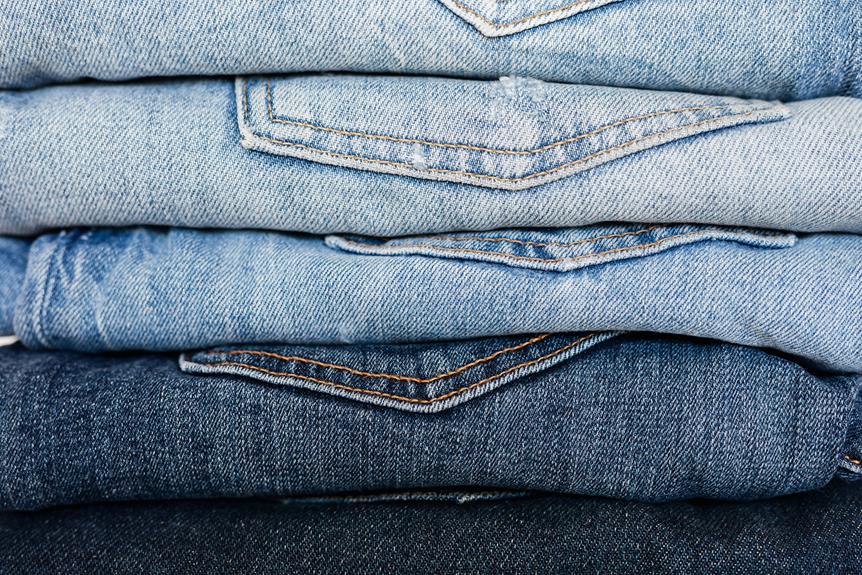
When it comes to storing fabric for future projects, you need to start by assessing what you have. You'll want to clean and sort your collection to ensure each piece is in good condition. Choosing the right storage solutions is crucial—clear bins or shelves can make a significant difference. But it doesn't stop there; there's a systematic approach to organizing and maintaining your fabrics that can prevent damage and degradation over time. Curious about how to implement these strategies effectively?
Key Takeaways
- Gather and evaluate all fabrics, sorting them by type and condition to streamline storage and usage.
- Store fabrics in a cool, dry place with controlled humidity to prevent mold and degradation.
- Use clear bins or labeled boxes for organization, categorizing by type, color, or intended projects for easy access.
- Regularly inspect fabric for damage and pests, addressing any issues promptly to maintain quality.
Assess Your Fabric Collection
Before diving into storage solutions, take a moment to evaluate your fabric collection and identify what you have. This step is crucial for understanding your inventory and making informed decisions about how to store your fabric effectively.
Start by gathering all your fabrics in one place. As you do this, sort them into categories—such as cotton, linen, or synthetic—so you can see the variety in your collection.
Next, examine the condition of each piece. Are there any fabrics that are damaged, stained, or unusable? If so, consider whether you can salvage them or if it's time to let them go. You'll want to keep only the materials that inspire you and can be used for future projects.
Take note of the sizes and quantities of your fabrics. Are there large pieces you plan to use for bigger projects, or smaller scraps that could work for patchwork?
Choose the Right Storage Solutions
With a clear understanding of your fabric collection, it's time to select storage solutions that keep your materials organized and accessible.
Start by assessing the size and amount of your fabric. For larger pieces, consider clear bins with lids. They protect from dust and allow you to see what's inside at a glance. If you have a lot of smaller scraps, opt for stackable drawer organizers or fabric boxes. These can help you categorize by color or type, making it easier to find what you need.
Shelving units are also a great option. They let you display your fabric while keeping it neatly folded. If you're short on space, think about using hanging organizers or pegboards. These can utilize vertical space and keep your fabric off the floor.
Don't forget about the importance of labeling. Whether you use bins, baskets, or shelves, labels help you quickly identify contents without rummaging through everything.
Prepare Fabric for Storage
To effectively prepare your fabric for storage, always ensure it's clean and dry to prevent mold and mildew. Here's how to get your fabric ready for a long-term stay:
- Wash and Dry: Before storing, wash your fabric according to its care instructions. Once clean, dry it thoroughly. This eliminates any dirt or oils that could lead to damage over time.
- Press: Iron your fabric if necessary. Smooth, wrinkle-free fabric not only looks better when you retrieve it, but it also takes up less space. Use the appropriate heat setting to avoid scorching.
- Fold or Roll: Depending on the type of fabric, either fold it neatly or roll it up. Folding works well for sturdier fabrics, while rolling is ideal for delicate ones. This method helps prevent creases and saves space.
Once you've completed these steps, you're ready to store your fabric with confidence. Proper preparation is key to ensuring your materials remain in excellent condition for your next creative project.
Taking just a little time now can save you frustration later on!
Organize Fabric by Type
When you organize your fabric, start by categorizing it by material type. This not only makes it easier to find what you need but also helps you keep your projects streamlined.
Next, consider sorting by color palette and using clear containers for a visually appealing and functional storage solution.
Categorize by Material Type
Categorizing your fabric by material type simplifies organization and makes it easier to find what you need for your projects. When you have a clear system, you can quickly grab the right fabric without rummaging through everything. Here's how to effectively categorize your fabric:
- Cotton: This versatile fabric is a staple in any stash. Group your cotton prints, solids, and blends together for easy access when you're working on quilts or garments.
- Silk and Satin: These delicate materials require special care. Keep them separate in a breathable bag to prevent damage. This way, you can easily locate them when you need a touch of luxury for your projects.
- Synthetic Fabrics: Fabrics like polyester and nylon can be grouped together. They often have similar care instructions and uses, making it simple to find what you need for activewear or costumes.
Sort by Color Palette
Sort your fabric by color palette to create a visually appealing and easily navigable collection that sparks your creativity. Organizing your fabric this way not only enhances your workspace but also makes it simpler to find the perfect piece for your next project.
Consider grouping your fabrics into three main categories: warm colors, cool colors, and neutrals. This method allows you to quickly identify which colors will work well together. You can then break down these categories further into shades and patterns. Here's a simple way to visualize your organization:
| Warm Colors | Cool Colors | Neutrals |
|---|---|---|
| Red | Blue | White |
| Orange | Green | Gray |
| Yellow | Purple | Beige |
| Pink | Teal | Black |
Use Clear Containers
Using clear containers helps you easily organize your fabric by type, making it simple to locate what you need for your projects. When you can see your fabric at a glance, you'll save time and reduce frustration. Here's how to get started:
- Choose the Right Size: Select containers that fit your space and the amount of fabric you have. Large bins work well for bulk fabric, while smaller containers can be great for scraps or specialty fabrics.
- Label Each Container: Clearly label each container based on the type of fabric it holds—like cotton, silk, or fleece. This way, you won't have to sift through every bin to find what you're looking for.
- Keep Similar Fabrics Together: Group fabrics by their intended use or project type. For example, keep all your quilting fabrics in one container and dressmaking fabrics in another. This organization method ensures you can quickly grab what you need when inspiration strikes.
Prevent Damage and Degradation
To prevent damage and degradation, always store fabric in a cool, dry place away from direct sunlight. UV rays can cause colors to fade and weaken fibers, so consider using opaque containers or fabric covers. Additionally, excessive humidity can lead to mold and mildew, so aim for a controlled environment.
Here's a quick reference table outlining key factors to consider when storing your fabric:
| Factor | Tips |
|---|---|
| Temperature | Keep it between 60°F and 75°F |
| Humidity | Maintain levels below 50% |
| Light Exposure | Use opaque containers or dark storage |
| Pest Prevention | Use cedar blocks or lavender sachets |
| Folding vs. Rolling | Roll delicate fabrics, fold sturdier ones |
Make sure you avoid plastic bags, as they can trap moisture. Instead, opt for breathable materials like cotton or muslin. By following these guidelines, you'll help ensure your fabric remains in great condition for your future projects. With a little effort, you can prevent damage and keep your fabric stash ready to inspire your creativity!
Maintain Fabric Storage Regularly
Regularly checking your fabric storage helps ensure your materials stay in optimal condition and are ready for your next project. It's easy to overlook your fabric stash, but maintaining it can save you time and frustration later on. Here are three key steps to keep in mind:
- Inspect for Damage: Look for any signs of wear, such as fraying edges or discoloration. Addressing these issues early can prevent further degradation of your fabric.
- Reorganize Periodically: As you acquire new fabrics, it's essential to rearrange your storage. Group similar materials together and ensure that you can easily access what you need without rummaging through everything.
- Refresh Storage Environment: Check the environment where your fabric is stored. Ensure it's cool, dry, and free from pests. Consider using airtight containers or breathable bags to protect against moisture and insects.
Frequently Asked Questions
How Can I Remove Wrinkles From Stored Fabric?
To remove wrinkles from stored fabric, you can use a steamer or iron on a low setting. Hang it up or lay it flat, and lightly spray with water to help smooth out creases.
Is It Safe to Store Fabric in Plastic Bins?
Yes, it's safe to store fabric in plastic bins, but ensure they're breathable. Avoid moisture buildup by adding silica gel packets. Regularly check for signs of mold or pests to keep your fabric in good condition.
Can I Mix Different Fabric Types in Storage?
You can mix different fabric types in storage, but it's best to consider their care requirements. Combining natural and synthetic fabrics might lead to issues, so keep an eye on moisture and temperature differences.
What Temperature Is Best for Fabric Storage?
For fabric storage, keep the temperature cool and consistent, ideally between 60-70°F. Avoid extreme heat or humidity, which can damage fibers. You'll protect your fabric's quality and longevity by maintaining a stable environment.
How Do I Keep Fabric Smelling Fresh While Stored?
To keep your fabric smelling fresh while stored, use lavender sachets or cedar blocks. You can also place dryer sheets between layers. Regularly check your storage and air out fabrics to prevent musty odors.