
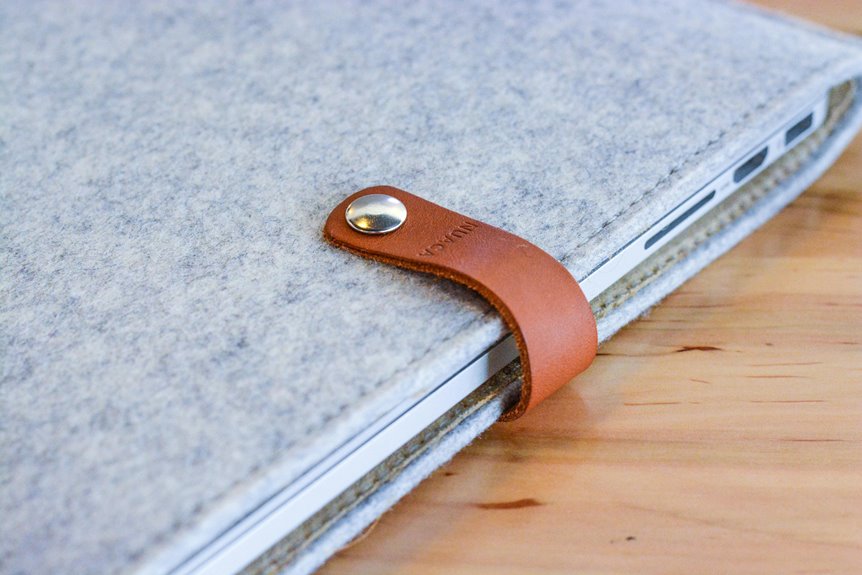
Start by choosing sturdy outer fabrics like canvas, soft fleece for the lining, and foam padding for cushioning. Measure your ukulele’s length, width, and depth, then add an inch for seam allowance and padding. Cut matching pieces of fabric and padding, sew the outer and inner layers together with their right sides facing, and insert the padding inside. Attach a durable zipper or Velcro closure, add handles or straps, and personalize your case to reflect your style. Keep going to discover helpful tips and tricks for a perfect finish.
Key Takeaways
- Measure your ukulele’s length, width, and depth, adding one inch for seam allowance and padding to ensure a snug fit.
- Cut three layers of fabric: sturdy outer fabric, foam or quilt batting padding, and soft inner lining to protect the ukulele finish.
- Sew outer fabric and lining right sides together, leaving an opening, then turn and press for a clean edge before installing the zipper.
- Attach a durable nylon coil zipper using a zipper foot, reinforcing ends with backstitching and fabric tabs for secure closure.
- Enhance functionality by adding handles, exterior pockets, and reinforcing stress points to increase durability and ease of carrying.
Choosing the Right Materials for Your Ukulele Case
Selecting the right materials lays the foundation for a durable and protective ukulele case.
You’ll want a sturdy outer fabric like canvas or denim to shield against scratches and light impacts. For padding, foam or quilt batting works well to cushion your instrument from bumps.
Choose a soft lining fabric such as fleece or flannel to prevent scratches on your ukulele’s finish. Don’t forget durable thread and a strong zipper or Velcro for secure closure.
If you plan to carry your case often, consider adding webbing straps or handles for convenience.
Measuring Your Ukulele for a Perfect Fit
Once you’ve gathered all the materials, the next step is to measure your ukulele carefully to confirm the case fits perfectly.
Start by measuring the total length from the bottom of the body to the top of the headstock. Then, measure the widest part of the body, usually across the lower bout, to confirm enough room inside.
Don’t forget to measure the depth, as this will determine the padding thickness needed. Write down these three key dimensions.
Add about one inch to each measurement to allow for seam allowances and padding thickness. Being precise here prevents a case that’s too tight or loose.
Accurate measurements confirm your ukulele fits snugly, offering the best protection without excess bulk or shifting inside the case.
Cutting Fabric and Padding for Protection
Three layers are essential when cutting fabric and padding to protect your ukulele: the outer fabric, the padding, and the inner lining.
Begin by using your measurements to draft a precise pattern on paper, adding an extra half-inch all around for seams. Lay your outer fabric flat, pin the paper pattern on, and carefully cut around it.
Repeat this with the padding, guaranteeing it matches the fabric’s shape exactly for consistent protection. Finally, cut the inner lining fabric using the same pattern.
Keep in mind the padding should be thick enough to absorb shocks but still flexible for easy handling. Cutting all layers accurately guarantees your ukulele will fit snugly and stay well-protected inside the case.
Avoid rushing this step; precision here makes sewing smoother later on.
Sewing the Outer and Inner Layers Together
With your fabric and padding carefully cut to size, you’re ready to start sewing the outer fabric and inner lining together.
Place the right sides of the outer fabric and lining facing each other, aligning all edges. Pin them securely to prevent shifting.
Use a sewing machine to stitch around the edges, leaving a small opening for turning the case right side out. Make sure to backstitch at the start and end to reinforce the seams.
After stitching, clip the corners and trim any excess fabric to reduce bulk.
Turn the case right side out through the opening, gently pushing out corners for a clean finish.
Finally, press the edges flat with an iron, preparing the case for the next step.
Adding Padding for Extra Cushioning
You’ll want to pick the right padding material to protect your ukulele without adding too much bulk.
Think about layering different types of padding to absorb shocks effectively.
Let’s explore some options that balance cushioning and comfort.
Choosing Padding Materials
Although selecting the right padding might seem straightforward, choosing materials that balance protection and weight is crucial for your ukulele case.
You want something lightweight yet sturdy enough to shield your instrument from bumps and drops. Foam is a popular choice because it offers excellent cushioning without adding bulk.
Look for closed-cell foam, which resists moisture and maintains shape over time. Another option is quilt batting, which is softer and easier to sew but may compress more easily.
If you prefer natural materials, cotton batting provides decent padding but can absorb moisture.
Avoid overly thick or heavy materials that make your case bulky. By picking the right padding, you guarantee your ukulele stays safe while keeping your case manageable to carry.
Layering Techniques for Protection
Since a single layer of padding mightn’t provide enough protection, layering different materials can enhance your ukulele case’s cushioning.
Start with a firm base layer, like dense foam, to absorb shocks and impacts. Next, add a softer layer such as batting or quilted cotton to cushion delicate areas. You can also include a thin layer of fleece for added softness and insulation.
Be sure to align and secure each layer properly before stitching, preventing shifting during use. This combination of materials balances durability and comfort, keeping your ukulele safe from bumps and scratches.
Experiment with thickness to find the sweet spot—too much padding makes the case bulky, too little compromises protection. By layering thoughtfully, you’ll build a case that’s both protective and sleek.
Installing the Zipper or Closure
Now that your padding’s in place, it’s time to pick the right zipper for your ukulele case.
Make sure you attach the zipper evenly to avoid any puckering or misalignment.
Don’t forget to secure the zipper ends firmly so it stays durable through every use.
Choosing Zipper Type
How do you pick the right zipper for your padded ukulele case? You want something durable yet smooth to open and close. A nylon coil zipper is a great choice—it’s lightweight, flexible, and won’t add bulk.
Metal zippers look sturdy but can be heavy and may snag on your fabric. Consider the zipper length carefully; it should allow the case to open wide enough for easy access without excess material.
Also, think about the zipper’s teeth size: larger teeth offer strength but might be less sleek. Don’t forget about the zipper pull—choose one that’s easy to grip, especially if you’ll be using the case often.
Selecting the right zipper guarantees your ukulele stays secure and your case lasts for years.
Attaching Zipper Evenly
Although attaching a zipper evenly can feel tricky, careful pinning and consistent stitching will make the process smoother.
Begin by aligning the zipper tape with the fabric edges of your padded case, right sides together. Use plenty of pins or fabric clips to hold the zipper in place, spacing them evenly to prevent shifting.
When sewing, use a zipper foot on your machine to get close to the zipper teeth without snagging. Sew slowly and steadily, maintaining an even seam allowance. If you notice any puckering or misalignment, stop and adjust the pins before continuing.
Remember to backstitch at the start for durability. Taking your time here guarantees the zipper operates smoothly and looks professional on your padded ukulele case.
Securing Zipper Ends
Once you’ve sewn the zipper evenly onto your padded ukulele case, the next step is securing the zipper ends to keep everything in place. This prevents the zipper slider from coming off and guarantees smooth operation. To do this, stitch back and forth several times at both ends of the zipper. You can also add a small piece of fabric or ribbon to reinforce these areas.
Here’s a quick guide to securing zipper ends:
| Step | Action |
|---|---|
| 1. Backstitch | Sew multiple back-and-forth stitches at zipper ends |
| 2. Reinforce | Attach fabric tabs or ribbons over ends for strength |
| 3. Trim Excess | Cut any leftover zipper tape neatly |
Following these steps will make your case durable and professional-looking.
Final Touches and Customization Options
As you finish the main construction of your padded ukulele case, you’ll want to focus on the final touches that enhance both its appearance and functionality.
Start by adding sturdy handles or adjustable straps for easy carrying. Consider sewing on an exterior pocket to store picks, tuners, or sheet music. You can personalize your case with fabric paint, patches, or embroidery to reflect your style.
Reinforce stress points with extra stitching to improve durability. If you want added protection, sew a waterproof lining inside. Don’t forget to check all seams and zippers to verify they’re secure.
These customizations not only make your case uniquely yours but also increase its usefulness and lifespan, giving your ukulele the protection it deserves.
Frequently Asked Questions
Can I Use Recycled Materials for the Ukulele Case?
You can definitely use recycled materials for your ukulele case. Just make sure they’re durable and provide enough padding to protect your instrument. Repurposing fabrics or old clothes helps the environment and adds a unique touch to your case.
How Do I Clean and Maintain the Padded Ukulele Case?
Imagine spotting a stubborn stain—don’t panic! You’ll gently spot-clean with mild detergent, air-dry the case, and regularly check seams. This way, your padded ukulele case stays fresh and protective, ready for every jam session.
What Tools Are Essential for Sewing the Ukulele Case?
You’ll need fabric scissors, a sewing machine or needle, pins, measuring tape, chalk or fabric marker, thread matching your fabric, and padding material. These tools help you cut, sew, and assemble your padded ukulele case efficiently.
How Long Does It Typically Take to Sew the Case?
You won’t believe it, but sewing that case usually takes just a couple of hours—assuming you don’t get distracted by your ukulele’s charm. Stick with it, and you’ll have a cozy case in no time!
Can This Sewing Method Be Adapted for Other Instrument Cases?
Yes, you can adapt this sewing method for other instrument cases by adjusting the size and padding thickness. Just tailor your measurements and materials to fit your specific instrument’s shape and protection needs.