
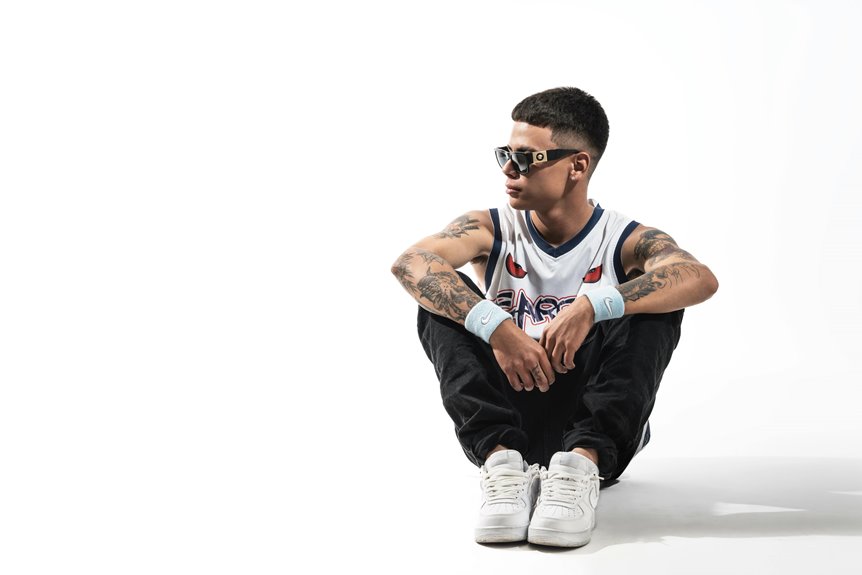
To prevent pilling on your polyester sportswear and jerseys, focus on high-quality fabrics and avoid low-grade materials. Wash garments inside out using a gentle cycle with cold water and mild detergent, steering clear of fabric softeners. Air drying is best, as it reduces friction and damage from heat. Store your gear in a cool, dry space, using breathable bags for protection. Want to know more tips to keep your gear looking fresh and lasting longer?
Key Takeaways
- Choose high-quality polyester fabrics that are tightly woven to resist snagging and pilling.
- Always wash garments inside out using a gentle cycle with cold water and mild detergent.
- Avoid using fabric softeners as they can leave residue that contributes to pilling.
- Air dry your sportswear or use a low-heat setting to minimize fabric wear and damage.
- Store sportswear in breathable bags in a cool, dry place to prevent friction and deterioration.
Understanding Pilling and Its Causes
Pilling occurs when small balls of fabric form on the surface of your polyester sportswear, and understanding its causes can help you prevent it. This issue usually arises from friction, whether it’s from wearing the garment during workouts or washing it alongside rough fabrics.
The more you move, the more your clothes rub against each other, leading to those pesky pills. Additionally, the quality of the polyester can play a role; lower-quality fibers are more prone to pilling.
Abrasion from washing machines and dryers can also contribute to this problem. To maintain your gear, be mindful of how you wash and dry your sportswear, as these practices can greatly impact the lifespan and appearance of your favorite pieces.
Choosing the Right Fabric and Quality
When selecting polyester sportswear, it’s essential to prioritize fabric quality to prevent pilling. Higher-quality fabrics typically resist wear and tear better than cheaper options. Look for tightly woven materials that have a smooth finish; these are less likely to snag and pill.
| Fabric Type | Pilling Resistance |
|---|---|
| High-Quality Polyester | Excellent |
| Blended Fabrics | Moderate |
| Low-Quality Polyester | Poor |
Additionally, consider weight and thickness. Heavier fabrics often stand up to abrasion better and reduce the chances of pilling. Investing in quality sportswear will not only enhance your performance but also keep your gear looking fresh longer, giving you more value for your money.
Proper Washing Techniques
To keep your polyester sportswear looking its best, using the right washing techniques is essential.
Start by turning your garments inside out to protect the fabric’s surface. This simple step can greatly reduce friction during the wash cycle.
- Use a gentle cycle with cold water to minimize wear and tear.
- Opt for a mild detergent specifically designed for synthetic fabrics to prevent residue buildup.
- Avoid fabric softeners, as they can create a film on the fibers that leads to pilling.
Drying and Storing Your Sportswear
While you may be enthusiastic to toss your polyester sportswear in the dryer, it’s crucial to choose the right drying and storage methods to prevent damage. Instead of using a high heat setting, opt for air drying or a low-heat cycle to protect the fabric.
Hang your jerseys or lay them flat on a clean surface to maintain their shape.
When storing your sportswear, avoid cramped spaces to prevent creasing and friction. Use breathable garment bags or bins to keep dust at bay while allowing air circulation.
Make sure your storage area is cool and dry, avoiding direct sunlight. By following these steps, you can keep your polyester sportswear looking fresh and free from pilling.
Maintenance Tips to Extend Lifespan
Maintaining your polyester sportswear effectively can greatly extend its lifespan.
By incorporating a few simple practices into your routine, you can keep your gear looking fresh and performing well.
Here are some maintenance tips to keep in mind:
- Wash in cold water: This helps prevent shrinkage and color fading while reducing pilling.
- Air dry whenever possible: Avoid using the dryer, as the heat can damage the fabric and cause more pilling.
- Store properly: Keep your sportswear in a cool, dry place, away from direct sunlight to prevent deterioration.
Frequently Asked Questions
Can Pilling Be Removed Once It Occurs?
Yes, you can remove pilling once it occurs. Use a fabric shaver or a lint roller to gently eliminate those pesky pills. Just be careful not to damage the fabric while you’re at it.
Are Certain Colors More Prone to Pilling?
Certain colors aren’t inherently more prone to pilling, but darker shades might show pilling more prominently. You should choose lighter colors if you want to minimize the visibility of pilling on your fabrics.
How Does Pilling Affect Moisture-Wicking Properties?
“You can’t have your cake and eat it too.” Pilling compromises moisture-wicking properties, trapping sweat and reducing breathability. So, when your gear pills, it affects comfort and performance, making workouts less effective.
Is Pilling More Common in Older Polyester Fabrics?
Yes, pilling is often more common in older polyester fabrics. As the material ages, its fibers can weaken, leading to increased friction and wear, which ultimately causes those annoying little pills to form more easily.
Can Pilling Be Prevented by Using Fabric Softeners?
When it comes to pilling, you’re walking a tightrope with fabric softeners. While they can make your fabrics feel softer, they might not effectively prevent pilling. It’s best to explore other options for lasting results.