
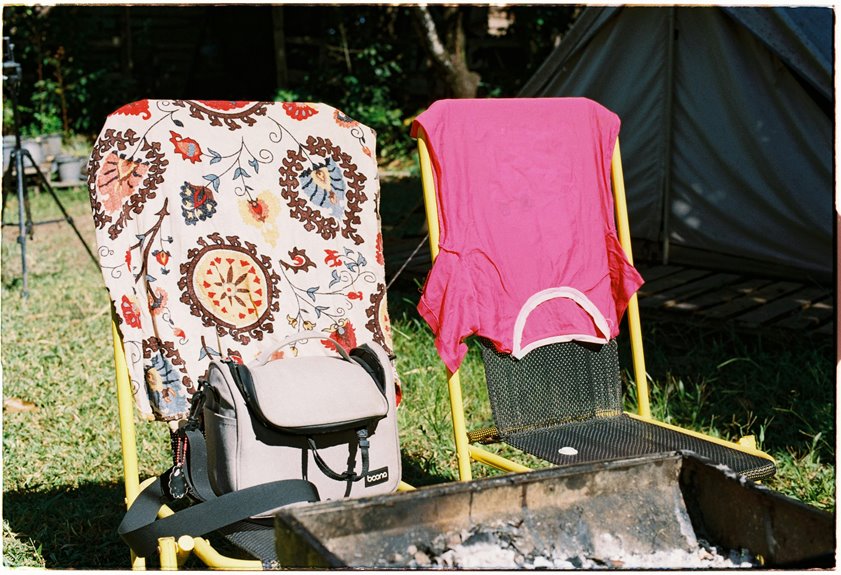
When your poolside lawn chair fabric rips, act fast to clean the area with mild soap and water, then let it dry completely. Use fabric glue or adhesive patches cut slightly larger than the tear for a strong, flexible repair that withstands outdoor conditions. For bigger rips, reinforce with matching fabric and adhesive for durability. Protect your chairs by storing them indoors or covering them to avoid future damage. If you want to keep them looking fresh longer, there are smart repair and care tips you’ll want to know.
Key Takeaways
- Clean and dry the fabric thoroughly before repairing any rips to ensure adhesive or patches bond effectively.
- Use fabric adhesive or matching fabric patches to repair tears, pressing firmly and allowing proper drying time for durability.
- Protect repaired lawn chairs with waterproof, UV-resistant covers to prevent further damage from sun and moisture exposure.
- Store chairs indoors when not in use to reduce fabric wear caused by weather elements.
- Perform regular maintenance by cleaning gently with mild soap and inspecting fabric for early signs of damage.
Assessing the Damage on Your Lawn Chair Fabric
Before you begin any repairs or cleaning, take a close look at your lawn chair fabric to identify any tears, stains, or fading.
Check the entire surface carefully—small rips can quickly worsen if ignored. Pinpoint whether the damage is localized or spread out, as this will influence your repair approach.
Inspect thoroughly—small tears may grow, and damage location guides your repair strategy.
Look for discoloration caused by sun exposure or mildew, which may require special treatment. Feel the fabric’s texture; areas that feel brittle or thin indicate weakening fibers.
Also, examine the stitching to guarantee seams haven’t come undone. Taking these steps helps you understand the fabric’s condition and decide if a simple patch will suffice or if you need more extensive repair.
Knowing the extent of damage guarantees you preserve your lawn chair effectively without unnecessary work.
Gathering Materials for Repair
Before you start fixing your lawn chair, make sure you have all the essential tools like scissors, fabric glue, and a staple gun.
Choose replacement fabric that matches the original in durability and color to keep it looking great.
Clear a well-lit, flat area to work comfortably and avoid losing small parts.
Essential Repair Tools
When you’re ready to repair your lawn chairs, gathering the right tools makes the process smoother and more effective.
You’ll need a staple gun or heavy-duty upholstery staples to secure fabric firmly. Scissors with sharp blades are essential for clean cuts without fraying. A flathead screwdriver or seam ripper helps remove old staples or stitching carefully.
Needle-nose pliers assist in pulling out stubborn staples and handling small parts. Having durable gloves protects your hands during the repair. A measuring tape guarantees accuracy when cutting the fabric.
If your chair has a metal frame, a wire brush can clean rust before repairs. Finally, keep some strong adhesive or fabric glue handy for extra reinforcement where staples alone won’t do.
These tools will get your lawn chairs back in shape efficiently.
Choosing Replacement Fabric
Although selecting the right replacement fabric might seem straightforward, choosing one that balances durability, comfort, and style is key to extending your lawn chair’s life.
Start by picking a heavy-duty outdoor fabric designed to resist UV rays, mold, and mildew. Materials like solution-dyed acrylic or marine-grade vinyl offer excellent weather resistance and longevity.
Next, consider comfort—look for fabrics with a bit of breathability to prevent discomfort during hot days.
Color and pattern matter too; select something that complements your outdoor decor and hides dirt well.
Finally, measure your chair’s frame carefully and buy a bit extra fabric to allow for fitting and secure attachment.
With the right fabric, you’ll not only restore your chair’s function but also enhance its appearance for seasons to come.
Preparing the Work Area
Gathering all the necessary tools and materials is the first step in preparing your work area for lawn chair repair.
You’ll need replacement fabric, scissors, a staple gun or upholstery tacks, a screwdriver, and pliers.
Lay down a tarp or old sheet to keep the area clean and protect the chair parts.
Make sure you have good lighting and a flat surface to work on, like a sturdy table or the floor.
Organize your tools within easy reach to avoid interruptions during the repair.
If you plan to sew the fabric, grab a needle and heavy-duty thread as well.
Having everything ready before you begin will make the process smoother and help you fix your lawn chair efficiently without unnecessary delays.
Cleaning the Fabric Before Repair
Before you start fixing your lawn chair, make sure to remove any loose debris from the fabric.
Use a mild detergent to gently clean the surface, then rinse it thoroughly to avoid residue.
Let the fabric dry completely before moving on to repairs.
Remove Loose Debris
Start by brushing off any loose dirt, leaves, or debris from your lawn chair’s fabric.
Use a soft-bristled brush or a handheld vacuum to gently remove particles without damaging the material.
Pay special attention to seams and folds where debris tends to accumulate.
Avoid using excessive force, as this could worsen the rip or fray the edges.
If you spot stubborn dirt, lightly tap the fabric to dislodge it.
Removing loose debris guarantees the surface is clean and ready for repair, preventing dirt from getting trapped under patches or adhesives.
Taking this step also helps maintain the fabric’s appearance and prevents further wear.
Make certain the chair is dry before you proceed to the next cleaning step or repair process.
Use Mild Detergent
Although it might seem simple, cleaning your lawn chair’s fabric with a mild detergent is essential to guarantee repairs hold properly.
Before you apply any patch or adhesive, you need a clean surface free of dirt, oils, and grime that can weaken the bond. Choose a gentle detergent designed for delicate fabrics or outdoor materials.
Mix it with lukewarm water and use a soft cloth or sponge to gently scrub the ripped area and surrounding fabric. Avoid harsh chemicals or bleach, as they can damage the fabric further.
Taking this step ensures that the repair materials adhere well and last longer. Once you’ve cleaned the fabric thoroughly, you can confidently move forward with the next steps to restore your chair.
Rinse Thoroughly Dry
Once you’ve gently cleaned your lawn chair’s fabric with mild detergent, it’s important to rinse off all soap residues completely.
Soap left behind can weaken fibers and cause stains or discoloration. Use clean, cool water to thoroughly rinse the fabric, either by gently running water over it or using a damp cloth to wipe away the detergent.
Make certain you remove every trace of soap for the best results. After rinsing, allow the fabric to dry fully before attempting any repairs.
Lay the chair in a well-ventilated, shaded area to air dry—direct sunlight can fade colors and weaken fabric fibers. Avoid using a dryer or heat source, as this can cause shrinkage or damage.
Proper rinsing and drying guarantee your repair materials will adhere well and last longer.
Choosing the Right Repair Method
How do you decide which repair method suits your lawn chair best?
Start by evaluating the damage type and size. Next, consider your skill level and available tools. Then, think about the chair’s material and weather exposure. Finally, factor in how long you want the repair to last.
- Small tears: Use fabric patches or adhesive tape for quick fixes.
- Larger rips: Sewing or replacing the fabric might be necessary.
- Frame damage: Welding or professional repair could be required.
- Temporary fixes: Duct tape can hold things together but won’t last long.
Step-by-Step Guide to Patch Small Tears
When you notice a small tear in your lawn chair fabric, acting quickly can prevent it from worsening.
First, clean the area around the tear with mild soap and water, then let it dry completely.
Begin by gently cleaning the torn area with mild soap and water, then allow it to dry fully.
Next, trim any loose threads to create a smooth edge.
Cut a fabric patch slightly larger than the tear from a matching material.
Apply fabric glue to the patch’s back, then carefully press it over the tear, ensuring it covers the damaged area fully.
Place a heavy object on top to keep the patch in place while the glue dries, usually for several hours.
Once dry, check the repair’s strength before using the chair again.
This simple patch extends your chair’s life without costly replacements.
Reinforcing Larger Rips With Fabric Adhesive
Small tears can often be fixed with a simple patch, but larger rips in your lawn chair fabric require a stronger approach.
Fabric adhesive offers a durable solution to reinforce these bigger damages and extend your chair’s life. Here’s how to do it:
- Clean the fabric around the rip thoroughly and let it dry.
- Cut a piece of matching fabric slightly larger than the tear.
- Apply fabric adhesive evenly on the patch and around the rip edges.
- Press the patch firmly onto the rip, smoothing out any bubbles, then let it cure as per the adhesive instructions.
Using fabric adhesive creates a flexible, strong bond that holds up well under outdoor conditions, making your chair ready for many more relaxing afternoons.
Preventative Tips to Extend Fabric Life
Although fabric repairs can restore your lawn chair, taking proactive steps to protect the material will save you time and effort.
First, always store your chairs indoors or cover them with waterproof, UV-resistant covers when not in use. This limits exposure to sun, rain, and dirt, which weaken fabric fibers.
Store chairs indoors or use waterproof, UV-resistant covers to protect fabric from sun, rain, and dirt damage.
Next, clean your lawn chairs regularly using mild soap and water to prevent grime buildup that can cause wear. Avoid harsh chemicals or abrasive tools that could damage the fabric.
When setting up your chairs, place them on smooth surfaces to prevent snagging or tearing.
Finally, rotate your chairs’ position occasionally to guarantee even wear.
Frequently Asked Questions
Can I Use My Lawn Chair Immediately After Repairing the Fabric?
You can use your lawn chair right after fixing the fabric, but make sure the repair is fully dry and secure. Otherwise, it might not hold up well or feel comfortable during use.
How Do Weather Conditions Affect Repaired Lawn Chair Fabric Durability?
You know what they say, “forewarned is forearmed.” Harsh sun, rain, and humidity can weaken repaired fabric, so you’ll want to protect your chair with covers and store it indoors to boost its durability over time.
Are There Eco-Friendly Fabric Adhesives Suitable for Lawn Chair Repairs?
You can use eco-friendly fabric adhesives like water-based or natural rubber glues for lawn chair repairs. They’re non-toxic, biodegradable, and hold up well outdoors, helping you fix fabric while staying environmentally conscious.
Can I Replace the Entire Fabric on My Lawn Chair?
Yes, you can replace the entire fabric on your lawn chair. Just remove the old material, measure carefully, and get durable outdoor fabric. Use strong staples or screws to secure it tightly for lasting comfort and support.
How Often Should I Inspect Lawn Chair Fabric for Potential Damage?
You might think inspecting lawn chair fabric yearly is enough, but it’s best to check monthly. Regular inspections help you spot small tears early, preventing bigger damage and extending your chair’s life markedly.