
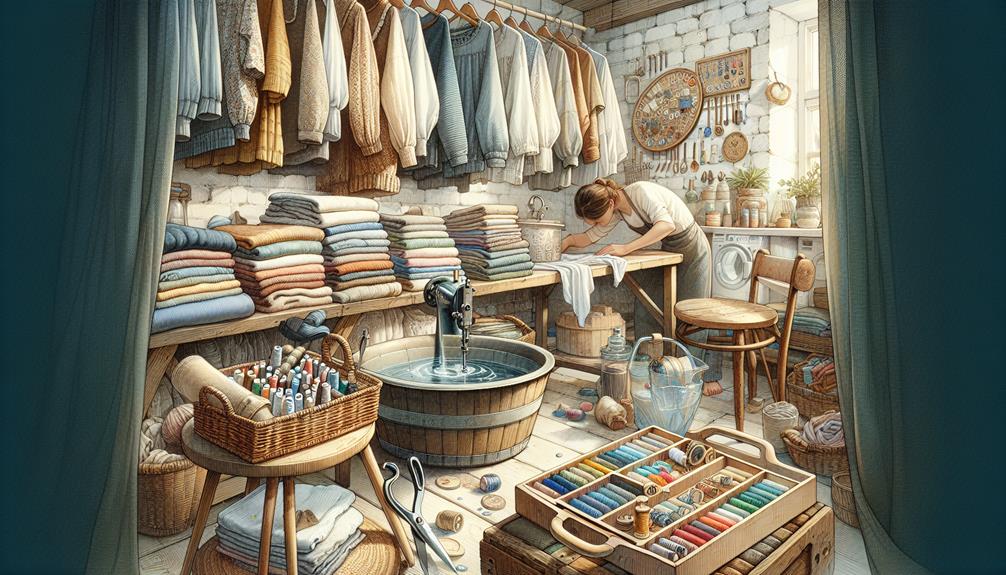
When you want your fabrics to last longer, it's essential to understand that proper care goes beyond just throwing them in the wash. You should start by familiarizing yourself with the specific requirements of different fabric types. This includes selecting the appropriate detergent and being mindful of water temperature. Are you curious about the best way to wash delicate fabrics or how to air dry without causing harm? By following expert guidance on washing practices, drying techniques, and storage solutions, you can notably extend the life of your garments. Ready to discover more tips to keep your fabrics in excellent condition?
Key Takeaways
- Wash clothes in cold water and use gentle detergents to minimize fabric wear.
- Air dry whenever possible to avoid high heat damage from dryers.
- Store fabrics in cool, dry places away from direct sunlight.
- Use mesh bags for delicate items and opt for gentle wash cycles.
- Regularly inspect and promptly address minor fabric issues to prevent further damage.
Understand Fabric Types
To make your fabrics last longer, understanding the various types of materials and their unique care requirements is essential. Mastering fabric care begins with material knowledge. Each fabric has its own characteristics, and knowing these can help you tailor your care routine effectively.
For instance, cotton is breathable and durable but can shrink if washed in hot water. To maintain its quality, wash it in cold water and avoid high heat drying.
Wool, on the other hand, is a natural insulator but can easily stretch or shrink if not handled carefully. Hand washing with a mild detergent and laying it flat to dry will preserve its shape.
Synthetic fabrics like polyester and nylon are resilient but can suffer from static cling and pilling. Washing them inside out and using a fabric softener can mitigate these issues.
Delicate fabrics such as silk require even more attention. They thrive on gentle hand washing and air drying, avoiding direct sunlight to prevent fading.
Best Washing Practices
Proper washing keeps your fabrics in top condition and extends their lifespan. Start by turning your clothes inside out before washing. This simple step minimizes friction on the outer surface, preserving colors and fabric integrity. Use cold water whenever you can; it's gentler on fibers and helps maintain their structure.
Don't overload your washing machine. Cramming too many items in one load increases wear and tear. Instead, follow the manufacturer's load recommendations for best fabric care. When it comes to setting the cycle, choose a gentle option for delicate fabrics and a normal cycle for sturdier materials.
One of the best laundry hacks is to use mesh bags for smaller, delicate items like lingerie or hosiery. These bags prevent snagging and tangling, ensuring fabric preservation. Additionally, avoid using fabric softeners on towels and athletic wear as they can reduce absorbency and breathability.
Drying your clothes properly is just as important. Opt for air drying when possible, as tumble drying can cause shrinkage and weaken fibers over time. If you must use a dryer, select the lowest heat setting.
Choosing the Right Detergent
When picking a detergent, you should opt for gentle formulas that won't damage your fabrics.
Avoid harsh chemicals that can wear down fibers over time.
Consider eco-friendly options that are both kind to your clothes and the environment.
Gentle Detergent Benefits
Choosing a mild detergent can greatly prolong the lifespan of your fabrics by minimizing wear and tear. When you opt for a gentle detergent, you're ensuring that the fibers in your garments aren't subjected to the harsh chemicals found in stronger cleaning agents. This choice not only preserves the integrity of the fabric but also maintains its color and texture.
Using a mild detergent has several benefits:
- Enhanced Fabric Softness: Gentle detergents often work well in conjunction with fabric softeners, providing a delicate touch to your clothes.
- Ideal for Hand Washing: These detergents are perfect for hand washing delicate items, ensuring a thorough yet gentle cleanse.
- Reduced Fading: By avoiding harsh ingredients, mild detergents help keep your fabrics looking vibrant and new for longer.
- Hypoallergenic: Many gentle detergents are formulated to be hypoallergenic, making them suitable for sensitive skin.
Mastering the art of choosing the right detergent is essential for anyone looking to extend the life of their fabrics. By integrating mild detergents into your laundry routine, you're taking a significant step towards maintaining the quality and longevity of your cherished garments.
Avoid Harsh Chemicals
Avoiding harsh chemicals in your detergent is crucial for preserving the quality and longevity of your fabrics. Chemicals like bleach and optical brighteners might promise a cleaner wash but can weaken fibers, leading to premature wear and tear.
Instead, opt for mild detergents that are gentle on your clothes. Look for labels that specifically mention 'gentle' or 'no harsh chemicals,' as these formulations are designed to maintain fabric strength and integrity.
Fabric softeners can be a double-edged sword. While they make clothes feel softer, some contain chemicals that can degrade certain fabrics over time. To guarantee fabric longevity, consider using DIY fabric treatments like vinegar or baking soda.
These natural alternatives can soften fabrics without the harmful side effects, contributing to better fabric preservation.
When selecting your detergent, prioritize those with plant-based ingredients and steer clear of those with synthetic fragrances and dyes. This approach not only safeguards your fabrics but also supports a healthier laundry routine overall.
Eco-Friendly Options
Embracing environmentally friendly detergent options is a smart move that benefits both your fabrics and the environment. By choosing green cleaning products, you're not just preserving the life of your clothes but also contributing to sustainable fashion. Eco-conscious detergents are formulated without harsh chemicals, making them gentler on fabrics and reducing the risk of wear and tear over time.
When selecting an eco-friendly detergent, consider the following:
- Ingredients: Look for natural, biodegradable components that avoid synthetic fragrances and dyes.
- Certifications: Opt for products with certifications like EPA's Safer Choice or EWG Verified, which guarantee they meet stringent environmental standards.
- Packaging: Choose detergents that come in recyclable or compostable packaging to minimize waste.
- Concentration: Highly concentrated detergents mean you use less product per wash, reducing the overall environmental impact.
Optimal Water Temperature
Finding the right water temperature can significantly extend the life of your fabrics. To achieve fabric longevity, it's pivotal to understand how different water temperatures affect the materials.
Cold water is your best friend for delicate fabrics and colors that might bleed. It minimizes wear and tear while still providing adequate cleaning. However, for heavily soiled items or whites, warm water can boost washing efficiency without causing significant damage.
Know that excessively hot water can degrade fibers, leading to fading and shrinkage. Always check the care labels on your clothes. They provide specific temperature guidelines tailored to each fabric type. In general, synthetics like polyester and nylon fare well in cold or warm water, while cotton and linen can handle a bit more heat.
Balancing washing efficiency with water heat is an art. You don't need to crank up the temperature to achieve cleanliness. Modern detergents are designed to work effectively even in cooler water. By adjusting the water temperature based on the fabric type and soil level, you're actively contributing to the longevity of your wardrobe.
Make informed choices, and your fabrics will thank you by lasting longer.
Proper Drying Techniques
When it comes to drying your fabrics, avoid using high heat settings as they can cause damage and shrinkage.
Instead, opt for air drying whenever possible to preserve the integrity of the material.
Avoid High Heat
High heat can damage fabric fibers, so it's important to use lower temperature settings when drying your clothes. By being mindful of the heat levels in your dryer, you can extend the lifespan of your garments.
Here are some key strategies to help you master the art of proper drying techniques:
- Use the lowest temperature setting: When possible, always choose the lowest temperature setting on your dryer. This reduces the risk of heat damage and helps maintain the integrity of the fabric.
- Check care labels: Always read the care labels on your clothing. These labels often provide specific drying instructions that can guide you in choosing the appropriate settings.
- Avoid overloading the dryer: Overloading can lead to uneven drying and excessive friction, which can weaken fabric fibers. Keep your loads moderate to ensure even, gentle drying.
- Remove clothes promptly: As soon as the drying cycle finishes, remove your clothes to prevent wrinkles and reduce the need for high-temperature ironing.
Incorporating these techniques into your laundry routine will help keep your fabrics in top condition. Remember, whenever possible, consider air drying as a gentle alternative to machine drying.
Use Air Drying
Air drying your clothes is a gentle and effective way to preserve fabric quality and extend garment lifespan. By avoiding the harsh heat of dryers, you can minimize wear and tear on fibers. Opt for outdoor line drying whenever possible, as it not only saves energy but also adds a fresh, natural scent to your garments.
If outdoor line drying isn't an option, an indoor drying rack is a great alternative. Position it in a well-ventilated area to promote proper moisture control. Overcrowding the rack can lead to prolonged drying times and potential mildew growth, so give each piece ample space.
Here's a quick comparison to help you decide between outdoor line drying and indoor drying racks:
| Aspect | Outdoor Line Drying | Indoor Drying Rack |
|---|---|---|
| Energy Efficiency | High | Moderate |
| Fabric Care | Excellent | Good |
| Space Requirements | Needs outdoor space | Needs indoor space |
| Drying Speed | Depends on weather | Consistent |
| All-Weather Suitability | Limited to good weather | Suitable for all weather |
Incorporate these air drying techniques into your fabric care routine to achieve the best possible longevity for your clothes. Proper moisture control and strategic drying methods will ensure your garments stay in excellent condition for years to come.
Effective Stain Removal
Getting stains out quickly and correctly can make a significant difference in preserving your fabrics. Immediate action is essential, whether you opt for DIY stain removers or professional services. Understanding the balance between natural vs. chemical cleaners and mastering spot treatment techniques can elevate your fabric care routine.
When dealing with stains, consider these strategies:
- Blot, Don't Rub: Rubbing can push the stain deeper into the fibers. Instead, blot the stain gently with a clean cloth.
- Test Cleaners: Always test any cleaner, whether natural like vinegar and baking soda, or chemical, on a hidden area of the fabric first to avoid damage.
- Act Fast: The quicker you address a stain, the easier it will be to remove. Fresh stains are less likely to set and become permanent.
- Use the Right Tool: Different stains require different treatments. For example, grease stains benefit from a dish soap spot treatment technique, while ink stains might need rubbing alcohol.
Ironing and Steaming Tips
Proper ironing and steaming techniques can greatly extend the life of your fabrics. For effective fabric care, start by setting your iron to the appropriate temperature based on the fabric type. Natural fibers like cotton and linen can withstand higher heat, while synthetics such as polyester require a lower setting to prevent damage.
Always use a pressing cloth between the iron and your garment to avoid direct heat contact, which can weaken fibers over time. For wrinkle removal, gently glide the iron over the fabric without pressing too hard. This helps in maintaining the fabric's integrity and appearance.
When it comes to steaming, hold the steamer a few inches away from the fabric. The steam will relax the fibers, releasing wrinkles without the potential for scorching. This method is particularly beneficial for delicate fabrics like silk and wool, which can be easily damaged by direct heat.
Additionally, make sure your ironing board is clean and free from any residue that could transfer to your clothes.
With these expert tips, you'll keep your garments looking pristine and extend their lifespan, ensuring your wardrobe remains in excellent condition for years to come.
Smart Storage Solutions
When storing your fabrics, keep them out of direct sunlight to prevent fading.
Use cedar blocks to repel moths and maintain freshness.
Additionally, practice proper folding techniques to avoid creases and extend the life of your fabrics.
Avoid Direct Sunlight
Direct sunlight can cause fabrics to fade, so store them in shaded areas to maintain their vibrant colors. Proper fabric protection from sunlight exposure is crucial to extend the lifespan of your textiles. By keeping your fabrics out of direct sunlight, you'll prevent the degradation that harsh UV rays can cause.
Here are some effective strategies to minimize sunlight exposure and keep your fabrics looking new:
- Use window treatments: Install blinds, curtains, or UV-blocking window films to reduce the amount of sunlight that enters your storage spaces.
- Opt for dark and cool storage areas: Choose closets, drawers, or storage bins that are located away from windows or other sources of direct sunlight.
- Rotate items regularly: If some fabrics must be stored in areas with occasional sunlight, periodically rotate them to guarantee even exposure and prevent uneven fading.
- Cover stored fabrics: Use breathable covers like cotton sheets or fabric bags to shield your textiles from direct light while still allowing air circulation.
Use Cedar Blocks
To further safeguard your fabrics and keep them fresh, incorporating cedar blocks into your storage solutions can be highly effective. These natural alternatives not only add a pleasant, woody aroma to your storage spaces but also serve as a powerful tool for moth prevention. Moths are notorious for causing significant damage to fabrics, especially those made from natural fibers like wool, silk, and cotton. By using cedar blocks, you can deter these pesky insects without resorting to harsh chemicals.
Place cedar blocks in your closets, drawers, and storage bins where your fabrics are kept. Cedar contains natural oils that repel moths and other insects, ensuring your clothes and linens remain unblemished and in excellent condition. Additionally, cedar blocks are a sustainable choice, aligning with eco-friendly practices that many fabric enthusiasts prioritize.
For utmost effectiveness, make sure to sand the cedar blocks lightly every few months to rejuvenate their scent and insect-repelling properties. By integrating cedar blocks into your storage routine, you provide an extra layer of protection for your fabrics, extending their lifespan and maintaining their quality.
Embrace this natural alternative and you'll enjoy the benefits of well-preserved, moth-free fabrics.
Proper Folding Techniques
Folding your fabrics properly is essential for maintaining their quality and maximizing your storage space. Mastering effective folding techniques can transform your storage organization, ensuring fabric protection and extending the lifespan of your cherished textiles.
By focusing on wrinkle prevention and space saving techniques, you'll keep your fabrics looking pristine while optimizing your storage areas.
Here are some tips to achieve impeccable folding:
- Use uniform folding: Consistency is key. Fold each piece to the same dimensions, creating a neat and organized appearance that's easy to maintain.
- Incorporate rolling methods: For certain fabrics like knits or delicate items, rolling instead of folding can prevent creases and save space.
- Layer with acid-free tissue paper: This extra step offers fabric protection, particularly for delicate or heirloom pieces, safeguarding against wrinkles and potential damage.
- Utilize vertical stacking: Store folded fabrics vertically in drawers or bins. This not only saves space but also makes it easier to see and access each item without disturbing the others.
Handling Delicate Fabrics
When you handle delicate fabrics, always use gentle care to prevent damage and extend their lifespan. Mastering fabric care for these sensitive materials can make a significant difference. Start by understanding the specific requirements of each fabric. For instance, silk and lace demand different handling techniques compared to wool or cashmere.
To enhance your fabric care skills, follow these guidelines:
- Washing: Hand wash delicate fabrics in cold water using a mild detergent. Avoid wringing out the water to prevent stretching or tearing.
- Drying: Lay the fabric flat on a clean, dry towel and gently roll it to remove excess water. Then, reshape the item and let it air dry.
- Storage: Store delicate fabrics in a cool, dry place, away from direct sunlight, and never hang them as this can cause distortion.
Here's a quick-reference table to summarize these tips:
| Task | Do | Don't |
|---|---|---|
| Washing | Hand wash with mild detergent | Use a washing machine |
| Drying | Lay flat on a towel | Wring out aggressively |
| Storage | Keep in a cool, dry place | Hang or expose to sunlight |
Repair and Maintenance
Maintaining your fabrics through timely repairs can greatly extend their lifespan and keep them looking their best. By adopting effective patching techniques and establishing a consistent maintenance schedule, you'll guarantee your fabrics remain in top condition.
Addressing small issues before they escalate is essential. For instance, a minor tear can be easily fixed with basic sewing skills, preventing further damage.
Consider integrating these practices into your fabric care routine:
- Regular Inspections: Periodically check your fabrics for signs of wear and tear, such as fraying edges or loose threads.
- Immediate Repairs: When you spot a minor issue, address it promptly. A stitch in time really does save nine.
- Professional Services: For more intricate fabric restoration, seek out professional services. Experts can handle detailed repairs and restore your fabrics to their former glory.
- Patching Techniques: Learn and apply various patching methods tailored to different fabric types. This skill is invaluable for extending the life of your favorite pieces.
Creating a maintenance schedule tailored to your fabric collection ensures that no item goes overlooked. By dedicating time to routine care and repairs, you'll master the art of fabric longevity, keeping your textiles vibrant and durable for years to come.
Frequently Asked Questions
Can Sunlight Damage My Fabrics Over Time?
Yes, sunlight can damage your fabrics over time. Guarantee proper storage by keeping them out of direct sunlight and using UV protection measures like window films or curtains to maintain their longevity and appearance.
How Often Should I Rotate Seasonal Clothing?
You should rotate your seasonal clothing every six months. This practice enhances textile preservation and wardrobe organization. Proper clothing storage and fabric care methods will guarantee longevity, keeping your garments looking fresh and well-maintained.
What Are Some Eco-Friendly Ways to Freshen Fabrics?
Coincidentally, you probably already have everything you need. Use natural deodorizing methods like baking soda or DIY fabric refreshers with essential oils and water. Master these techniques to keep your fabrics smelling fresh and eco-friendly.
Are Fabric Softeners Harmful to Certain Materials?
Yes, fabric softeners have their pros and cons. They can damage certain materials like microfiber and sportswear. Instead, consider alternatives to fabric softeners, such as vinegar or wool dryer balls, for a gentler approach.
How Can I Prevent Color Fading on Outdoor Fabrics?
To prevent color fading on outdoor fabrics, prioritize outdoor fabric care by using UV protection sprays. Consistently follow color retention tips, like avoiding harsh detergents and ensuring proper fabric maintenance, to keep your fabrics vibrant.