
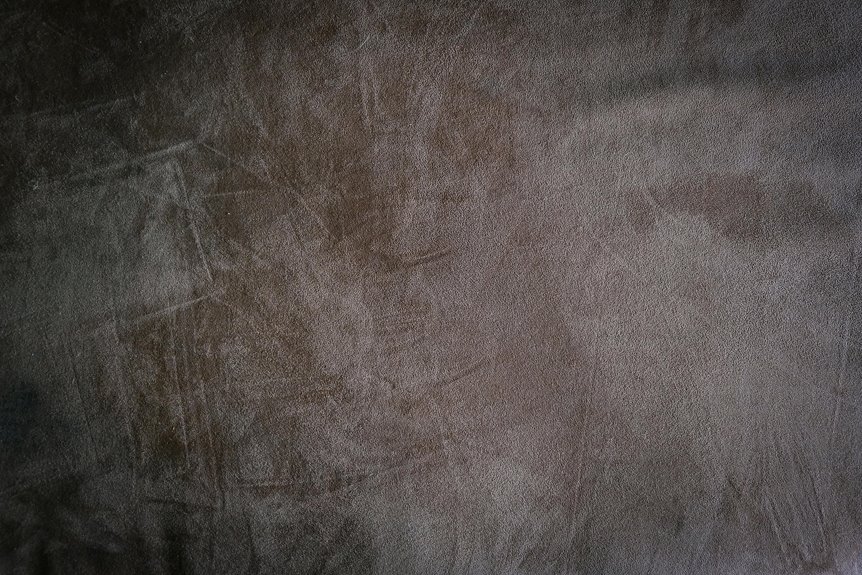
To draw suede fabric’s soft, matte texture, start by choosing pencils or soft charcoal for subtle shading. Use light, directional strokes and build layers gradually to mimic suede’s fuzzy nap. Blend gently to avoid harsh lines and add slight color shifts for depth and realism. Observe real suede for its uneven texture and gentle highlights in folds. Focus on layering and soft shading to capture its velvety feel. Keep exploring these techniques for richer, more lifelike illustrations.
Key Takeaways
- Use soft, matte pencils or charcoal with gentle, even shading to replicate suede’s velvety, napped surface.
- Layer subtle color variations and muted earthy tones to mimic natural suede depth and light shifts.
- Apply consistent, directional strokes and soft blending for a tactile, fuzzy appearance without harsh lines.
- Focus shading on folds and curves to capture natural shadows and highlights that define suede texture.
- Gradually build layers with soft edges and adjust opacity for smooth transitions and realistic fabric dimension.
Understanding the Characteristics of Suede Texture
Suede’s defining feature is its soft, napped surface, which gives it a distinct matte finish and subtle texture. When you draw suede, you’ll want to capture this softness without making it look shiny or smooth like leather.
Notice how suede has a slightly fuzzy appearance caused by tiny fibers standing up. These fibers create gentle shadows and highlights that shift with light and angle. The texture isn’t uniform; some areas appear denser or more worn, so varying your strokes helps mimic that natural look.
You’ll also observe that suede doesn’t reflect light sharply; instead, it diffuses it softly. Keeping these traits in mind lets you represent suede’s unique, tactile feel accurately in your illustration.
Choosing the Right Drawing Materials for Suede
When you want to capture suede’s soft, matte texture, choosing the right drawing materials is essential. Opt for pencils with a range of hardness, like 2H to 4B, so you can create subtle shading and gentle gradients.
Soft charcoal works well for achieving the fabric’s velvety look, but be sure to blend carefully to avoid harsh lines. Colored pencils with a matte finish help you replicate suede’s muted tones without unwanted shine.
Soft charcoal creates suede’s velvety texture; blend gently. Matte colored pencils capture its muted, shine-free tones perfectly.
Additionally, use a kneaded eraser to lift graphite or charcoal gently, enhancing highlights and texture. Finally, smooth paper with a slight tooth gives you enough grip to build layers, but not so much that it disrupts the softness you’re trying to convey.
Selecting these tools will make your suede illustration more realistic and tactile.
Observing Real Suede Samples for Reference
Take a close look at real suede samples to understand their soft, napped texture and subtle color shifts.
Notice how lighting creates gentle highlights and shadows that define the fabric’s depth.
Paying attention to these details will help you capture suede’s unique feel in your drawing.
Texture Characteristics Overview
Texture plays a key role in capturing the unique look of suede fabric. When you observe real suede samples, you’ll notice subtle variations that define its tactile appeal. Suede’s surface shows a soft, napped finish with tiny fibers creating a smooth yet slightly fuzzy appearance. To help you grasp these details, here’s a quick overview:
| Characteristic | Description | Effect on Drawing |
|---|---|---|
| Soft Nap | Short, dense fibers | Use fine, short strokes |
| Matte Finish | Minimal sheen | Avoid harsh highlights |
| Slight Variations | Color shifts in texture | Blend with gentle shading |
Focus on these traits, and your illustrations will convincingly mimic suede’s signature feel without losing realism.
Lighting and Shadow Effects
Although suede’s surface appears uniformly soft, its interaction with light reveals subtle shifts that bring the fabric to life. When you study real suede samples, notice how light grazes the tiny fibers, creating gentle highlights and deeper shadows in areas where the nap changes direction.
These variations aren’t harsh but soft and gradual, so replicate them with delicate shading rather than bold lines. Pay attention to where the fabric folds or curves—shadows deepen, emphasizing texture and depth. Use a range of light grays and muted tones to capture the interplay between light and shadow accurately.
Observing these nuances will help your drawing feel tactile and realistic, making the suede’s plush, velvety quality stand out without overwhelming the piece.
Techniques for Creating a Soft, Matte Finish
Mastering just a few key techniques can help you achieve the soft, matte finish characteristic of suede fabric.
Start by using gentle, even shading to avoid harsh lines that would create unwanted shine. Apply light pressure with your pencil or brush to build subtle layers of tone, focusing on smooth shifts rather than sharp contrasts.
Opt for muted, earthy colors to replicate suede’s natural look—avoid glossy or overly bright pigments. Blend softly with a blending stump or cotton swab to erase any harsh edges, maintaining the fabric’s velvety appearance.
Finally, keep your strokes consistent and directional, following the fabric’s grain to enhance the tactile softness. These steps will give your suede illustrations a realistic, understated matte finish without gloss or shine.
Using Cross-Hatching and Stippling to Simulate Nap
Building on the soft, matte finish you’ve created, you can add depth and realism by using cross-hatching and stippling techniques to mimic suede’s nap.
Start by lightly layering fine, short strokes in varied directions to suggest the tiny fibers that catch light differently. Cross-hatching helps create subtle tonal shifts, while stippling adds a delicate, granular texture.
Use these methods sparingly; too much detail can overwhelm the softness you want to convey. Focus on areas where the nap naturally changes direction or gathers, such as folds or edges.
By combining these techniques thoughtfully, you’ll capture the tactile quality of suede, making your illustration more convincing without losing its gentle, velvety appearance.
Keep your hand relaxed for a natural effect.
Adding Depth With Layered Shading
When you add layered shading, you give suede fabric a richer sense of dimension and form. Start by applying a light base layer to define the fabric’s general shape.
Then, gradually build up darker tones in areas where the suede naturally folds or where shadows fall. Use soft, controlled strokes to mimic suede’s subtle nap, ensuring shifts between light and dark are smooth.
Gradually deepen shadows with soft strokes to capture suede’s gentle folds and smooth tonal transitions.
Avoid harsh lines, as suede’s texture is gentle and velvety. Layering allows you to convey the fabric’s softness and depth effectively.
Remember to observe how light interacts with suede — the shading should enhance the tactile quality without overpowering it. This technique brings your illustration closer to a realistic suede appearance.
Incorporating Color Variations in Suede Fabric
Although suede fabric typically appears uniform, incorporating subtle color variations can make your drawing more lifelike and dynamic.
Start by observing real suede under different lighting—notice how the nap catches light and shifts tone slightly. Use a range of closely related hues, like soft browns, warm taupes, or muted grays, to replicate this effect.
Apply these colors gently with light strokes, blending them to avoid harsh lines. Focus on areas where the fabric folds or bends, as these spots often display richer or darker tones.
Adding these nuanced color shifts will enhance the texture’s realism, giving your illustration depth and vibrancy without overwhelming the soft, matte quality unique to suede.
Keep your approach subtle to maintain the fabric’s characteristic smoothness.
Tips for Digital Illustration of Suede Texture
Digital illustration offers unique tools to capture the subtlety of suede texture with precision and ease.
To make your suede fabric drawings realistic, start by selecting soft, textured brushes that mimic suede’s nap. Layer your colors gently, blending warm earth tones with cooler shadows for depth. Use opacity variations to simulate the fabric’s velvety surface without harsh edges. Finally, add subtle noise or grain effects to replicate suede’s fine texture.
- Choose brushes with soft edges and low hardness.
- Build layers gradually, adjusting opacity for smooth blending.
- Incorporate slight color shifts to imitate natural fabric variation.
- Apply a fine noise filter to enhance tactile realism.
With these tips, you’ll create digital suede illustrations that feel tactile and authentic.
Frequently Asked Questions
Can Suede Texture Be Effectively Illustrated With Watercolor Paints?
Of course, you’ll capture suede’s softness perfectly with watercolor—because nothing says velvety like unpredictable water runs. But if you embrace those quirks, you’ll create a unique, charming texture that truly stands out in your artwork.
How Do Lighting Conditions Affect the Appearance of Suede in Drawings?
You’ll notice lighting changes suede’s look—soft, diffused light highlights its matte, velvety surface, while harsh light reveals subtle shadows and texture. Adjust your shading to capture these variations, making the fabric feel realistic and tactile.
What Is the Best Way to Erase Mistakes Without Damaging Suede Texture Effects?
Did you know 85% of artists say erasing is the trickiest part? To avoid damaging suede texture effects, you’ll want to use a soft kneaded eraser gently and lift mistakes without harsh rubbing.
Are There Specific Brands of Pencils Recommended for Suede Texture Illustration?
You’ll want to use soft graphite pencils like Staedtler or Faber-Castell for smooth shading. Prismacolor colored pencils also work great for layering and creating the soft, velvety look you’re aiming for.
How Long Does It Typically Take to Master Drawing Suede Texture?
You’ll spend about 20 hours practicing before mastering suede texture drawing. Consistent effort sharpens your observation and technique, so don’t rush. With patience, you’ll capture that soft, velvety feel in no time. Keep at it!