
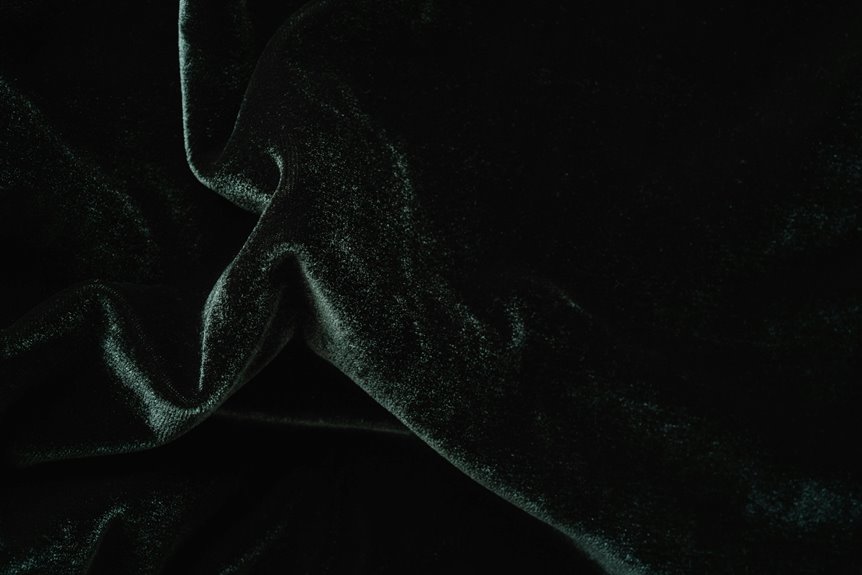
To clean delicate silk upholstery, start by gently vacuuming with a soft brush to remove dust. Spot clean stains promptly using a mild, pH-neutral detergent or baby shampoo tested on a hidden area. Avoid scrubbing, harsh chemicals, and direct sunlight. After cleaning, air dry your silk away from heat sources. Regular gentle maintenance and professional cleaning once a year will keep your silk looking vibrant and soft. Learn how to protect and extend the life of your silk upholstery next.
Key Takeaways
- Gently vacuum silk upholstery with a soft brush attachment to remove dust without damaging delicate fibers.
- Spot clean stains promptly using a mild, pH-neutral detergent tested on a hidden area to avoid discoloration.
- Air dry cleaned silk upholstery away from heat and direct sunlight to prevent fabric weakening and fading.
- Regularly dust and rotate cushions to ensure even wear and maintain silk’s luxurious appearance over time.
- Schedule professional cleaning annually with specialists experienced in silk to safely remove deep stains and restore luster.
Understanding the Characteristics of Silk Upholstery
Silk upholstery offers a luxurious and delicate texture that requires special care. When you handle silk, you’ll notice its smooth, soft feel and natural sheen, but it’s also highly sensitive to moisture, sunlight, and abrasion.
Because silk fibers are protein-based, they can weaken or discolor if exposed to harsh chemicals or excessive water. You’ll find that silk absorbs stains quickly, making prompt attention crucial.
Silk fibers are delicate and stain easily, so quick, gentle care is essential to maintain their beauty.
Additionally, silk upholstery is prone to fading under direct sunlight, so you’ll want to position your furniture away from windows or use protective coverings.
Understanding these traits helps you approach cleaning with the right techniques, preventing damage and preserving the fabric’s elegance. Treating silk with care guarantees it remains beautiful and lasts longer.
Essential Tools and Cleaning Supplies for Silk
To clean your silk upholstery effectively, you’ll need gentle cleaning agents that won’t damage the delicate fabric.
Soft cleaning tools like microfiber cloths or soft-bristled brushes help remove dirt without causing abrasion.
Using the right supplies guarantees your silk stays beautiful and lasts longer.
Gentle Cleaning Agents
Because silk is delicate, you’ll want to choose cleaning agents that won’t damage its fibers or alter its sheen.
Opt for mild, pH-neutral detergents specifically formulated for silk or delicate fabrics. Avoid bleach, harsh chemicals, and strong alkaline soaps, as they can weaken the fibers and cause discoloration.
You can also use a gentle baby shampoo diluted in water as an alternative. Test any cleaning solution on a hidden area before applying it to the entire surface to guarantee it doesn’t cause any damage or color loss.
Using these gentle cleaning agents helps maintain silk’s natural luster and softness while effectively removing dirt and stains.
Soft Cleaning Tools
Three key tools will make cleaning your delicate upholstery safer and more effective.
First, use a soft-bristled brush to gently loosen dirt without damaging silk fibers.
Second, a white cotton cloth works perfectly for blotting stains and applying cleaning solutions, preventing color transfer.
Third, a handheld vacuum with a brush attachment helps remove dust and debris carefully.
Avoid harsh sponges or abrasive materials that can scratch or weaken silk.
Always test your tools on a hidden area before full use.
Having these soft cleaning tools ready guarantees you treat your silk upholstery with the utmost care, preserving its beauty and texture while tackling dirt and stains efficiently.
Preparing Your Silk Upholstery for Cleaning
Before you plunge into cleaning, make certain you remove any loose dirt or dust from your silk upholstery by gently vacuuming with a soft brush attachment. This prevents grime from embedding deeper during cleaning.
Next, check your upholstery’s care label to confirm specific instructions or restrictions. Test any cleaning solution on a hidden area first to avoid discoloration or damage.
Always check care labels and test cleaning solutions on a hidden spot to prevent damage or discoloration.
Remove cushions or pillows if possible, giving you better access to seams and crevices. Protect surrounding furniture and flooring by placing towels or plastic sheets underneath.
Finally, ascertain your cleaning area is well-ventilated and avoid direct sunlight, which can cause fading. Taking these preparatory steps will help you clean your delicate silk upholstery safely and effectively.
Step-by-Step Process for Spot Cleaning Silk Fabric
Before you start spot cleaning, make certain you identify the type of stain on your silk upholstery.
This helps you choose the gentlest cleaner that won’t damage the delicate fabric.
Taking these steps guarantees you treat the stain effectively without risking your silk’s quality.
Identify Stain Type
How do you know which cleaning method to use on your silk upholstery? First, carefully examine the stain to identify its type.
Is it oily, like food grease or makeup? Or is it water-based, such as coffee, wine, or juice? You might also encounter protein stains from sweat or blood, or tannin stains from tea or soda. Each requires a different approach.
To determine this, gently blot the stain with a white cloth—if color transfers easily, it’s likely water-based. Oily stains feel slick or sticky to the touch. Protein stains may have a crusty texture.
Knowing the stain type helps you select the safest, most effective cleaning method, ensuring you protect your delicate silk upholstery from damage while removing the blemish efficiently.
Choose Gentle Cleaner
Since silk is a delicate fabric, you’ll want to select a gentle cleaner that won’t damage the fibers or alter the color of your upholstery.
Opt for a mild detergent specifically designed for silk or delicate fabrics. Alternatively, a solution of lukewarm water mixed with a few drops of gentle baby shampoo can work well.
Avoid harsh chemicals, bleach, or ammonia-based cleaners as they can weaken the silk and cause discoloration.
Before applying any cleaner, test it on a hidden area to verify it doesn’t cause fading or damage.
Use a soft white cloth or sponge to apply the cleaner lightly, never scrubbing aggressively.
This cautious approach helps preserve your silk upholstery’s natural sheen and softness while effectively removing stains.
Techniques for Deep Cleaning Silk Upholstery
Although silk upholstery requires gentle care, you can still perform deep cleaning effectively by using specialized techniques.
Start by vacuuming your silk furniture with a soft brush attachment to remove loose dirt without damaging the fibers.
Next, test a mild silk-safe detergent on a hidden area to verify it won’t cause discoloration.
Use a clean, white cloth dampened with the diluted detergent to gently blot stains, avoiding rubbing which can harm the fabric.
For more stubborn dirt, consider using a steam cleaner on the lowest setting, keeping it at a safe distance to prevent water spots.
Always allow your silk upholstery to air dry completely, away from direct sunlight or heat sources, to maintain its delicate texture and sheen.
Preventative Measures to Protect Silk From Stains and Damage
After mastering deep cleaning techniques, you’ll want to focus on protecting your silk upholstery from stains and damage to keep it looking pristine longer.
Taking preventative steps reduces the need for frequent deep cleans and preserves silk’s delicate texture.
Here are three key measures you can take:
- Use Slipcovers or Throws: Protect high-traffic areas with breathable covers to shield silk from spills and dirt.
- Apply a Fabric Protector: Choose a silk-safe spray to create a barrier against stains, but test on a hidden spot first.
- Limit Sun Exposure: Position furniture away from direct sunlight to prevent fading and fiber weakening.
Tips for Maintaining the Luster and Softness of Silk Over Time
To keep your silk upholstery looking vibrant and feeling soft, you’ll want to adopt a few simple habits that preserve its natural sheen and delicate texture.
Regularly dust your silk with a soft brush or vacuum using a gentle upholstery attachment to remove dirt and prevent buildup. Avoid direct sunlight, which fades colors and weakens fibers. Rotate cushions frequently to guarantee even wear.
Dust gently, avoid sunlight, and rotate cushions to keep silk upholstery vibrant and evenly worn.
When cleaning, always use mild, pH-neutral detergents designed for silk, and never soak the fabric. After cleaning, allow the silk to air dry away from heat sources to maintain softness.
Finally, consider professional cleaning once a year to restore luster and address deep stains without damaging the fabric. Following these tips helps your silk upholstery stay beautiful for years.
Frequently Asked Questions
Can Silk Upholstery Be Cleaned With a Steam Cleaner?
Ever tried steaming a delicate flower without wilting it? You shouldn’t use a steam cleaner on silk upholstery because it can damage the fibers. Instead, opt for gentle, dry cleaning methods to keep it looking pristine.
Is It Safe to Use Commercial Upholstery Cleaners on Silk?
You shouldn’t use commercial upholstery cleaners on silk since they often contain harsh chemicals. Instead, test a small area first or opt for specialized silk cleaners to avoid damage and keep your fabric looking beautiful.
How Often Should Professional Cleaning for Silk Upholstery Be Scheduled?
Imagine your silk sofa welcoming guests every weekend. You should schedule professional cleaning every 12 to 18 months to keep it pristine. This timing prevents buildup while preserving silk’s delicate texture and vibrant color.
What Are the Best Methods to Remove Pet Hair From Silk?
You should gently use a soft-bristled brush or a lint roller to remove pet hair from silk. Avoid harsh rubbing; instead, dab softly to lift hair without damaging the fabric’s delicate fibers.
Can Sunlight Damage Silk Upholstery Colors or Texture?
Imagine your silk upholstery fading like a sunset’s colors washed away by harsh light. Yes, sunlight can damage silk’s colors and texture, so you should keep it out of direct rays to preserve its delicate beauty.