
To clean chenille upholstery without ruining its softness, first vacuum gently using a soft brush attachment to remove dust. Spot clean stains by blotting with a mild detergent solution, avoiding harsh scrubbing. Always test cleaners on hidden areas to prevent damage. After cleaning, air dry the fabric away from direct heat and sunlight, then gently brush fibers to restore fluffiness. Following these steps helps keep chenille cozy and fresh, and there are more ways to care for it properly.
Key Takeaways
- Vacuum chenille upholstery gently with a soft brush attachment to remove dust without damaging fibers.
- Spot clean stains using a mild detergent solution, blotting lightly from the outside in to avoid spreading.
- Test any cleaning solution on a hidden area first to ensure it won’t harm the fabric or reduce softness.
- Air dry upholstery naturally with good ventilation, avoiding direct heat or sunlight that can stiffen chenille.
- After drying, gently brush fibers with a soft-bristle brush to restore chenille’s plush texture and softness.
Understanding Chenille Fabric and Its Unique Characteristics
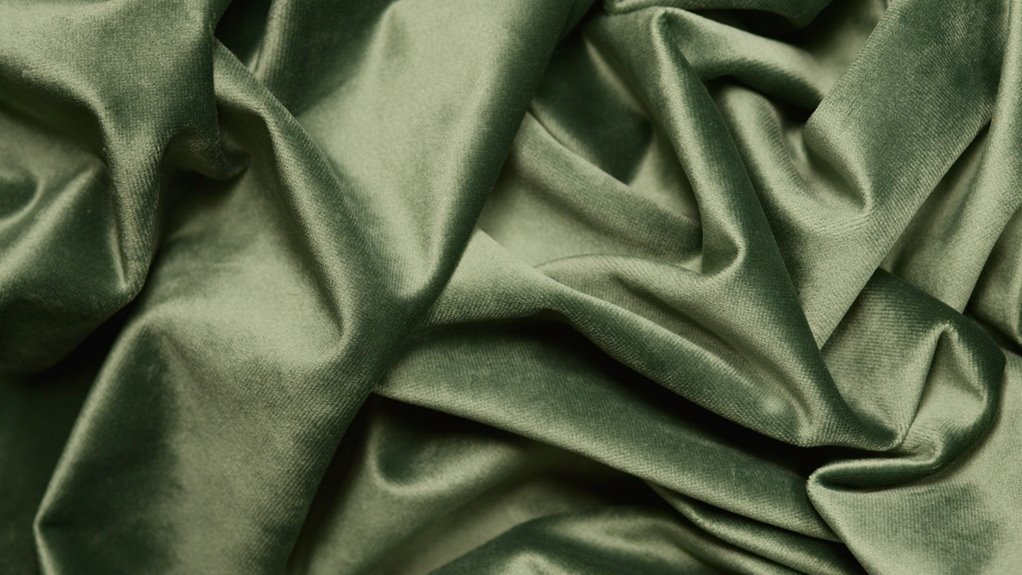
Chenille fabric stands out for its soft, fuzzy texture that comes from the unique way its fibers are woven. When you touch chenille, you’ll notice the short, raised pile created by the many tiny yarns twisted around a core thread. This construction gives chenille its signature plush feel and luxurious appearance.
You should know that chenille is often made from cotton, polyester, or a blend, which affects its durability and cleaning needs. Because of its softness, chenille can attract dust and dirt, but you must handle it gently to avoid crushing the fibers.
Understanding these characteristics helps you approach cleaning with care, ensuring you maintain its softness and avoid damage that harsh treatments might cause.
Preparing Your Chenille Upholstery for Cleaning
Before you start cleaning, carefully check your chenille upholstery for any damage that might worsen with moisture.
Next, vacuum the fabric thoroughly to remove dust and debris.
Finally, always test your cleaning solution on a small, hidden area to make sure it won’t harm the fabric.
Inspect Fabric for Damage
A careful inspection of your upholstery fabric helps you spot any tears, loose threads, or weak spots that could worsen during cleaning. Take your time examining the chenille closely, especially around seams and edges. Identifying damage beforehand prevents further issues.
| Issue Type | Location | Suggested Action |
|---|---|---|
| Tear | Seams | Use fabric glue or patch |
| Loose Thread | Surface | Trim carefully |
| Weak Spot | Armrests/Cushions | Avoid heavy cleaning here |
If you find any significant damage, consider repairing it before cleaning. This way, you protect your chenille’s softness and appearance. Also, marking weak areas helps you clean gently, avoiding harsh scrubbing that could ruin the fabric’s texture.
Vacuum to Remove Dust
Start by vacuuming your upholstery thoroughly to remove dust and loose dirt trapped in the chenille fibers.
Use a vacuum cleaner with an upholstery attachment to avoid damaging the delicate texture. Move the vacuum slowly over the surface, paying close attention to seams and crevices where debris tends to accumulate.
Avoid using a beater bar or rotating brush, as these can pull or fray the chenille threads. Regular vacuuming prevents dirt from embedding deeper into the fabric, which can cause wear and dullness over time.
Taking this simple step before any cleaning treatment helps maintain the softness and appearance of your chenille upholstery, ensuring it stays fresh and inviting without risking damage from abrasive particles.
Test Cleaning Solutions
To protect your chenille upholstery, you’ll want to test cleaning solutions on a small, hidden area first.
Apply a small amount of your chosen cleaner with a white cloth or cotton swab, then wait a few minutes to see how the fabric reacts.
Look for any discoloration, fading, or texture changes before proceeding. This step helps avoid damaging the fibers or ruining the softness you want to preserve.
If the test spot looks good, you can confidently clean the rest of the upholstery.
If you notice any adverse effects, try a milder solution or a different cleaner altogether.
Always follow the manufacturer’s cleaning recommendations and avoid harsh chemicals that could harm your chenille fabric.
Testing guarantees a safe, effective cleaning process every time.
Tools and Cleaning Supplies Needed for Chenille
Cleaning chenille upholstery requires specific tools and supplies to maintain its soft texture and vibrant appearance.
Maintaining chenille upholstery’s softness and vibrant look calls for the right cleaning tools and gentle care.
You’ll need a soft-bristled brush or a gentle vacuum attachment to remove dust without damaging the delicate fibers.
Have a clean, white microfiber cloth handy for blotting spills and applying cleaning solutions safely.
A mild upholstery detergent or a gentle fabric cleaner designed for delicate materials is essential, avoiding harsh chemicals that can dull the fabric.
Keep a spray bottle filled with distilled water nearby to rinse any soap residue gently.
Finally, use a fan or allow natural air circulation to help the upholstery dry thoroughly after cleaning.
With these tools and supplies ready, you’ll protect your chenille’s softness while keeping it fresh and clean.
Spot Cleaning Techniques for Chenille Upholstery
Although chenille upholstery is delicate, you can effectively tackle stains by addressing them promptly with the right spot cleaning techniques.
First, gently blot the stain with a clean, dry cloth to absorb excess liquid—never rub, as that can push the stain deeper or damage the fibers.
Next, lightly dampen a cloth with a mild detergent solution and dab the stained area, working from the outside in to prevent spreading. Avoid soaking the fabric; chenille absorbs moisture quickly, so use minimal water.
Afterward, blot the area again with a dry cloth to lift moisture. Let it air dry naturally, avoiding direct heat.
Regularly test any cleaning solution on an inconspicuous spot to guarantee it won’t discolor or harm your upholstery.
How to Remove Common Stains From Chenille Fabric
When you face common stains on chenille fabric, acting quickly can make all the difference in preserving its texture and color.
Quick action on chenille stains helps maintain its soft texture and vibrant color.
First, gently blot the stain with a clean cloth to absorb excess liquid—never rub, as this can damage fibers.
Next, use a mild detergent mixed with water and apply it carefully to the stain with a soft sponge.
Finally, rinse with a damp cloth to remove any soap residue and let it air dry.
Here’s a quick guide for common stains:
- Food and drink spills: Blot immediately, then spot clean with mild detergent.
- Ink stains: Dab with rubbing alcohol on a cotton swab before detergent.
- Grease stains: Sprinkle cornstarch to absorb oil, then brush off and clean gently.
Using a Vacuum to Maintain Chenille Softness
After tackling stains, keeping your chenille upholstery soft and fresh requires regular care beyond spot cleaning.
Using a vacuum is one of the simplest ways to maintain its plush texture. Make sure to use a vacuum cleaner with an upholstery attachment to gently remove dust, dirt, and debris trapped in the fabric’s nubby weave.
Avoid using a beater bar or strong suction, as these can damage the delicate fibers. Vacuum in the direction of the nap to preserve the fabric’s softness and avoid matting.
Regular vacuuming, ideally once a week, prevents dirt buildup that can dull chenille’s texture. This simple step keeps your upholstery looking vibrant and feeling cozy without compromising its softness or appearance.
Deep Cleaning Methods Safe for Chenille Upholstery
To keep your chenille upholstery looking its best, you’ll need to perform deep cleaning occasionally to remove embedded dirt and stains that regular vacuuming can’t handle.
Occasional deep cleaning is essential to remove dirt and stains that vacuuming alone can’t eliminate.
When deep cleaning, it’s important to be gentle to preserve the soft texture. Start by testing any cleaner on a hidden spot to avoid damage.
Here are three safe deep cleaning methods you can try:
- Mild Detergent Solution: Mix a small amount of gentle dish soap with warm water, then blot the fabric with a soft cloth.
- Upholstery Cleaner: Use a cleaner specifically formulated for delicate fabrics, following the instructions carefully.
- Steam Cleaning: Use a steam cleaner on a low setting to refresh fibers without soaking the fabric.
These methods help maintain chenille’s softness while effectively cleaning deep-set grime.
Drying and Post-Cleaning Care for Chenille Furniture
Once you finish cleaning your chenille furniture, it’s important to let it air dry properly to prevent stiffness.
You’ll want to avoid direct heat or sunlight, which can damage the fabric and ruin its soft texture.
Taking these steps helps keep your upholstery looking and feeling fresh for longer.
Proper Air Drying Techniques
While chenille fabric dries, you’ll want to guarantee good air circulation around your furniture to prevent mildew and maintain the material’s softness.
Place your chenille piece in a well-ventilated room, ideally near an open window or a fan. Avoid direct sunlight, which can fade colors and weaken fibers. Make sure the air flows freely around all sides of the upholstery to speed up drying evenly.
Here are some tips to follow:
- Use a fan to circulate air gently without blasting the fabric.
- Leave cushions and covers off the furniture to dry separately.
- Keep the room temperature moderate to avoid trapping moisture.
These steps help your chenille dry thoroughly without compromising its plush feel.
Avoiding Fabric Stiffness
Many factors can cause chenille fabric to become stiff after cleaning, but you can prevent this by handling the drying and post-cleaning process carefully. Avoid over-wetting and never use high heat when drying. Instead, let your upholstery air dry in a well-ventilated area away from direct sunlight. After drying, gently brush the fabric with a soft-bristle brush to restore its natural feel.
| Action | Reason | Tip |
|---|---|---|
| Air dry naturally | Prevents heat damage | Keep away from sunlight |
| Avoid high heat | Protects fabric fibers | Skip the dryer or hot blow dryer |
| Use soft brush | Restores softness and texture | Brush gently in one direction |
| Avoid over-wetting | Prevents stiffness and mildew | Use minimal water during cleaning |
Maintaining Soft Texture
Although chenille upholstery is known for its plush feel, maintaining that softness requires careful drying and aftercare.
Once you’ve cleaned your furniture, avoid using heat sources like hair dryers or direct sunlight, as they can stiffen the fabric. Instead, let the chenille air dry naturally in a well-ventilated room.
After drying, gently fluff the fibers with your fingers or a soft brush to restore their softness and texture. Regular maintenance keeps your chenille looking and feeling cozy.
Here are some tips to maintain that soft texture:
- Air dry in a shaded, ventilated area to prevent stiffness
- Use a soft-bristled brush to gently lift the fibers after drying
- Avoid heavy pressure or rubbing, which can crush the pile and dull softness
Tips to Prevent Future Stains and Damage on Chenille Upholstery
To keep your chenille upholstery looking fresh, you’ll want to take proactive steps that minimize exposure to dirt and spills.
Use slipcovers or throws in high-traffic areas to protect the fabric. Avoid eating or drinking near your upholstery to reduce stain risks.
Protect chenille upholstery with slipcovers in busy spots and avoid eating or drinking nearby to prevent stains.
Regularly vacuum with a soft brush attachment to remove dust and prevent dirt buildup. Rotate cushions frequently to guarantee even wear and maintain shape.
Keep pets off the furniture or trim their nails to avoid snags. Consider applying a fabric protector designed for chenille to repel stains, but test it first on a hidden spot.
Finally, place your furniture away from direct sunlight and heat sources to prevent fading and fabric weakening.
These tips will help preserve your upholstery’s softness and appearance longer.
Frequently Asked Questions
Can Chenille Upholstery Be Cleaned With a Steam Cleaner?
You can’t just blast chenille with a steam cleaner like it’s a jungle! You’ll risk shrinking or matting the fabric. Instead, use gentle steam briefly, then air dry to keep that softness intact and cozy.
Is It Safe to Use Commercial Fabric Fresheners on Chenille?
You shouldn’t use commercial fabric fresheners on chenille without testing first. They might contain harsh chemicals that damage fibers or dull softness. Always spot-test and choose gentle, upholstery-safe products to keep your chenille looking and feeling great.
How Often Should Chenille Furniture Be Professionally Cleaned?
You should have your chenille furniture professionally cleaned every 12 to 18 months to keep it fresh and soft. If you have pets or kids, consider more frequent cleanings to maintain its appearance and texture.
Can Pet Hair Be Effectively Removed From Chenille Fabric?
You can effectively remove pet hair from chenille fabric by using a lint roller or a vacuum with a brush attachment. Regularly brushing the fabric also helps keep pet hair from embedding deeply into fibers.
Does Sunlight Exposure Affect Chenille Fabric Color or Texture?
Sunlight can turn your chenille into a faded, brittle mess if you’re not careful! It gradually dulls colors and weakens fibers, so you’ll want to keep it shaded to preserve that soft, vibrant look.