
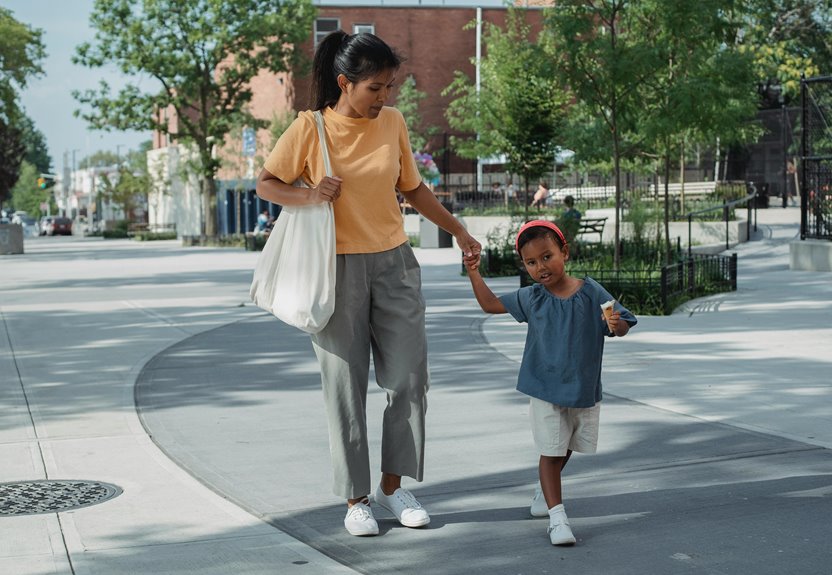
To care for your nonwoven polypropylene tote bags, shake out debris and wipe them with a damp cloth regularly. Spot clean stains gently using mild soap and lukewarm water, then air dry completely to avoid mildew. Hand wash only when necessary, avoiding twisting or machine washing to keep their shape intact. Store bags flat or hung in a cool, dry place. For odors, use baking soda or vinegar. Keep these tips in mind, and you’ll find more ways to maintain and repair your bags effectively.
Key Takeaways
- Shake out debris and wipe the bag with a damp cloth after each use to keep it clean and dust-free.
- Spot clean stains gently with mild soap and lukewarm water, then air dry completely away from direct sunlight.
- Hand wash with mild detergent in lukewarm water and avoid twisting; machine washing is discouraged to prevent damage.
- Store bags flat or hanging in a cool, dry place to maintain shape and prevent mold or creasing.
- Repair minor tears with fabric glue or stitching, and replace bags when handles fray, seams weaken, or odors persist.
Understanding Nonwoven Polypropylene Material
Although you mightn’t realize it, nonwoven polypropylene is a popular material for tote bags because of its durability and lightweight nature.
Nonwoven polypropylene totes stand out for their durability and lightweight design, making them a smart everyday choice.
When you choose a tote made from this fabric, you’re getting something resistant to tears and moisture, which means it holds up well under daily use.
The nonwoven structure means the fibers are bonded together without weaving, giving the bag a smooth, flexible texture that’s easy to carry.
You’ll notice it feels sturdier than typical plastic bags but still folds flat for convenient storage.
Plus, it’s an eco-friendly choice since it’s reusable and recyclable.
Understanding these qualities helps you appreciate why nonwoven polypropylene totes are a practical, reliable option for everyday carrying needs.
Daily Cleaning Tips for Your Tote Bags
Since you use your tote bags regularly, keeping them clean is essential to maintain their appearance and longevity.
Start by shaking out any crumbs or dirt after each use. Wipe the exterior with a damp cloth to remove dust and surface grime. Avoid soaking the bag; instead, spot clean with mild soap and water when needed.
Let your tote air dry completely before storing it to prevent mildew. Keep your bag away from direct sunlight for long periods, as this can cause fading.
If your tote has a liner, gently clean it too, following similar steps. By incorporating these simple daily habits, you’ll keep your nonwoven polypropylene tote bags fresh and ready for your next outing without causing wear or damage.
How to Remove Stains Safely
When you spot a stain on your tote bag, it’s important to act gently to avoid damage.
You’ll want to use mild cleaning methods and targeted stain treatments that work without harsh chemicals.
Let’s explore how to remove stains safely while keeping your bag looking its best.
Gentle Cleaning Methods
Stains on your tote bag don’t have to be a permanent problem. To clean your nonwoven polypropylene tote gently, start by spotting the stain with a soft cloth dampened in lukewarm water.
Avoid scrubbing hard, as it can damage the fabric. Use mild soap or detergent diluted in water for tougher spots, applying it sparingly.
Rinse the area carefully with a clean, damp cloth to remove soap residue. Never soak your tote bag, as excess water can weaken the fibers.
After cleaning, let your tote air dry completely in a well-ventilated area, away from direct sunlight or heat sources.
Stain Treatment Tips
Keeping your tote bag spotless goes beyond gentle cleaning—it also means tackling stains safely and effectively. When you spot a stain, act quickly by blotting, not rubbing, to prevent it from setting. Use mild soap mixed with water and a soft cloth to gently lift the stain. Avoid harsh chemicals or bleach as they can damage the polypropylene fibers.
Here’s a quick guide to stain treatment:
| Stain Type | Recommended Cleaner | Action Tip |
|---|---|---|
| Food | Mild soap & water | Blot gently |
| Ink | Rubbing alcohol (test first) | Dab carefully |
| Dirt/Mud | Soft brush & water | Let dry before brushing |
| Grease/Oil | Dish soap | Use warm water |
| Wine/Coffee | Vinegar & water mix | Blot immediately |
Always test cleaners on a small area first to keep your bag looking fresh.
Best Practices for Hand Washing
Hand washing your tote bag carefully can extend its life and keep it looking fresh.
Start by filling a basin with lukewarm water and adding a mild detergent. Avoid harsh chemicals that can damage the polypropylene fibers. Submerge the bag and gently scrub with a soft cloth or sponge, focusing on stained or dirty areas.
Fill a basin with lukewarm water and mild detergent, then gently scrub stained areas with a soft cloth.
Rinse thoroughly with clean water to remove soap residue. Avoid twisting or wringing the bag, as this can deform its shape. Instead, press out excess water gently with a towel.
Hang your tote bag in a well-ventilated area away from direct sunlight to air dry completely. Following these steps helps maintain your bag’s durability and appearance, ensuring it stays functional and attractive for a long time.
Can You Machine Wash Nonwoven Polypropylene Bags?
You might wonder if it’s safe to toss your nonwoven polypropylene tote bags in the washing machine.
While machine washing can clean them effectively, you’ll need to follow specific tips to avoid damage.
Let’s cover how to wash, dry, and maintain these bags properly.
Washing Machine Safety
Although nonwoven polypropylene bags feel sturdy, you should avoid machine washing them because the agitation and heat can damage their fibers and reduce their lifespan.
The tumbling action in a washing machine may cause the bag to lose its shape or develop tears. Additionally, high water temperatures can weaken the fabric and cause colors to fade.
If you must use a machine, opt for the gentlest cycle with cold water and place the bag inside a mesh laundry bag for added protection. Avoid using harsh detergents or bleach, as they can further degrade the material.
Effective Cleaning Tips
Since nonwoven polypropylene bags require gentle care, machine washing isn’t the best choice for cleaning them. Instead, you should clean your tote bags by hand to avoid damaging the material or compromising their structure.
Start by wiping off any loose dirt with a damp cloth. For stains or dirt buildup, mix a small amount of mild detergent with warm water and gently scrub the affected areas using a soft brush or sponge. Avoid harsh chemicals or bleach, as they can weaken the fibers.
After cleaning, rinse the bag with clean water to remove soap residue. Spot cleaning and hand washing help maintain your tote’s durability and appearance without risking shrinkage or warping that machine washing might cause.
Drying and Maintenance
Hand washing your nonwoven polypropylene tote bags protects their structure, but drying them properly is just as important to keep them in good shape.
Avoid machine drying, as high heat can warp or weaken the fibers. Instead, air dry your bags by hanging them in a well-ventilated area away from direct sunlight, which can cause fading.
Make sure the bag is completely dry before storing it to prevent mold and odors. You shouldn’t machine wash nonwoven polypropylene bags either; the agitation and water temperature can damage the material.
For maintenance, regularly wipe your bags with a damp cloth to remove dust and spills. Following these steps will extend your tote’s life and keep it looking great without risking damage.
Proper Drying Methods to Maintain Shape
To keep your tote bag looking its best, you’ll want to dry it properly to preserve its shape. After cleaning, gently shake off excess water and reshape the bag while it’s still damp.
Avoid wringing or twisting, as this can distort the fabric. Instead, lay your tote flat on a clean, dry towel in a well-ventilated area away from direct sunlight or heat sources, which can cause warping or fading.
You can also stuff the bag with clean, dry paper or cloth to help maintain its form during drying. Make sure to let it air dry completely before storing or using it again.
Avoiding Common Damage and Wear
Proper drying helps maintain your tote bag’s shape, but protecting it from everyday damage keeps it looking great even longer. Avoid overloading your bag, as excess weight can strain seams and handles. Keep sharp objects away to prevent punctures or tears. Also, avoid exposing your bag to harsh chemicals or prolonged sunlight, which can weaken fibers and cause fading.
| Common Damage | Prevention Tip |
|---|---|
| Seam strain | Don’t overload the bag |
| Tears and punctures | Keep sharp items separate |
| Fading | Limit exposure to direct sunlight |
| Fiber weakening | Avoid harsh chemicals |
Storing Your Tote Bags Correctly
When you’re not using your tote bags, storing them correctly can prevent wrinkles, creases, and damage.
Proper storage keeps your bags looking fresh and extends their lifespan. Follow these tips to store your nonwoven polypropylene tote bags effectively:
Proper storage preserves your tote bags’ appearance and durability for long-lasting use.
- Keep Them Dry: Store your bags in a cool, dry place to avoid mold and mildew.
- Avoid Overstuffing: Don’t cram multiple bags together tightly; this causes unnecessary creasing.
- Use Hangers or Shelves: Hang bags by their handles or lay them flat on shelves to maintain their shape.
Refreshing Bags With Odor Removal Techniques
Storing your tote bags well keeps them in good shape, but odors can still develop over time, especially if they’ve carried groceries or other strong-smelling items. To refresh your bags, try simple odor removal techniques that are safe and effective.
| Method | How to Use | Benefits |
|---|---|---|
| Baking Soda | Sprinkle inside, let sit 24 hrs | Absorbs and neutralizes odors |
| White Vinegar Spray | Mix with water, spray lightly | Kills bacteria, removes smells |
| Activated Charcoal | Place pouch inside bag | Long-lasting odor control |
| Sunlight | Air out bag in direct sun | Natural deodorizer, dries moisture |
Try these methods regularly to keep your tote bags smelling fresh and clean without harsh chemicals.
Repairing Minor Tears and Seams
A small tear or loose seam doesn’t have to ruin your favorite tote bag. You can easily fix these minor issues and extend your bag’s life. Here’s how you can repair your nonwoven polypropylene tote:
- Clean the area: Wipe the damaged spot with a damp cloth and let it dry completely before starting repairs.
- Use fabric glue or adhesive tape: Apply a strong fabric glue or iron-on adhesive tape suitable for polypropylene to seal small tears or reinforce seams.
- Sew if needed: For loose seams, use a needle and strong polyester thread to stitch the area securely, making small, tight stitches.
When to Replace Your Nonwoven Polypropylene Bag
Though nonwoven polypropylene bags are durable, you’ll know it’s time to replace yours when it shows significant wear that affects its functionality or safety.
If the handles begin to fray or tear, carrying heavy items becomes risky. Similarly, large holes or weakened seams can cause your belongings to fall out or damage the bag further.
When the bag loses its shape or the material becomes brittle, it won’t protect your items effectively. If you notice persistent stains or odors that don’t wash out, it’s a good idea to get a new one.
A bag that loses shape or harbors stubborn stains and odors is ready for replacement.
Regularly inspect your bag for these signs to avoid unexpected failures. Replacing your tote at the right time guarantees you maintain convenience and safety during daily use.
Environmental Benefits of Maintaining Your Tote Bags
By taking good care of your tote bags, you’ll extend their lifespan and keep them out of the landfill longer.
This simple effort helps reduce waste and lowers the demand for new bags.
Maintaining your totes not only saves you money but also supports a healthier environment.
Prolonging Bag Lifespan
When you take good care of your tote bags, you not only extend their usability but also reduce the need to buy replacements frequently. This helps conserve resources and lowers your environmental footprint.
To prolong your tote bag’s lifespan, keep these tips in mind:
- Clean regularly but gently: Use mild soap and cold water to avoid weakening the polypropylene fibers.
- Store properly: Keep bags in a cool, dry place away from direct sunlight to prevent fading and material degradation.
- Avoid overloading: Respect the bag’s weight capacity to prevent tears and strain on handles.
Reducing Waste Impact
Every time you maintain your tote bags properly, you cut down on waste and lessen your environmental impact. By caring for your nonwoven polypropylene tote bags, you extend their usability, which means fewer bags end up in landfills.
Instead of frequently buying new bags, you reduce the demand for raw materials and energy used in manufacturing. This lowers your carbon footprint and conserves resources. Proper cleaning and storage prevent damage, so you don’t need to replace your bags as often.
When you choose to repair small tears or stains rather than discard your tote, you actively participate in waste reduction. Ultimately, your efforts not only save money but also support sustainability by minimizing unnecessary waste and promoting a greener lifestyle.
Frequently Asked Questions
Can Nonwoven Polypropylene Bags Be Customized With Logos or Designs?
You can definitely customize nonwoven polypropylene bags with logos or designs. They’re great for branding since the material holds prints well. Just choose your design, and you’ll have personalized, durable tote bags ready to use.
Are Nonwoven Polypropylene Tote Bags Waterproof?
Nonwoven polypropylene tote bags aren’t completely waterproof, but they resist water pretty well. You won’t want to soak them, but a little rain or spills won’t ruin your bag or its contents.
How Long Do Nonwoven Polypropylene Bags Typically Last With Regular Use?
You can expect nonwoven polypropylene bags to last about 1 to 3 years with regular use. Their durability depends on how often you use them and the weight you carry, so handle them with some care.
Can These Bags Be Recycled After Disposal?
Think of your bag as a phoenix—it can rise again through recycling! While some facilities accept nonwoven polypropylene, you’ll want to check locally since not all recycle these bags. Doing so helps you reduce waste responsibly.
Are Nonwoven Polypropylene Bags Safe for Carrying Food Items?
Yes, nonwoven polypropylene bags are generally safe for carrying food items as they’re durable and moisture-resistant. Just make sure you clean them regularly to prevent bacteria buildup and avoid carrying raw meats to keep your food safe.