
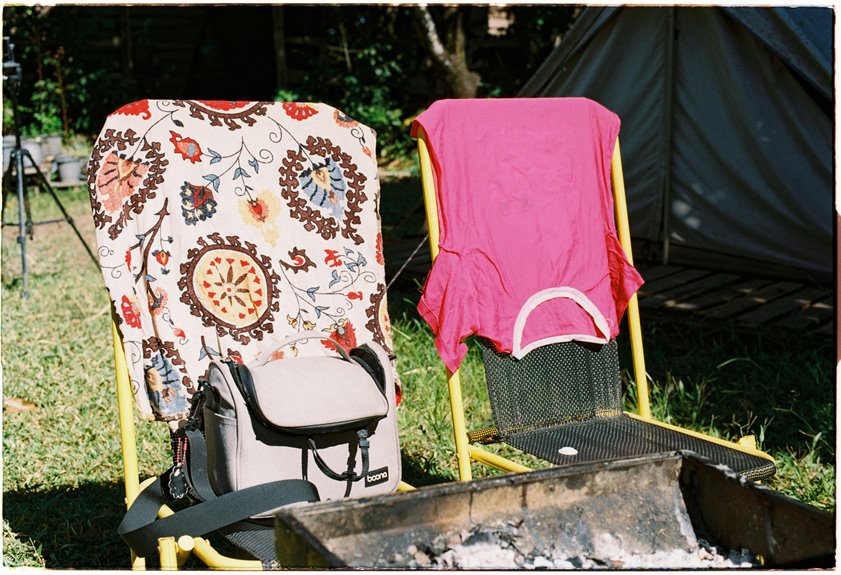
You’ll typically need between 1 to 2.5 yards of fabric for lawn chairs, depending on the type and size. Folding chairs require less fabric, about 1 to 1.5 yards, while Adirondack or sling chairs might need up to 2.5 yards. Always measure seat, backrest, and armrests carefully, adding extra for seams and cushions. Choosing the right fabric width helps minimize waste, and using durable, outdoor-grade materials guarantees longevity. Keep these basics in mind as you prepare your project.
Key Takeaways
- Measure seat, backrest, and armrests, adding 2-3 inches for seams and tucking to determine fabric requirements.
- Folding chairs typically need 1 to 1.5 yards of durable fabric; sling chairs require about 2 yards.
- Use fabric width (45-60 inches) to estimate yardage and minimize seams.
- Add 10-15% extra fabric for pattern matching and 2x measurements for reversible covers.
- Choose UV-resistant, water-repellent outdoor fabric like Sunbrella for durability and longevity.
Measuring Your Lawn Chair for Fabric
Before you buy any fabric, you need to measure your lawn chair accurately. Start by noting the dimensions of each section you plan to cover—the seat, backrest, and armrests if applicable.
Use a flexible measuring tape and record the width, length, and depth for each part. Don’t forget to add extra inches for seams and tucking, usually about 2 to 3 inches on every side.
If your chair has cushions, measure their thickness as well. Jot down all these numbers clearly to avoid mistakes later.
Types of Lawn Chairs and Their Fabric Needs
Since different lawn chairs vary in design and size, you’ll need to choose fabric that matches each type’s specific requirements.
Folding chairs often have narrow seats and backs, so you’ll need less fabric but should pick something durable to handle frequent folding.
Folding chairs need less fabric but require durable material to withstand frequent folding.
Sling chairs require stretchy, weather-resistant fabric to provide comfort and support.
Adirondack chairs, with their wide, contoured seats and backs, demand more fabric and usually benefit from sturdy, outdoor-grade materials.
For chaise lounges, expect to use even more fabric to cover the longer seating area, and choose something that resists sun and moisture.
Standard Fabric Yardage for Common Lawn Chair Sizes
Estimating the right amount of fabric for your lawn chairs helps you avoid shortages or excess.
For a standard folding lawn chair, plan on about 1 to 1.5 yards of fabric, assuming a 54-inch width.
Sling chairs typically require around 2 yards due to their larger seat and back areas.
If you’re reupholstering a classic Adirondack chair, you’ll need approximately 2 to 2.5 yards because of its wider, contoured panels.
For beach or directors’ chairs with canvas seats, 1.5 to 2 yards usually works well.
Remember, these measurements suit most average-sized chairs.
If your lawn chairs are larger or have additional cushions, you might need more fabric.
Always measure your chair carefully before buying fabric to guarantee you get the right yardage for your project.
Choosing the Right Fabric Width for Reupholstery
When picking fabric for your lawn chair, you’ll notice widths usually come in standard sizes like 54 or 60 inches.
The width you choose affects how much yardage you need, so it’s key to match the fabric width to your chair’s dimensions.
Getting this right helps you avoid buying too much or too little fabric for your project.
Standard Fabric Widths
Fabric width plays a crucial role in determining how much material you’ll need for reupholstering lawn chairs. Standard fabric widths typically range from 45 to 60 inches, affecting how many yards you must buy. Narrower fabric means more seams and potentially more fabric, while wider fabric can cover more area with fewer cuts. When choosing fabric, consider the chair’s dimensions and whether the fabric width suits the project size. Here’s a quick reference to common fabric widths:
| Fabric Width (inches) | Best For |
|---|---|
| 45 | Smaller chair cushions |
| 54 | Medium-sized lawn chairs |
| 60 | Large cushions, minimal seams |
| 72+ | Oversized outdoor furniture |
Picking the right width helps you avoid excess waste and guarantees a smoother reupholstery process.
Impact on Yardage
Choosing the right fabric width directly affects how many yards you’ll need for your lawn chair project. If you pick a wider fabric, you can cover larger sections without seams, which often means buying less overall.
Narrower fabric widths might require more yardage since you’ll need to piece together panels to cover the same area. This can also lead to extra cutting and waste.
Before buying, measure your chair’s cushions and frame carefully, then compare those measurements to the fabric width. If the fabric is too narrow, plan for additional yardage and consider how seams will impact your chair’s appearance.
Matching Fabric to Chair
Since your lawn chair’s shape and size dictate how the fabric will fit, you’ll need to select a width that complements its dimensions. Narrow frames require less width, while wider or contoured chairs demand broader fabric to avoid seams in awkward places. Standard fabric widths range from 45 to 60 inches, so matching this to your chair guarantees smoother upholstery and less waste.
| Chair Type | Recommended Fabric Width (inches) |
|---|---|
| Slim folding | 45 |
| Standard lawn | 54 |
| Wide frame | 60 |
| Contoured | 60+ |
| Custom shapes | Based on measurements |
Picking the right width helps you minimize excess fabric and achieve a clean, professional finish.
How to Account for Pattern Matching and Fabric Direction
When reupholstering your lawn chairs, you’ll need to understand fabric grain to guarantee the material lays correctly.
Matching patterns seamlessly can make your chairs look professional, but it requires careful planning.
Be sure to calculate extra yardage to accommodate pattern repeats and fabric direction.
Understanding Fabric Grain
Although it might seem straightforward, understanding fabric grain is essential to guarantee your lawn chair covers fit well and last longer.
Fabric grain refers to the direction of the threads woven into the material. When you cut your fabric along the correct grain, usually parallel to the selvage edge, your covers will drape properly and maintain their shape over time.
Cutting against the grain can cause stretching or distortion, making your covers look uneven or loose. Always align your pattern pieces with the grain indicated, and consider the fabric’s stretch properties if it has any.
Keeping track of grain guarantees durability and a professional finish, so before you cut, double-check the direction to avoid costly mistakes. This step sets a solid foundation for your project.
Matching Patterns Seamlessly
To achieve a polished look on your lawn chair covers, you’ll need to carefully match patterns and consider fabric direction. Start by identifying the repeat size of your fabric’s pattern—this helps you align motifs perfectly across seams.
Always lay your fabric flat and note the grainline to guarantee patterns run consistently in the same direction. When cutting, place pattern pieces so matching elements line up at edges, preventing mismatched seams that distract from the design.
Pin pieces together and double-check alignment before sewing. Remember, some fabrics have directional prints, so orient all pieces uniformly to maintain visual harmony.
Calculating Extra Yardage
Since matching patterns and maintaining fabric direction require careful alignment, you’ll need to add extra yardage beyond the basic measurements for your lawn chair covers.
Here’s how to calculate it:
- Measure your chair dimensions accurately, including height, width, and depth.
- Add 10-15% extra fabric to accommodate pattern repeats and guarantee seamless matching.
- Consider fabric direction—if your fabric has a nap or directional print, add 20% more to maintain consistency.
- Always round up your total yardage to the nearest half or full yard to avoid shortages.
Tips for Estimating Extra Fabric for Cushions and Padding
Adding extra fabric for cushions and padding guarantees your lawn chair covers fit comfortably without strain. When estimating, consider the cushion thickness and add at least 2-4 inches per side for padding and seams. Remember, denser cushions need more fabric to accommodate their bulk.
Use this quick guide to visualize your fabric needs:
| Cushion Size (inches) | Extra Fabric Needed (inches) |
|---|---|
| 16 x 16 | 4 |
| 18 x 18 | 5 |
| 20 x 20 | 6 |
| 22 x 22 | 7 |
Always round up to avoid shortages. Adding this buffer guarantees your covers won’t be tight or misshapen once padded, giving a neat, comfortable fit every time.
Calculating Fabric for Chair Backs and Armrests
Once you’ve accounted for cushions and padding, focus on measuring the fabric needed for chair backs and armrests. These parts often require precise calculations to guarantee a snug fit and enough material to cover seams and curves.
- Measure the height and width of the chair back, adding 2-3 inches for seam allowance.
- Measure each armrest’s length and circumference, including any padding thickness.
- Add extra fabric for folds or pleats if your design includes them.
- Multiply your total measurements by 2 if you plan to line the fabric or want reversible covers.
Following these steps helps you avoid fabric shortages and guarantees your lawn chairs look polished and comfortable.
Tools You’ll Need for Accurate Fabric Measurement
Accurate fabric measurement starts with having the right tools at your disposal. First, grab a sturdy measuring tape—preferably one marked in both inches and centimeters—to guarantee precision.
Begin accurate fabric measurement by using a sturdy measuring tape marked in inches and centimeters for precision.
A clear, flat surface helps you lay out the fabric smoothly for exact readings. You’ll also want a fabric marker or tailor’s chalk to mark measurements without damaging the material.
Scissors designed for fabric guarantee clean cuts, preventing fraying. A straight ruler or yardstick will assist in measuring longer sections accurately.
Finally, keep a notepad or digital device handy to jot down measurements as you go. Using these tools carefully helps you avoid costly mistakes and guarantees you buy just the right amount of fabric for your lawn chairs.
Where to Buy Durable Outdoor Fabric for Lawn Chairs
Wondering where to find durable outdoor fabric for your lawn chairs? You want fabric that withstands sun, rain, and wear. Here are four great places to check out:
- Local fabric stores – They often carry outdoor-specific materials like Sunbrella.
- Online specialty retailers – Websites like Fabric.com or Outdoorfabrics.com offer a wide selection.
- Home improvement stores – Places like Home Depot or Lowe’s stock outdoor fabrics suitable for furniture.
- Craft stores – Michaels or Joann Fabrics sometimes have durable outdoor fabric options during seasonal sales.
Before buying, make certain the fabric is UV-resistant, water-repellent, and easy to clean.
This guarantees your lawn chairs stay looking fresh season after season.
Frequently Asked Questions
How Do I Clean Fabric on Lawn Chairs Without Damaging It?
You should gently brush off loose dirt, then spot-clean with mild soap and water. Avoid harsh chemicals or scrubbing too hard to prevent damage. Rinse thoroughly and let the fabric air dry completely before use.
Can I Use Indoor Fabric for Outdoor Lawn Chairs?
Did you know 80% of outdoor fabrics resist fading and mildew? You shouldn’t use indoor fabric for lawn chairs since it lacks weather resistance. Instead, choose outdoor fabric designed to withstand sun, moisture, and wear.
What Is the Best Fabric for All-Weather Lawn Chairs?
You’ll want to choose solution-dyed acrylic or polyester fabric for all-weather lawn chairs. They’re water-resistant, UV-protected, and durable, so your chairs stay comfortable and vibrant through sun, rain, and humidity without fading or mildew.
How Often Should I Replace Lawn Chair Fabric?
Like a sun-worn flag, your lawn chair fabric fades with time. You should replace it every 2-3 years or sooner if you spot tears, mold, or fading, ensuring your chair stays comfy and fresh.
Are There Eco-Friendly Fabric Options for Lawn Chairs?
You can choose eco-friendly fabric options like organic cotton, recycled polyester, or hemp for your lawn chairs. These materials reduce environmental impact, offer durability, and often resist mildew, making them great sustainable choices for outdoor use.