
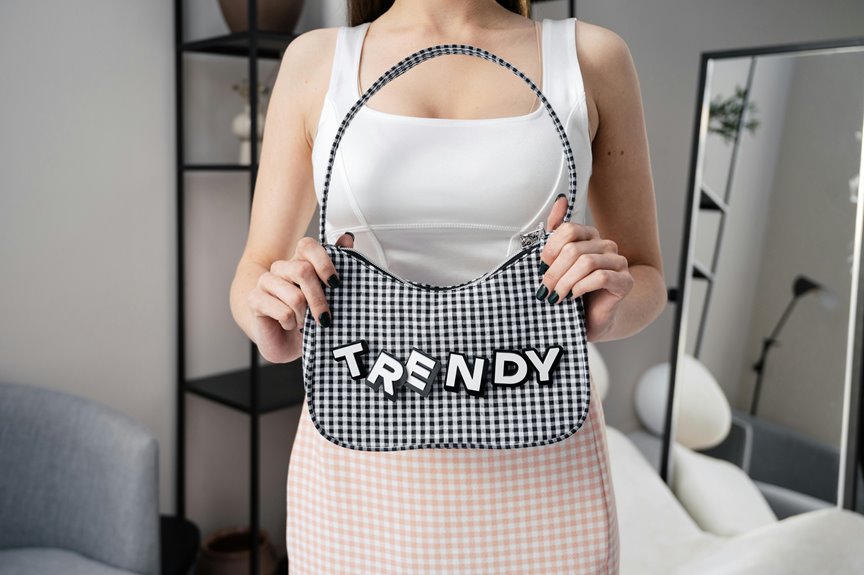
You start making gingham fabric by selecting durable, soft yarn—usually cotton or a cotton blend—and dyeing it in stripes before weaving. Next, you carefully prepare the yarn to keep tension even and weave it on a loom, alternating colored warp and weft threads to create the classic checked pattern. After weaving, you apply finishing treatments to enhance softness and durability. If you want to understand the rich history, detailed processes, and modern twists behind gingham, you’re in for a treat.
Key Takeaways
- Gingham fabric is made by weaving dyed yarns arranged in alternating colored stripes on the loom to form a checkerboard pattern.
- Cotton yarns, often blended with polyester for strength and wrinkle resistance, are chosen and prepared by aligning and winding onto warp beams.
- Yarn dyeing occurs before weaving to ensure consistent, vibrant colors, using techniques like vat dyeing for long-lasting color penetration.
- After weaving, finishing treatments enhance the fabric’s softness and shrinkage resistance to improve durability and comfort.
- A thorough final inspection detects defects and ensures color uniformity, maintaining high quality standards for the finished gingham fabric.
History and Origins of Gingham Fabric
Although you might associate gingham with classic picnic blankets or vintage dresses, its history goes back several centuries.
You’ll find that gingham originated in Southeast Asia before reaching Europe in the 17th century. The word “gingham” likely comes from the Malay word “genggang,” meaning striped.
At first, it featured simple striped patterns rather than the checkered ones you know today. As you explore its history, you’ll see that Dutch and English manufacturers popularized gingham by producing it as a cotton fabric, making it affordable and widely available.
Originally striped, gingham became widely popular when Dutch and English makers crafted it in affordable cotton.
Over time, the design evolved into the distinct checked pattern. So, when you think about gingham, remember it’s a fabric with a long, rich heritage shaped by trade and cultural exchange.
Choosing the Right Yarn for Gingham
After understanding gingham’s rich history and how its patterns evolved, you’ll see that the choice of yarn plays a big role in shaping the fabric’s final look and feel.
When selecting yarn for gingham, you want fibers that offer both durability and softness—cotton is a popular choice because it’s breathable and comfortable. You can also consider blends with polyester for added strength and wrinkle resistance.
Pay attention to yarn thickness; finer yarns create a smoother, more delicate fabric, while thicker yarns result in a coarser texture. The yarn’s twist affects the weave’s tightness and the pattern’s clarity, so choose one that balances strength with flexibility.
Dyeing Techniques for Gingham Yarn
Since the vibrant checkered patterns define gingham, dyeing the yarn with precision is essential to achieving its signature look. You’ll want to select dyes that provide consistent color and resist fading. Yarn dyeing typically happens before weaving, ensuring each thread carries the right hue. There are multiple dyeing techniques you can use, each affecting the final fabric’s appearance. Here’s a quick overview:
| Dyeing Technique | Key Feature |
|---|---|
| Piece Dyeing | Dyeing finished fabric |
| Yarn Dyeing | Dyeing yarn before weaving |
| Space Dyeing | Multi-colored yarn effects |
| Vat Dyeing | Deep, long-lasting colors |
Yarn dyeing stands out for gingham, as it keeps colors sharp and patterns well-defined. You can trust this method to bring out gingham’s classic charm.
Preparing Yarn for Weaving
Before weaving can begin, you need to prepare the yarn carefully to guarantee smooth production and a quality fabric.
First, you’ll inspect the dyed yarn for consistency in color and strength, ensuring no weak spots or uneven dyeing remain.
Next, you’ll straighten and align the yarn fibers by winding them onto bobbins or cones, which helps prevent tangling during weaving.
Then, you’ll organize the yarn onto warp beams, keeping tension even to avoid breaks. This step is essential because uneven tension can distort the gingham pattern later.
Finally, you’ll check the yarn’s moisture content; a slight dampness improves flexibility and reduces static.
The Weaving Process Behind Gingham Patterns
You’ll start by selecting and preparing the yarn with care to guarantee quality.
Then, arranging the warp and weft threads correctly is key to creating the classic gingham checkerboard pattern.
This precise weaving process gives gingham its distinctive look.
Yarn Selection and Preparation
Choosing and preparing the right yarns is essential to achieving the crisp, clean patterns that define gingham fabric. You start by selecting high-quality cotton or cotton-blend yarns, which provide the durability and smooth texture gingham requires.
These yarns should be evenly spun to guarantee uniform thickness, preventing irregularities in the final pattern. Next, you dye the yarns in solid colors—typically white and a contrasting shade—using precise dyeing techniques to ensure colorfastness and vibrancy.
After dyeing, the yarns are thoroughly dried and wound into bobbins or spools, ready for the weaving process. Proper tension and alignment during this preparation phase are critical because they directly affect the sharpness of the gingham’s distinctive checkered design.
Warp and Weft Arrangement
Once the yarns are prepared, the weaving process brings the gingham pattern to life by carefully arranging the warp and weft threads.
You’ll start by setting the warp threads vertically on the loom, alternating colors according to the desired gingham design. Then, the weft threads are woven horizontally, crossing over and under the warp threads in a precise sequence.
This interlacing creates the fabric’s distinctive crisscross effect. You need to maintain consistent tension to guarantee uniformity and prevent distortion.
Checkerboard Pattern Formation
Although the warp and weft threads are carefully arranged, the true magic happens during the weaving process, where these threads interlace to form the iconic checkerboard pattern of gingham.
As you watch the loom in action, you’ll see the alternating colored threads cross each other at right angles. This interlacing creates blocks of solid color where threads of the same dye overlap, and lighter squares where threads of different colors combine.
The pattern depends on the precise sequence and spacing of these threads. By controlling which threads lift or lower during weaving, the loom produces the distinct, evenly spaced checks.
This method guarantees the classic gingham pattern is both consistent and visually balanced, giving the fabric its timeless appeal and versatility.
Creating the Classic Checkered Design
When you look closely at gingham fabric, you’ll notice its signature checkered design comes from a precise weaving process that intertwines dyed yarns in both the warp and weft directions. As you follow the yarns, alternating colors cross each other, creating the distinct squares you recognize. This method guarantees the pattern remains consistent and balanced throughout the fabric.
| Warp Yarn Color | Weft Yarn Color |
|---|---|
| White | White |
| White | Colored |
| Colored | White |
| Colored | Colored |
| White | White |
Finishing Treatments for Gingham Fabric
After the checkered pattern takes shape through weaving, the fabric undergoes finishing treatments that enhance its texture, durability, and appearance.
You’ll find that these processes include bleaching, dyeing, and washing, which help achieve the desired color vibrancy and softness.
Sometimes, the fabric receives a calendaring treatment, where it’s passed through heated rollers to give it a smooth, polished surface.
You might also notice that a resin finish is applied to improve wrinkle resistance and shape retention.
These finishing touches not only make gingham fabric comfortable to wear but also extend its lifespan.
Quality Control in Gingham Production
Ensuring the highest quality in gingham production requires meticulous attention at every stage, from yarn selection to the final fabric inspection. You’ll want to check for consistent color patterns, fabric strength, and even weave tension. Regular testing helps catch defects early, saving time and resources. Here’s a quick overview of key quality control checkpoints:
| Stage | Quality Check |
|---|---|
| Yarn Selection | Uniform thickness, colorfastness |
| Weaving | Pattern accuracy, tension control |
| Dyeing | Color consistency, penetration |
| Finishing | Softness, shrinkage resistance |
| Final Inspection | Defect detection, color uniformity |
Common Uses of Gingham Fabric
Gingham fabric offers versatile charm that fits a wide range of uses, from fashion to home décor. You’ll often find it in clothing like shirts, dresses, and skirts because its lightweight, breathable texture feels comfortable and looks timeless.
Gingham’s lightweight, breathable fabric brings timeless comfort and versatile style to fashion and home décor.
For kids’ clothes, gingham adds a playful touch you’ll appreciate. In your home, gingham works beautifully for tablecloths, curtains, and throw pillows, bringing a cozy, rustic vibe to any room.
You can also spot gingham in picnic blankets and aprons, perfect for casual outdoor gatherings. Thanks to its classic checkered pattern, gingham fits both casual and semi-formal styles, making it a go-to fabric for various projects you might’ve in mind.
It’s practical and stylish, so you’ll find plenty of ways to incorporate it.
Innovations and Trends in Gingham Manufacturing
While traditional weaving methods remain popular, manufacturers have embraced new technologies to enhance gingham fabric’s quality and sustainability.
You’ll find that digital printing now allows for more precise patterns and vibrant colors without wasting dye. Eco-friendly fibers, like organic cotton and recycled materials, are increasingly used to reduce environmental impact.
Automated looms speed up production while maintaining the classic checkered design you love. Additionally, innovations in finishing techniques improve gingham’s durability and softness, making it more comfortable and long-lasting.
As a result, you get a fabric that combines timeless style with modern performance. Staying informed about these trends helps you appreciate how gingham continues evolving to meet both fashion demands and ethical standards.
Frequently Asked Questions
How Do I Care for and Wash Gingham Fabric?
You should wash gingham fabric in cold water on a gentle cycle to prevent fading. Don’t use bleach, and air dry or tumble dry low. Iron it on a low setting to keep it crisp and fresh.
What Are the Environmental Impacts of Gingham Production?
Ever wonder how your gingham fabric affects the planet? You’ll find that cotton farming uses lots of water and pesticides, contributing to pollution and habitat loss. Choosing organic or recycled options can help reduce these environmental impacts.
Can Gingham Fabric Be Used for Upholstery?
You can use gingham fabric for upholstery, but keep in mind it’s best suited for light-use furniture since it’s usually lightweight and less durable than heavy upholstery fabrics. Consider adding a protective finish for longevity.
How Durable Is Gingham Fabric Over Time?
You’ll find gingham fabric fairly durable, especially when made from cotton or cotton blends. With proper care, it resists wear well, but it may fade or weaken over time if exposed to harsh conditions or frequent washing.
Are There Synthetic Alternatives to Traditional Gingham?
If gingham’s classic charm feels like a cozy hug, synthetic alternatives like polyester blends offer you durability and wrinkle resistance. You’ll enjoy vibrant colors and easy care, perfect for busy lifestyles craving gingham’s timeless look.