
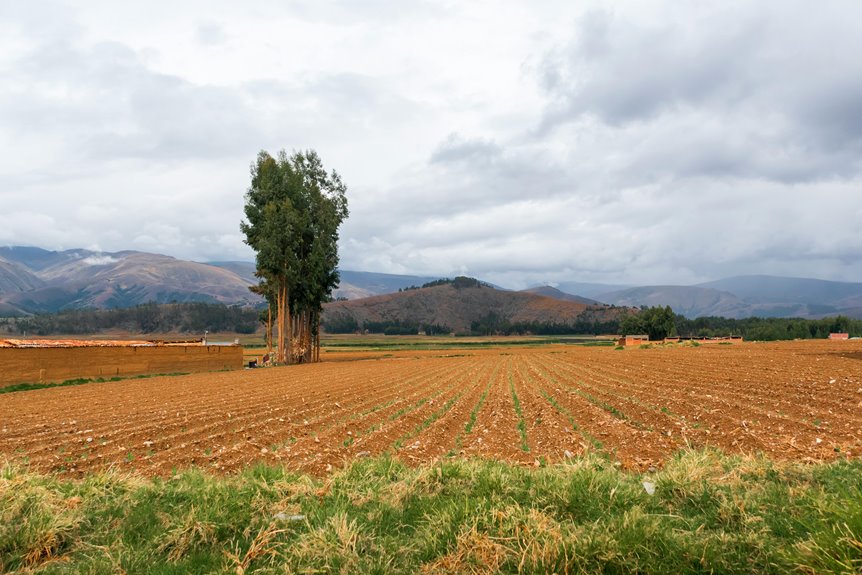
Like a well-tuned orchestra, eucalyptus farming for lyocell can create a harmonious balance within local ecosystems. It’s not just about producing fibers; it’s about how these sustainable practices can enhance biodiversity and restore degraded lands. As you explore this topic, consider the deeper implications of these practices on soil health and wildlife preservation. What other benefits might emerge from responsible eucalyptus cultivation?
Key Takeaways
- Eucalyptus farming promotes biodiversity by providing habitat for local wildlife, allowing ecosystems to thrive alongside managed plantations.
- Sustainable farming practices enrich soil health, reducing the need for chemical fertilizers and supporting a balanced ecosystem.
- Eucalyptus plantations help restore degraded lands, improving overall ecosystem health and stability in the local environment.
- The dense canopy of eucalyptus trees reduces evaporation, helping maintain moisture levels in the soil and supporting surrounding plant life.
- Lyocell production from eucalyptus is eco-friendly, as its biodegradable nature contributes to waste reduction and supports a circular economy.
Carbon Sequestration Benefits
While many people recognize the importance of trees in combating climate change, eucalyptus farming specifically offers significant carbon sequestration benefits.
These trees grow quickly, absorbing substantial amounts of carbon dioxide from the atmosphere. When you engage in eucalyptus farming, you’re actively contributing to a reduction in greenhouse gases.
The biomass produced can sequester more carbon compared to slower-growing species, making it an efficient option for carbon capture. Additionally, eucalyptus plantations can help restore degraded lands, improving overall ecosystem health.
Water Conservation Advantages
Eucalyptus farming not only contributes to carbon sequestration but also offers significant water conservation advantages.
You might be surprised to learn how these trees enhance local water management. Eucalyptus can thrive in drought-prone areas, helping to stabilize water levels and reduce soil erosion. They’re known for their deep root systems, which draw moisture from deeper soil layers, preventing surface runoff.
- Improved groundwater recharge: Eucalyptus roots help maintain water levels in aquifers.
- Reduced evaporation rates: The dense canopy minimizes water loss, keeping the soil moist.
- Soil moisture retention: The leaf litter from eucalyptus trees adds organic matter to the soil, enhancing its ability to retain water.
These benefits create a more resilient ecosystem, supporting both agriculture and wildlife.
Energy and Production Impacts
As you explore the energy and production impacts of eucalyptus farming, you’ll find that these trees play an essential role in sustainable practices. They grow quickly, allowing for rapid biomass production, which can lead to more efficient use of land compared to slower-growing species.
This rapid growth means less energy is required for cultivation and harvesting. Additionally, eucalyptus’s natural resistance to pests reduces the need for chemical pesticides, further decreasing energy consumption in production processes.
Eucalyptus farming requires less energy due to rapid growth and natural pest resistance, enhancing sustainable production practices.
Lyocell production from eucalyptus also utilizes a closed-loop system, minimizing waste and energy loss. By leveraging these benefits, eucalyptus farming can contribute to lower overall carbon footprints while supporting the renewable materials industry.
Ultimately, this approach helps balance ecological integrity and economic viability.
Sustainable Raw Material Sourcing
The efficient energy and production practices established through eucalyptus farming naturally extend to sustainable raw material sourcing. By prioritizing eco-friendly methods, you can help guarantee that the eucalyptus harvested for lyocell production supports both the economy and the environment.
This approach fosters biodiversity and conserves resources, creating a balanced ecosystem.
- You’ll find meticulously managed eucalyptus plantations, where the trees grow in harmony with their surroundings.
- The soil is enriched through responsible farming techniques, promoting healthy growth without harmful chemicals.
- Wildlife thrives as natural habitats are preserved, allowing local fauna to flourish alongside cultivation.
Biodegradability and Waste Reduction
While considering the environmental impact of materials, you’ll find that lyocell made from eucalyptus excels regarding biodegradability and waste reduction. This fiber breaks down naturally in the environment, returning to the earth without leaving harmful residues.
Unlike synthetic fabrics, which can take hundreds of years to decompose, lyocell can fully biodegrade within a few months under the right conditions.
Moreover, the production process minimizes waste. Closed-loop systems recycle solvents used in making lyocell, reducing pollution and conserving resources.
By choosing lyocell, you’re not only supporting sustainable practices but also encouraging a circular economy. This means less landfill waste and a lighter ecological footprint.
Essentially, using lyocell aligns perfectly with efforts to promote environmental sustainability.
Frequently Asked Questions
How Does Eucalyptus Farming Affect Local Wildlife Populations?
Eucalyptus farming can disrupt local wildlife populations by altering habitats, reducing food sources, and introducing invasive species. You’ll notice shifts in biodiversity as native animals struggle to adapt to these changes in their environment.
Can Eucalyptus Plantations Impact Soil Health and Fertility?
Imagine a garden party, but with eucalyptus. These plantations can considerably affect soil health and fertility. They often deplete nutrients, reduce biodiversity, and alter pH levels, which can lead to long-term soil degradation and decreased productivity.
What Are the Potential Invasive Species Concerns With Eucalyptus?
Eucalyptus can introduce invasive species, outcompeting native plants and disrupting local ecosystems. You should be aware that these species can spread rapidly, altering habitats and affecting biodiversity, which could lead to long-term ecological consequences.
How Does Eucalyptus Farming Influence Local Air Quality?
Eucalyptus plantations can reduce air quality; studies show they may release volatile organic compounds that contribute to ozone formation. You’ll notice increased pollution levels nearby, affecting respiratory health and local weather patterns considerably.
What Community Benefits Arise From Eucalyptus Farming for Lyocell?
Eucalyptus farming for lyocell can boost local economies by creating jobs, supporting industries, and providing sustainable resources. You’ll notice improved infrastructure and community development as businesses thrive, enhancing overall quality of life for residents.